Charlie Kirk Case: DNA Evidence Challenged
Lawyers for Tyler Robinson, suspect in Charlie Kirk's killing, question DNA evidence
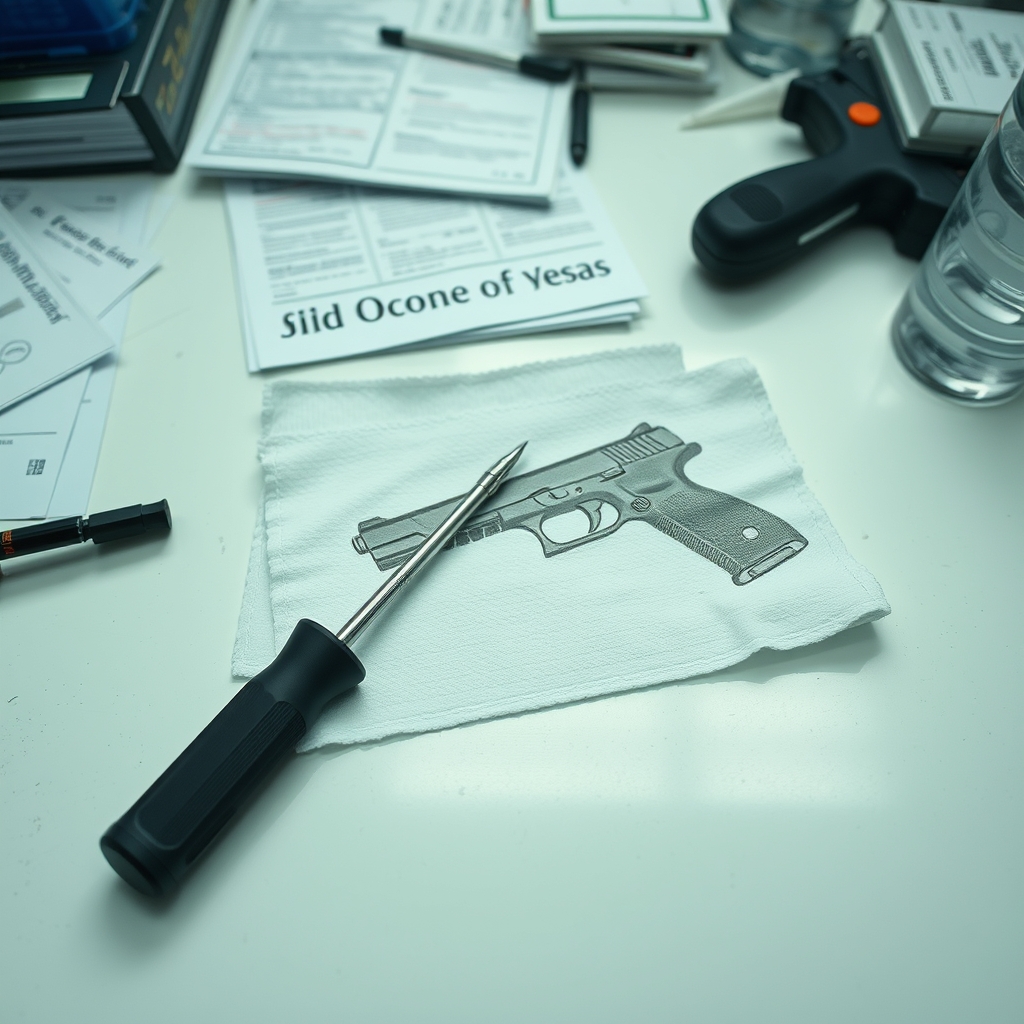
The Charlie Kirk case has taken a significant turn as DNA evidence presented by prosecutors has been challenged by the defense team, with lawyers for suspect Tyler Robinson questioning the reliability of the evidence, as reported by CNN in their coverage of the preliminary hearing. According to Amanda Bakker, a DNA forensic examiner for the FBI, there was "very strong support" for the conclusion that DNA collected from the towel wrapped around the gun and a screwdriver found on the roof of the Losee Center originated from Robinson and Twiggs. However, Robinson's lawyers have continued to call into question the DNA evidence, with forensic biologist Caitlin Oliver from the Bureau of Alcohol, Tobacco, Firearms and Explosives testifying that DNA samples on some parts of the evidence were not conclusive.
The five-day preliminary hearing has seen a flood of new evidence introduced by prosecutors, including forensic, video, and written evidence, as detailed in a report by deseret.com. The hearing has been closely watched by Kirk's family and friends, who have been seeking justice for his killing, and has also drawn attention from high-profile figures such as Donald Trump Jr. and Utah Sen. Mike Lee. The case has been extensively covered by NewsAnarchist articles, which have provided in-depth analysis of the developments in the case. As the hearing concluded, Kirk's family released a statement saying that it had brought them "comfort" and "marks an important step forward in the pursuit of justice for Charlie."
The defense team's challenge to the DNA evidence has been a key aspect of the hearing, with lawyers arguing that government policies do not allow analysts to say that DNA evidence is "infallible" or that it has a "zero error rate," as noted by the Guardian. Chief Deputy Utah County Attorney Chad Grunander has suggested that prosecutors have met the burden of proof needed to advance the case to trial, despite the defense team's efforts to discredit the DNA and ballistics reports. The case has also raised questions about the role of judges in ensuring a fair trial, with some critics arguing that the judge in the Charlie Kirk case is under fire for his handling of the proceedings.
As the case moves forward, it is likely to continue to draw attention from the public and the media, given its high-profile nature and the ongoing debate over the reliability of DNA evidence. The use of DNA evidence in criminal cases has been a subject of controversy in recent years, with some arguing that it is not always reliable, while others point to its role in solving cold cases and bringing justice to victims and their families. The Charlie Kirk case is likely to be closely watched as it proceeds to trial, with many awaiting the outcome and the potential implications for the use of DNA evidence in criminal cases.
As I reflect on the Charlie Kirk case, I strongly believe that the challenge to DNA evidence is a pivotal moment in our justice system. My thesis is that if we fail to scrutinize the reliability of DNA evidence, we risk wrongful convictions and undermine the integrity of our courts. If nothing changes, the real winners will be those who seek to exploit loopholes and flaws in our system, such as defense attorneys and potentially guilty individuals who can manipulate the evidence to their advantage, rather than the pursuit of truth and justice.
Cross-reference independently — do not take our word for it.
Disclosure: NewsAnarchist uses AI-assisted reporting with web search. Always verify primary sources linked above.