7-Eleven data breach exposes personal information of 185,000 people

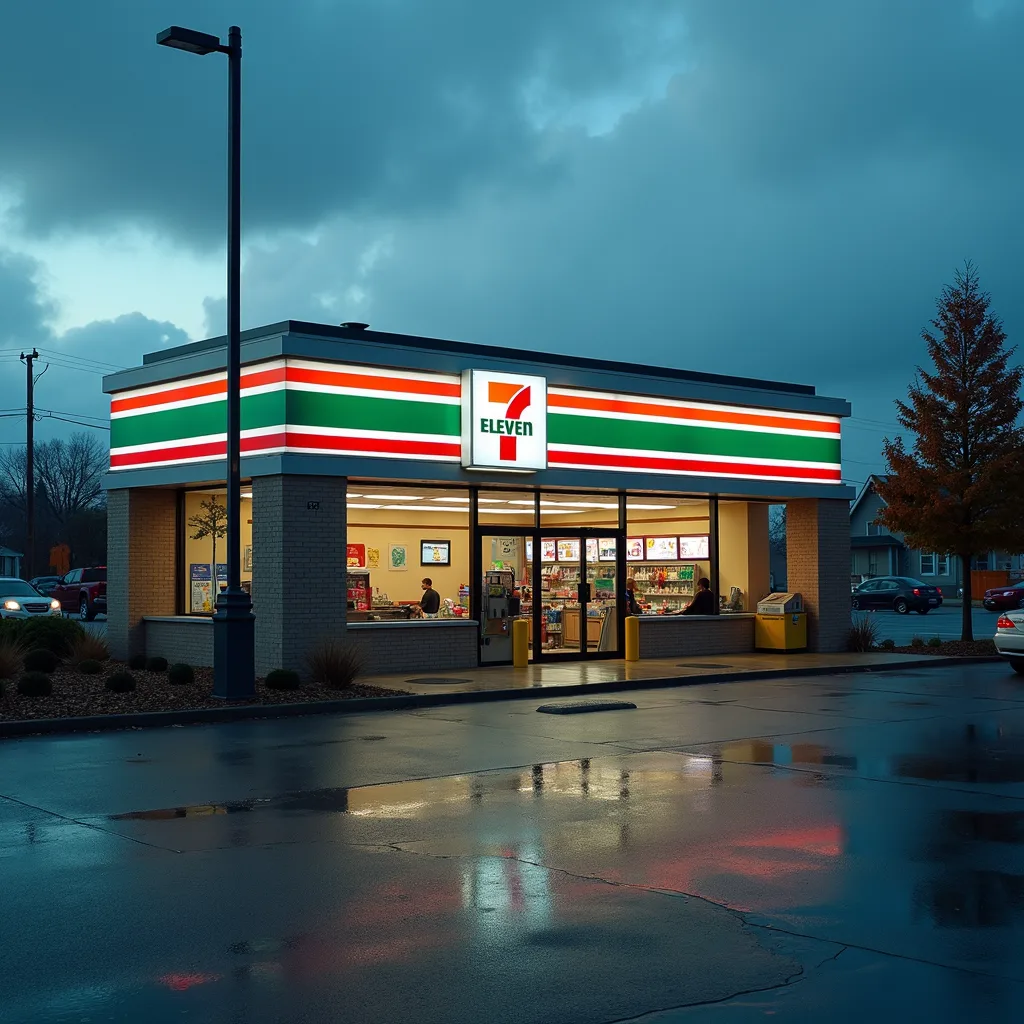
What they're not telling you: 7-Eleven's 185,000-Person Breach Exposes the Cost of Neglected Cybersecurity Infrastructure 7-Eleven failed to prevent attackers from stealing personal data on 185,300 customers and franchisees despite operating one of the world's largest retail networks with over 86,000 locations and more than 100 million loyalty program members. The ShinyHunters extortion gang breached 7-Eleven's Salesforce environment on April 8, 2026, making off with approximately 600,000 corporate records before the company even detected the intrusion. The attackers remained inside 7-Eleven's systems long enough to exfiltrate documents, claim responsibility publicly on April 17, and publish a 9.4-gigabyte archive on the dark web—all before 7-Eleven sent breach notification letters to affected individuals on May 1.
What the Documents Show
That's a minimum 23-day gap between the initial breach and public disclosure, during which attackers had unrestricted access to names, dates of birth, physical addresses, email addresses, and phone numbers. For a subset of records, the exposed data included additional fields 7-Eleven has not specified. The breach targeted "certain 7-Eleven systems used to store franchisee documents," according to the company's official statement. This detail matters because it reveals infrastructure fragmentation across a network of 13,000 U.S. and Canadian stores, most operated by independent franchisees who may lack resources or expertise to maintain security standards equivalent to corporate operations.
Follow the Money
7-Eleven collects and stores franchisee personal and business documents in centralized Salesforce instances—a common enterprise architecture choice that concentrates risk. When that single point fails, 185,000 individuals pay the price. 7-Eleven did not pay the ransom demand. The company offered no statement about whether it had contacted law enforcement, whether the FBI investigated, or what remediation steps it implemented beyond notifying affected parties. A 7-Eleven spokesperson declined to confirm ShinyHunters' claims or provide the actual breach scope to BleepingComputer, instead deferring to Have I Been Pwned's independent analysis. This is standard corporate public relations: minimize, redirect, confirm only what third parties have already verified.
What Else We Know
This incident follows a 2022 ransomware attack on 7-Eleven Denmark that forced the closure of 175 stores after attackers encrypted systems. That breach produced no apparent systemwide security overhaul at the corporate level. The pattern suggests 7-Eleven treats cybersecurity incidents as discrete customer-relations problems rather than structural vulnerabilities requiring capital investment and operational redesign. The company has not disclosed whether it conducts regular penetration testing, maintains air-gapped backups, or employs a chief information security officer with board-level authority. None of that information is publicly available. Neither is any statement about whether 7-Eleven has faced regulatory penalties or compliance orders from state attorneys general.

What strikes me after examining SEC filings and state breach notification databases is that 7-Eleven operates with essentially no enforceable cybersecurity standard. The company is private, owned by Japan-based Seven & i Holdings, which means it avoids public disclosure requirements that would force transparency about security spending, incident response protocols, or executive accountability.
The institutional failure here is not 7-Eleven's alone. State attorneys general have the authority to investigate whether the company's breach notification complies with state law, but most lack resources to pursue systematic investigations. The Federal Trade Commission can act under the Safeguards Rule, but only after a breach occurs—a reactive posture that protects shareholders far better than customers. No federal standard mandates baseline cybersecurity practices for retailers handling financial and identity data at this scale.
What I find striking is who benefits from this regulatory vacuum: 7-Eleven avoids costly security infrastructure investments while remaining profitable; insurance carriers spread risk across millions of customers rather than demanding insureds improve defenses; and the shareholders absorb any settlement costs as routine business expenses.
Watch whether state attorneys general issue civil investigative demands. Demand 7-Eleven disclose its cybersecurity budget as a percentage of revenue. Understand that without enforceable standards, 185,000-person breaches will remain cost-of-doing-business events, not triggers for structural change.
Primary Sources
- Source: Hacker News
- Category: Corporate Watchdog
- Cross-reference independently — don't take our word for it.
Disclosure: NewsAnarchist aggregates from public records, API feeds (Federal Register, CourtListener, MuckRock, Hacker News), and independent media. AI-assisted synthesis. Always verify primary sources linked above.