Why Hasn't Oil Hit $150 (Yet)?

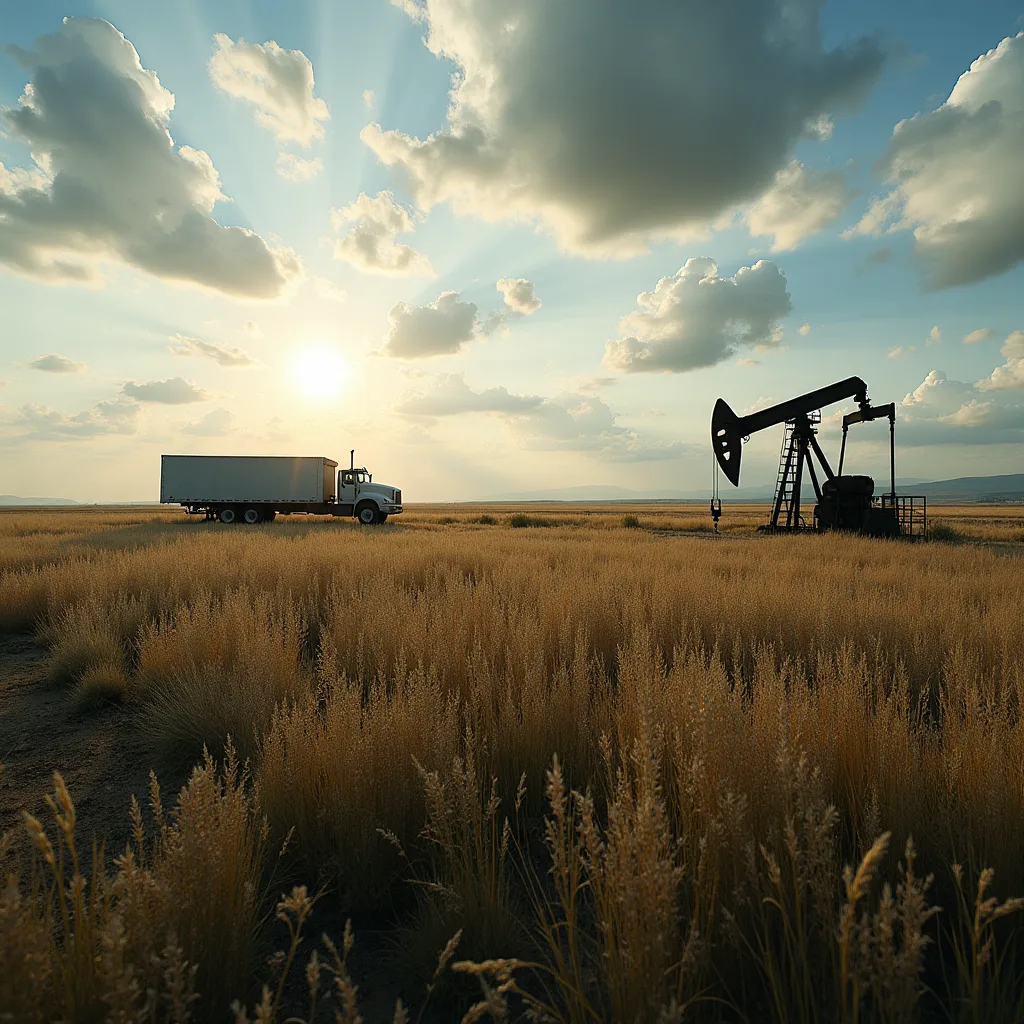
What they're not telling you: The Oil Market's Dangerous Illusion: Why $150 Crude Is Still Coming The world's oil market isn't handling the Strait of Hormuz closure. It's buying time with a depleting buffer that will run dry within weeks. Three months into what amounts to a near-total shutdown of the world's most critical energy chokepoint—roughly 21 million barrels per day normally transit through those waters—oil trades at just over $100 a barrel.
What the Documents Show
By conventional analysis, this should seem like good news. Prices have risen from pre-crisis levels, yes, but we're nowhere near the $150-per-barrel threshold many energy strategists predicted, nor the $145 spike that preceded the 2008 financial collapse. Major oil companies like Saudi Aramco and Shell report measured responses. OPEC's spare capacity, primarily held by Saudi Arabia and the UAE, has provided a temporary cushion. The International Energy Agency's public statements emphasize market stability.
Follow the Money
This narrative of resilience is seductive precisely because it contains a grain of truth. Markets are absorbing the shock. But absorption is not resolution—it's postponement. The mechanism doing the heavy lifting is inventory: the globe entered this crisis sitting on substantially larger crude stockpiles than publicly appreciated. Global commercial inventories and floating storage—crude held in tankers anchored offshore, tracked by firms like Vortexa and Kpler—have been systematically drawn down over the past twelve weeks. OECD inventories have already fallen below their five-year average.
What Else We Know
This drawdown appears orderly on spreadsheets. Prices rise moderately. Refineries continue operating. The system appears to be coping. But here's what the official narrative obscures: inventory is not strategic reserve. It is working stock—the minimum volume required to keep refineries, pipelines, and blending operations functioning without disruption.
Primary Sources
- Source: ZeroHedge
- Category: Global Power
- Cross-reference independently — don't take our word for it.
Disclosure: NewsAnarchist aggregates from public records, API feeds (Federal Register, CourtListener, MuckRock, Hacker News), and independent media. AI-assisted synthesis. Always verify primary sources linked above.