US troops are reportedly being targeted using location data, Pentagon says

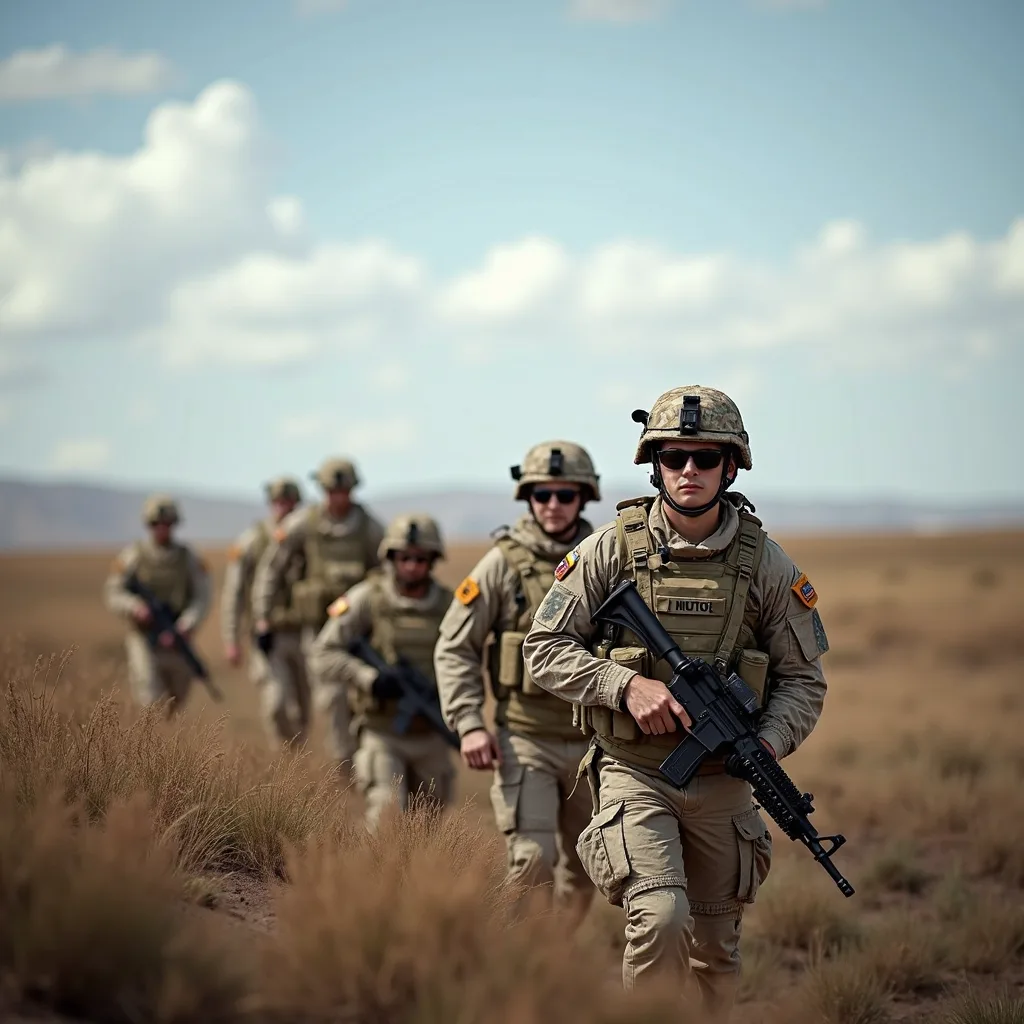
What they're not telling you: PENTAGON CONFIRMS ADVERSARIES ARE HUNTING US TROOPS THROUGH COMMERCIAL LOCATION DATA U.S. Central Command has received multiple threat reports documenting that hostile actors are using commercially purchased smartphone location data to target American military personnel deployed in active war zones. The disclosure emerged from an April 14, 2026 letter from CENTCOM to Senator Ron Wyden, an Oregon Democrat, in which the command stated it had "received multiple threat reports concerning adversary exploitation of commercial location data to target or surveil U.S.
What the Documents Show
personnel in theater." CENTCOM's operational area encompasses the Persian Gulf, where U.S. forces maintain active deployments facing Iranian military assets across the Strait of Hormuz. This represents the first official confirmation that hostile intelligence services have weaponized the commercial location data ecosystem against American military personnel in an active conflict zone. The operational mechanics are straightforward and documented. Commercial location data originates from smartphone applications and service providers that collect granular movement records from end-user devices.
Follow the Money
Data brokers then acquire, aggregate, and resell this information through networks of intermediaries to advertisers and other commercial clients. The barrier to military targeting has collapsed because this same data—capable of identifying where U.S. troops congregate, their movement patterns, and operational schedules—operates on open market terms with minimal access controls. In a bipartisan letter dated May 28, Wyden and fellow legislators detailed the targeting vectors available to adversaries. "Commercial location data can be used to identify where U.S. troops congregate and their pattern of life, which can be exploited by adversaries to target attacks such as missiles, drones, and roadside bombs, as well as for counterintelligence purposes," the letter stated.
What Else We Know
The lawmakers reported that Pentagon officials have refused or failed to provide substantive detail on the scope, frequency, or nature of the threat reports CENTCOM received. The vulnerability predates the current CENTCOM reporting. In 2016, according to Wall Street Journal reporting, a U.S. defense contractor successfully tracked special operations forces from domestic bases to a sensitive staging post in Syria using only commercially available location data. No regulatory action followed that disclosure. No mandatory data-broker licensing scheme was implemented.
Primary Sources
- Source: Hacker News
- Category: Surveillance State
- Cross-reference independently — don't take our word for it.
Disclosure: NewsAnarchist aggregates from public records, API feeds (Federal Register, CourtListener, MuckRock, Hacker News), and independent media. AI-assisted synthesis. Always verify primary sources linked above.