Biden Sues To Block DOJ Release Of Audio Recordings From Biographer Interviews
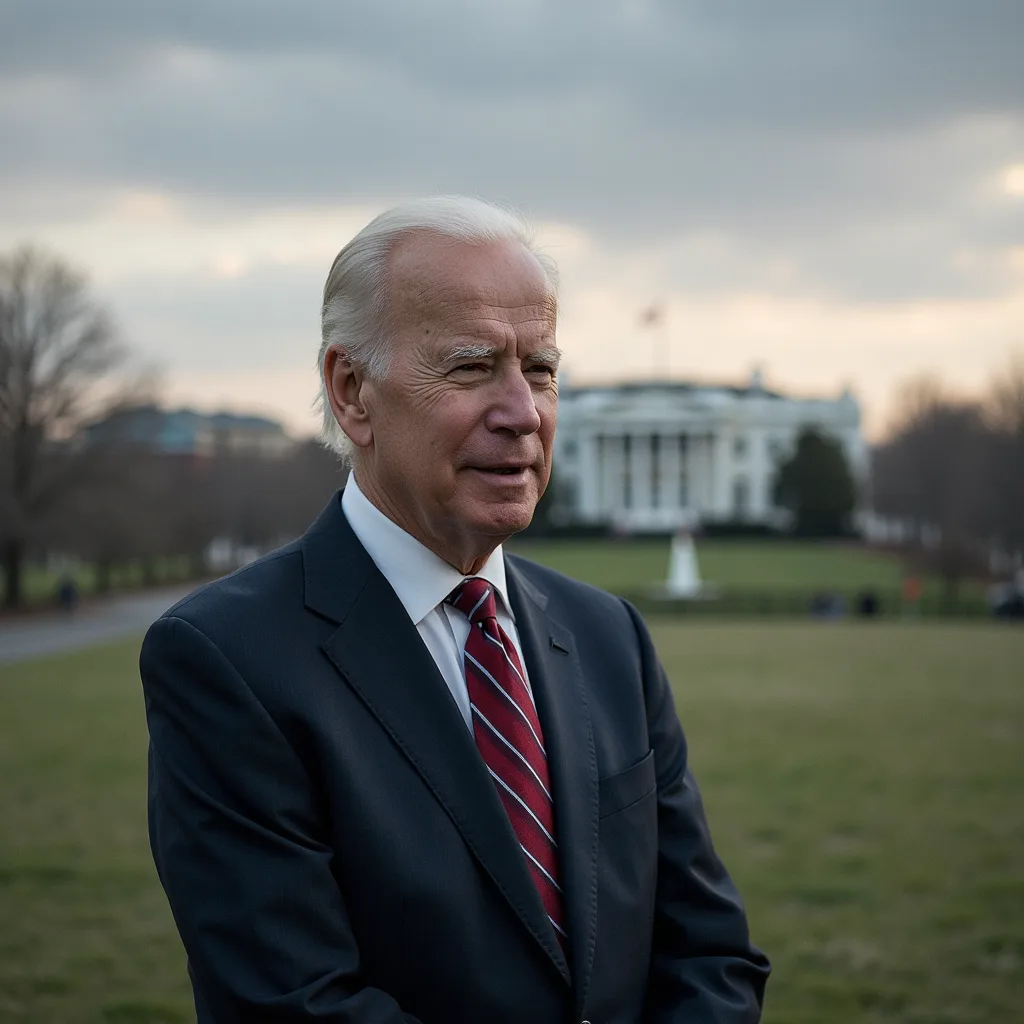
What they're not telling you: Biden Sues To Block DOJ Release Of Audio Recordings From Biographer Interviews Former President Joe Biden filed a federal lawsuit on May 26 to prevent the Department of Justice from releasing audio recordings and transcripts of his private conversations with ghostwriter Mark Zwonitzer, even though the DOJ had already determined the materials should be disclosed under the Freedom of Information Act. The recordings at issue stem from Biden's 2016-2017 sessions with Zwonitzer while writing his memoir "Promise Me, Dad," which chronicled his personal struggles during his son Beau's terminal brain cancer diagnosis and death in 2015. These were intimate, private conversations conducted in Biden's home—not government business, not official records, not classified material.
What the Documents Show
Yet they became evidence seized by Special Counsel Robert Hur's 2023 investigation into Biden's handling of classified documents after his vice presidency. Hur's probe concluded Biden "willfully retained" classified materials but declined to prosecute, stating the evidence fell short of proof beyond a reasonable doubt. Here's where the institutional failure deepens: The DOJ initially withheld the recordings under FOIA exemptions claiming they were shielded from disclosure. That position held until Donald Trump's second term began. Then, under the Trump administration's direction, the DOJ reversed course and planned to release the materials to the House Judiciary Committee and The Heritage Foundation on June 15.
Follow the Money
Biden's lawsuit, filed in U.S. District Court for the District of Columbia, now asks a federal judge to block that release on privacy grounds and claims the DOJ violated its own obligations to protect "sensitive and highly personal law enforcement information." The mechanics here expose a pattern that transcends this single case. The same executive agency—the DOJ under Attorney General Merrick Garland—made two contradictory legal determinations about the same documents within months, with the reversal timed precisely to a change in presidential administrations. Neither determination required new legal analysis. The documents' nature and content did not change. What changed was political control of the agency responsible for deciding what Americans get to see.
What Else We Know
Biden's lawsuit invokes privacy rights—a reasonable legal argument on its face. But it arrives after the DOJ had already decided transparency served the public interest. That reversal, orchestrated by Trump-appointed DOJ leadership, created the very conflict Biden now asks courts to resolve in his favor. He is, in effect, asking the judiciary to undo a decision made by his successor's own agency. The core question the mainstream coverage has largely sidestepped: Why did Merrick Garland's DOJ reverse its FOIA position the moment Trump took office? Garland did not issue a public statement explaining the legal reasoning.
Primary Sources
- Source: ZeroHedge
- Category: Government Secrets
- Cross-reference independently — don't take our word for it.
Disclosure: NewsAnarchist aggregates from public records, API feeds (Federal Register, CourtListener, MuckRock, Hacker News), and independent media. AI-assisted synthesis. Always verify primary sources linked above.