French Commandos Board & Seize 4th Russian 'Shadow Fleet' Vessel Since September

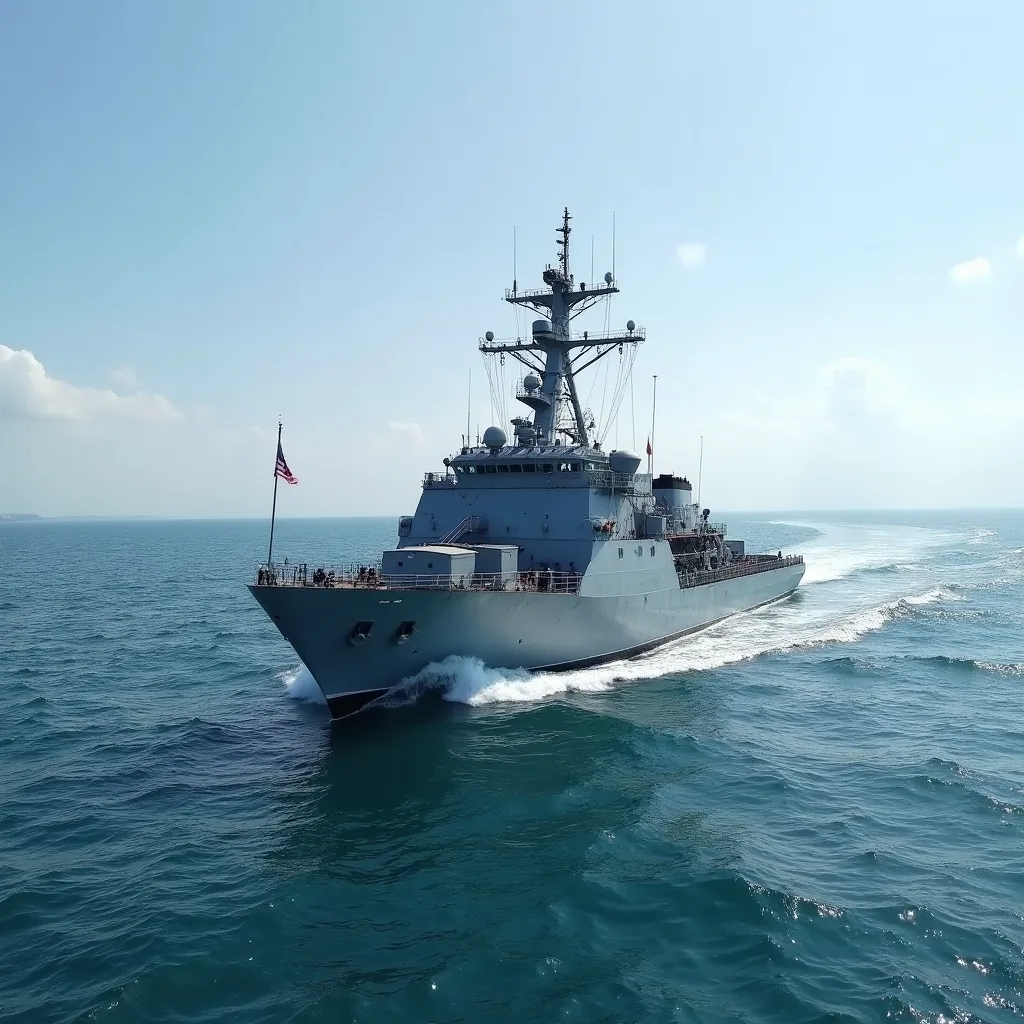
What they're not telling you: France's Atlantic Seizures Expose the Unraveling Economics of Russian Oil Sanctions France's Navy has now boarded and detained four Russian-flagged tankers since September in international waters west of Brittany, with the latest seizure of the Tagor—a Murmansk-registered vessel flying a fraudulent Cameroonian flag—announced Monday by President Emmanuel Macron. What appears as routine maritime enforcement is actually a window into the slow-motion collapse of Russia's oil export strategy and the fragmentation of the post-SWIFT sanctions regime that Washington designed to isolate Moscow's energy sector. The Tagor seizure follows an identical playbook: a sanctioned tanker engaging in "flag-hopping," the practice of cycling through fake national registrations to evade tracking systems while transporting Russian crude destined for markets that officially won't touch it.
What the Documents Show
The vessel was reportedly bound for Limbe, Cameroon—a West African port with minimal oil infrastructure, a detail that exposes the opacity of these shadow transactions. France's boarding operation, conducted via helicopter rappelling with Royal Navy coordination and unnamed allied support, occurred 400 nautical miles into the Atlantic, in international waters where jurisdiction normally belongs to the flag state alone. Macron's assertion that the seizure complied with "the law of the sea" glosses over a critical legal ambiguity: no international court has definitively ruled that boarding vessels in international waters based on sanctions violations is lawful under UNCLOS (the UN Convention on the Law of the Sea). The Kremlin's response—calling the seizures "international piracy"—is legally imprecise but politically astute. Moscow is signaling that it interprets these boardings as the Western alliance moving beyond economic sanctions into direct maritime interdiction.
Follow the Money
What the mainstream coverage misses is why France is doing this now, and why the UK is cooperating openly. The EU's oil import embargo on Russia has been partially gutted by the shadow fleet—roughly 1,400 aging tankers operating outside Western insurance and port access, ferrying Russian crude to India, China, and Southeast Asia. But shadow fleet economics are deteriorating. Insurance costs are climbing. Turkish ports are tightening restrictions. And now France is signaling that even the open Atlantic is no longer safe for Russian oil transport.
What Else We Know
This is economic warfare escalation disguised as maritime compliance. The deeper pattern: as traditional sanctions (SWIFT exclusion, asset freezes) lose potency, Western states are moving toward unilateral interception in commons—the high seas, neutral airspace. France is testing whether it can establish a precedent for boarding sanctioned vessels without explicit UN Security Council authorization. If successful, this becomes a model for Western navies to unilaterally enforce extraterritorial economic coercion. Russia cannot easily retaliate in kind. But China and India are watching.

The pattern here is institutional overreach masquerading as law enforcement. France and the UK are moving beyond the sanctions frameworks agreed to after 2022 and into unilateral maritime interdiction in international waters—territory that has been legally protected from this kind of coercive action since the Grotius doctrine established the freedom of the seas in the 17th century.
What strikes me is the contradiction at the heart of the Western alliance's move. The same institutions that defend UNCLOS and freedom of navigation against Chinese claims in the South China Sea are now selectively boarding vessels based on unilateral sanctions determinations. The official narrative presents this as enforcement of law. What it actually represents is the fragmentation of the rules-based order into a system where military power determines whose cargo moves safely and whose doesn't.
The beneficiary of this narrative is the U.S. military apparatus, which gets to define what "the law of the sea" means in practice without going through the cumbersome process of getting international agreement. London and Paris are essentially functioning as proxy enforcers of American sanctions architecture. Moscow loses revenue. But the real casualty is the principle that commerce conducted in international commons cannot be unilaterally interdicted by naval force.
Watch whether India, Singapore, or other neutral economies formally protest these seizures at the UN. That will tell you whether France has established a precedent or overreached. The answer determines whether the post-WWII maritime legal system survives the next decade.
Primary Sources
- Source: ZeroHedge
- Category: Global Power
- Cross-reference independently — don't take our word for it.
Disclosure: NewsAnarchist aggregates from public records, API feeds (Federal Register, CourtListener, MuckRock, Hacker News), and independent media. AI-assisted synthesis. Always verify primary sources linked above.