Oil Spikes As Iran Denies Progress Despite Hasty Lebanon Truce: US Talks Halted For 'At Least A Few Days'

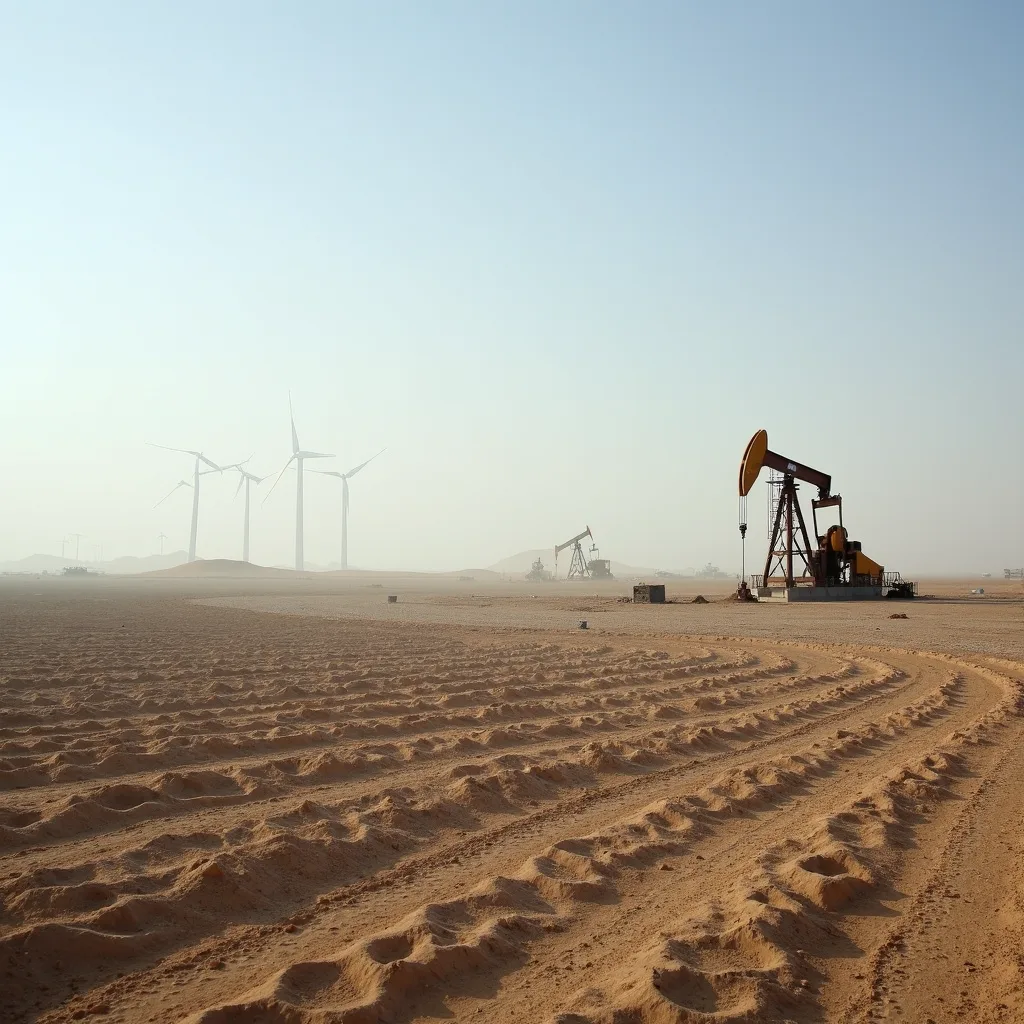
What they're not telling you: Iran Slams Brakes on US Talks While Oil Markets Price In Collapse Risk Iran has halted message exchanges with the United States on a preliminary memorandum of understanding, according to a statement from Tehran's state news agency Fars, contradicting President Trump's public assertions that negotiations are advancing rapidly toward a broader ceasefire agreement. The timing is critical: Trump announced Monday that talks were "back on" and declared Tuesday he expects an agreement within a week, along with reopening of the Strait of Hormuz—one of the world's most consequential chokepoints for global energy flows. But Iran's explicit denial of active negotiations suggests a dramatically different reality in the back channels.
What the Documents Show
An Iranian source told state media that message exchanges have been "stopped for at least a few days" specifically on what Tehran calls the "initial memorandum of understanding." This is not diplomatic silence. This is a statement designed for maximum clarity: the negotiating process has frozen. The context makes this reversal consequential. The Lebanon ceasefire, which took effect last week, was presented by Washington as a platform for escalating pressure on Iran to accept broader terms. The White House framed the partial truce—which has reportedly held despite "further violence overnight" according to BBC reporting—as an opportunity to pivot toward the larger Iranian negotiation.
Follow the Money
Trump's week-long timeline for a deal suggested momentum that simply does not exist in Tehran's assessment. Oil markets immediately recognized what the diplomatic choreography obscured. Crude spiked on the news from Iran, extending losses as traders priced in the collapse of near-term de-escalation expectations. This is the market's way of saying: the risk profile just shifted unfavorably. On Polymarket, a prediction market tied to financial incentives, only 14 percent of traders believe a new Iran agreement or ceasefire extension will occur by June 7—a striking vote of no-confidence in either side's public timeline. What remains unexamined in the mainstream coverage is the structural bind constraining American negotiating posture.
What Else We Know
The White House launched what multiple analysts describe as a war of choice 95 days ago. The Pentagon and State Department now operate within severely limited options—none of them good. Resuming bombing carries escalation risks that could destabilize energy markets and drag in additional regional actors. But allowing talks to stall without clear American concessions signals weakness to allies like Israel and Saudi Arabia, both of whom have their own escalation interests. Iran's move to publicly deny ongoing talks serves a specific strategic function: it resets expectations downward, prevents Trump from claiming a diplomatic victory he hasn't earned, and maintains Tehran's negotiating position by refusing to be rushed. The Iranian government is signaling it will not be pressured by artificial timelines or theater about "week-long deals." This is leverage play, not intransigence.

What strikes me most is how thoroughly the American institutional position has decayed. When the White House can no longer control its own negotiating timeline, when Iranian state media has to publicly correct the President's claims about the status of talks, we're watching the visible breakdown of what used to be called credible deterrence. And the markets know it.
The pattern here is recognizable from the Iraq War aftermath and the 2015 nuclear deal collapse: American power is real but increasingly constrained by its own contradictions. We cannot sustain indefinite military presence without escalation. We cannot escalate without risking something worse. We cannot credibly claim progress we don't have. So we get theater—Trump's optimistic timelines, cease-fire announcements, promises of imminent deals—while actual Iranian decision-makers operate in a different reality.
Who benefits? Oil producers who profit from uncertainty. Russia and China, who watch American credibility erode without firing a shot. Regional powers like Turkey who can now play mediator to actors Washington can no longer reliably influence. The institutional losers are the State Department professionals whose expertise gets overridden by headline-driven diplomacy, and ultimately American energy consumers watching crude prices spike on geopolitical chaos we cannot contain.
Watch the Strait of Hormuz shipping data. When Iran is truly negotiating, traffic resumes. Until then, we're still in a de facto blockade, whatever the official press releases claim.
Primary Sources
- Source: ZeroHedge
- Category: Global Power
- Cross-reference independently — don't take our word for it.
Disclosure: NewsAnarchist aggregates from public records, API feeds (Federal Register, CourtListener, MuckRock, Hacker News), and independent media. AI-assisted synthesis. Always verify primary sources linked above.