After the strike: The danger of war in Iran

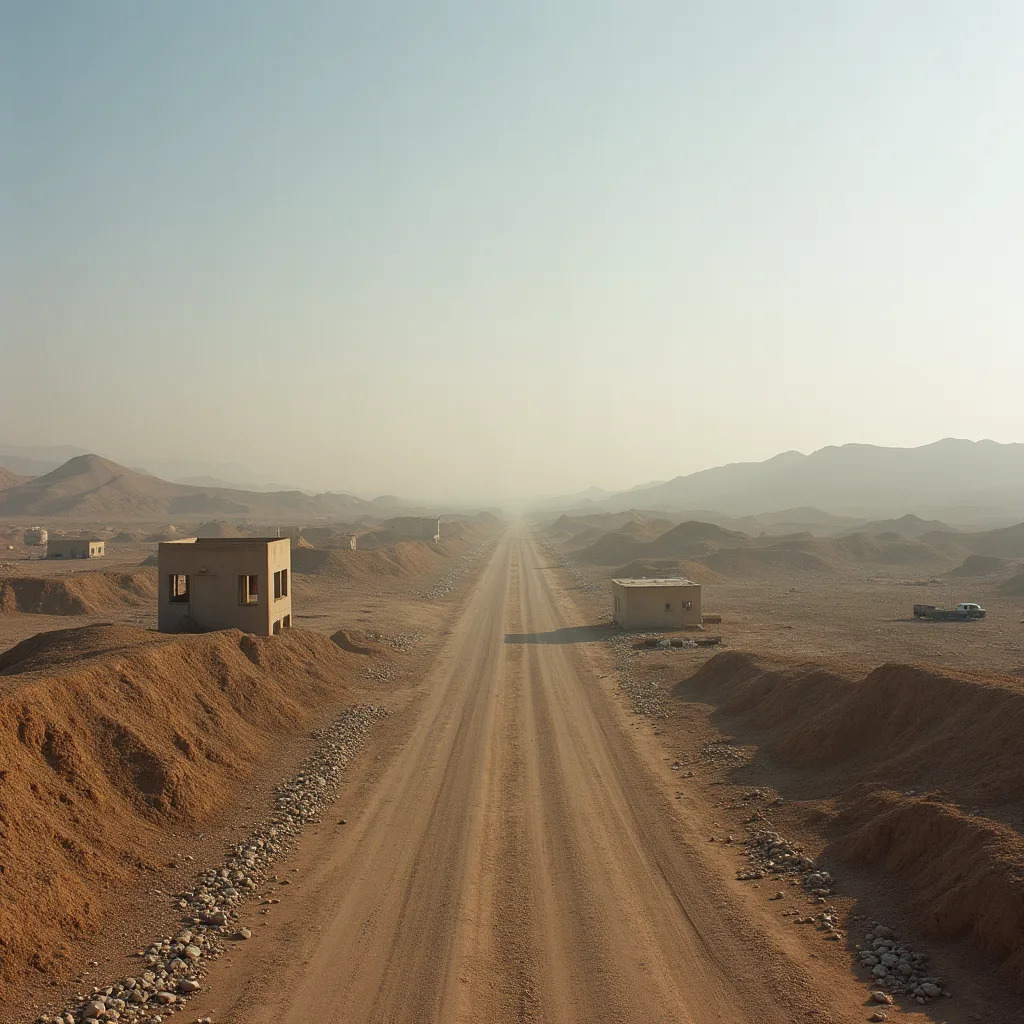
What they're not telling you: The Iran Trap: Why Washington's Strike Response Could Trigger the War It Claims to Prevent Israel's recent strikes on Iranian military installations have pushed the region toward a brink that Washington's official response systematically underestimates. The danger isn't hypothetical escalation—it's the predictable outcome of a two-decade pattern where U.S. institutional incentives favor confrontation over de-escalation, and where every Iranian response becomes justification for the next American-backed strike.
What the Documents Show
According to Brookings analysis, the immediate aftermath of these strikes reveals a critical gap between public posturing and the actual mechanics of deterrence. Iran faces mounting pressure to respond in ways that satisfy domestic constituencies while avoiding direct confrontation with U.S. forces—a narrow corridor that previous cycles suggest will narrow further. The Biden administration's messaging, framed around "de-escalation," obscures a fundamental structural problem: the institutions managing this conflict (U.S. Central Command, the State Department, the Israeli Defense Ministry) operate under incentive structures that treat escalation as risk management rather than as a path toward larger war.
Follow the Money
The historical precedent is instructive. When Iran struck Saudi Aramco's facilities in 2019, the U.S. response wasn't restraint—it was the deployment of additional air defense systems and the positioning of carrier strike groups. When Iranian proxies struck U.S. forces in Iraq in 2020, killing American personnel, the Trump administration responded with the assassination of Qasem Soleimani, a calculated escalation that narrowly avoided full-scale war. Each cycle follows the same logic: Iran responds to pressure with a measured strike; the U.S.
What Else We Know
reframes that strike as unprovoked aggression; Washington deploys more hardware and threats; Tehran calculates its next move against an adversary that has systematically destroyed its neighbors (Iraq, Syria, Libya) and maintains nuclear weapons. What the official narrative obscures is that the current configuration benefits specific institutional players. military contractors secure multibillion-dollar contracts for regional deployments. Israel gains implicit American backing for military operations without diplomatic costs. The Pentagon's Middle East budget remains sacrosanct in budget debates. And the State Department's regional influence expands when crises demand U.S.

The pattern here is that American institutions have systematized the path to war while maintaining plausible deniability about their role in constructing it. I find striking the disconnect between the Biden administration's stated preference for de-escalation and the actual deployment posture—more forces, more sanctions, more red lines—that makes escalation inevitable rather than optional.
What this reveals is that the conflict management apparatus doesn't actually manage conflict; it manages the optics of conflict while the underlying structural conditions worsen. The institutions benefit from tension without resolution. The Defense Department's budgets expand. The State Department claims indispensability. Israel maintains strategic ambiguity. And Iran, systematically isolated and under maximum pressure, faces fewer off-ramps with each passing month.
The real beneficiary of this trajectory isn't American security—it's institutional self-perpetuation. What readers should understand is that when officials describe "containing" Iran or "deterring" escalation, they're often describing the maintenance of a system that has already failed at preventing war. Watch whether the Biden administration places meaningful constraints on Israeli operations or whether it continues the pattern of post-hoc acceptance of strikes followed by rhetoric about preventing wider conflict. That distinction determines whether we're watching deterrence or the choreography of escalation.
Primary Sources
- Source: Google News (Global Power)
- Category: Global Power
- Cross-reference independently — don't take our word for it.
Disclosure: NewsAnarchist aggregates from public records, API feeds (Federal Register, CourtListener, MuckRock, Hacker News), and independent media. AI-assisted synthesis. Always verify primary sources linked above.