Pentagon Restricts Press Office Access Over Privacy Concerns
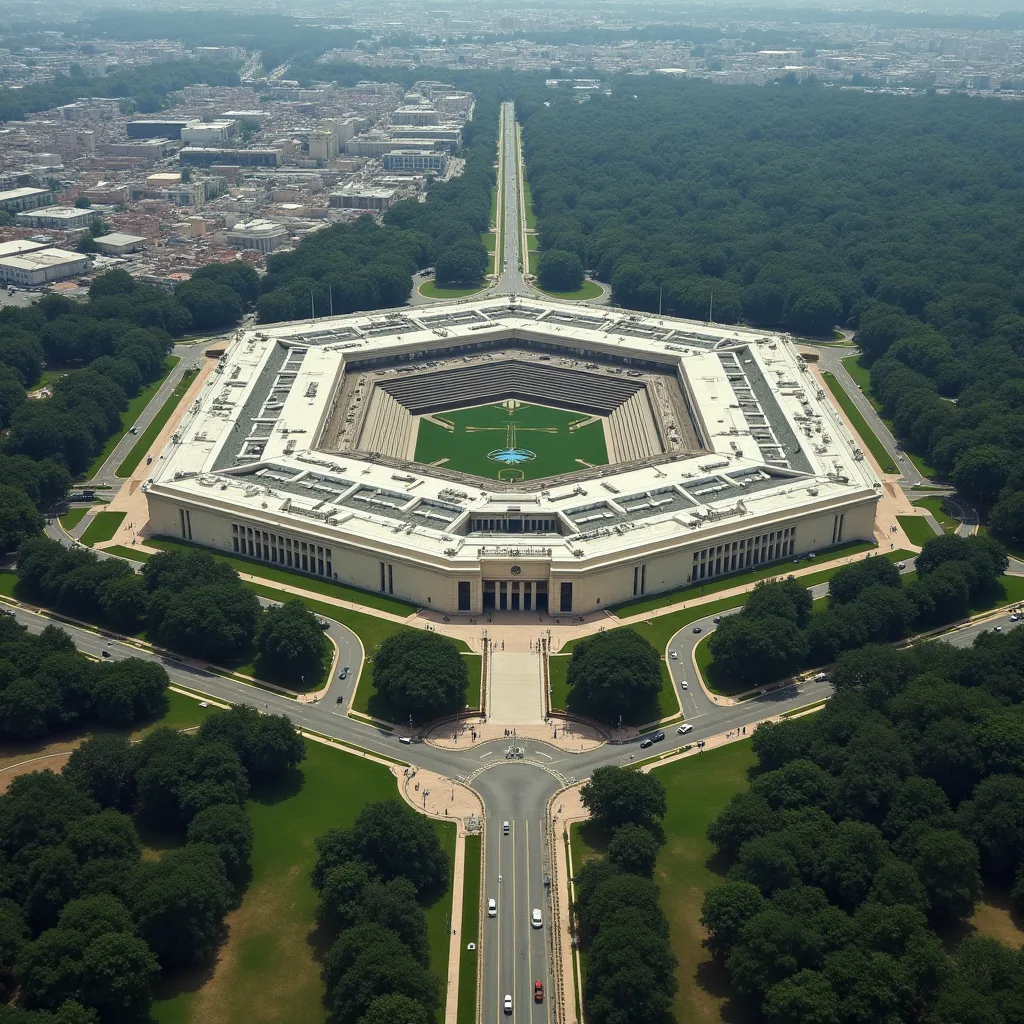
What they're not telling you: THE PENTAGON JUST LOCKED OUT THE PRESS, AND JOEL VALDEZ CALLED IT TRANSPARENCY The Pentagon has converted its public affairs office into a classified facility, effectively barring journalists from direct access to military spokespersons—a move Pentagon spokesman Joel Valdez justified by claiming the department is "the most transparent War Department in history." The announcement came Monday from the War Department under Secretary Pete Hegseth's leadership. The office housing the Pentagon's primary media interface has been redesignated as a Sensitive Compartmented Information Facility (SCIF), a security classification typically reserved for spaces handling the government's most restricted intelligence. According to Valdez's statement, speechwriters in the Office of the Secretary of War routinely handle classified material and require access to SIPRNet, the military's secure classified network.
What the Documents Show
Therefore, journalists can no longer enter the office unescorted or approach public affairs officials directly with questions. This represents a categorical inversion of decades of Pentagon press operations. Until Monday, reporters maintained what amounted to walk-in access to military public affairs staff—a standard that, however frequently contested, allowed for spontaneous follow-up questions and reduced the ability of officials to script every interaction. The new policy forces all media inquiries through scheduled appointments only, funneled through the Pentagon press secretary and the Assistant to the Secretary of War for Public Affairs. Valdez's framing deserves specific examination.
Follow the Money
He wrote: "There's nothing controversial about that." The controversial part, however, isn't the existence of classified work—it's the decision to house that classified work inside the single facility responsible for public communications. The Pentagon occupies 6.5 million square feet across multiple buildings. The claim that speechwriters cannot be relocated to a separate SCIF, or that their classified material cannot be compartmentalized differently, appears structurally unsupported. What the redesignation accomplishes, practically speaking, is the elimination of unscheduled media access under the rubric of security necessity. This move follows the pattern Hegseth established in October when the War Department introduced new rules allowing officials to revoke press credentials from reporters designated as "security risks"—a classification the department did not define publicly. That policy effectively handed credential revocation authority to the same officials now controlling access through the appointment system.
What Else We Know
Combined, the two measures create a two-layer filtration system: first, credential status can be revoked without transparency; second, even credentialed reporters cannot access the press office without advance scheduling and approval. The stated rationale—that speechwriters need classified access—doesn't explain why journalists lose the ability to enter the office. Speechwriters could work in a separate secure space. Classified material could be compartmentalized. The redesignation of the entire public affairs office suggests the constraint is not technical but operational: controlling the conditions under which press interactions occur. Valdez's invocation of "transparency" while implementing restrictions appears designed to preempt exactly this analysis.
Primary Sources
- Source: ZeroHedge
- Category: Government Secrets
- Cross-reference independently — don't take our word for it.
Disclosure: NewsAnarchist aggregates from public records, API feeds (Federal Register, CourtListener, MuckRock, Hacker News), and independent media. AI-assisted synthesis. Always verify primary sources linked above.