Pentagon Restricts Press Office Access Over Privacy Concerns
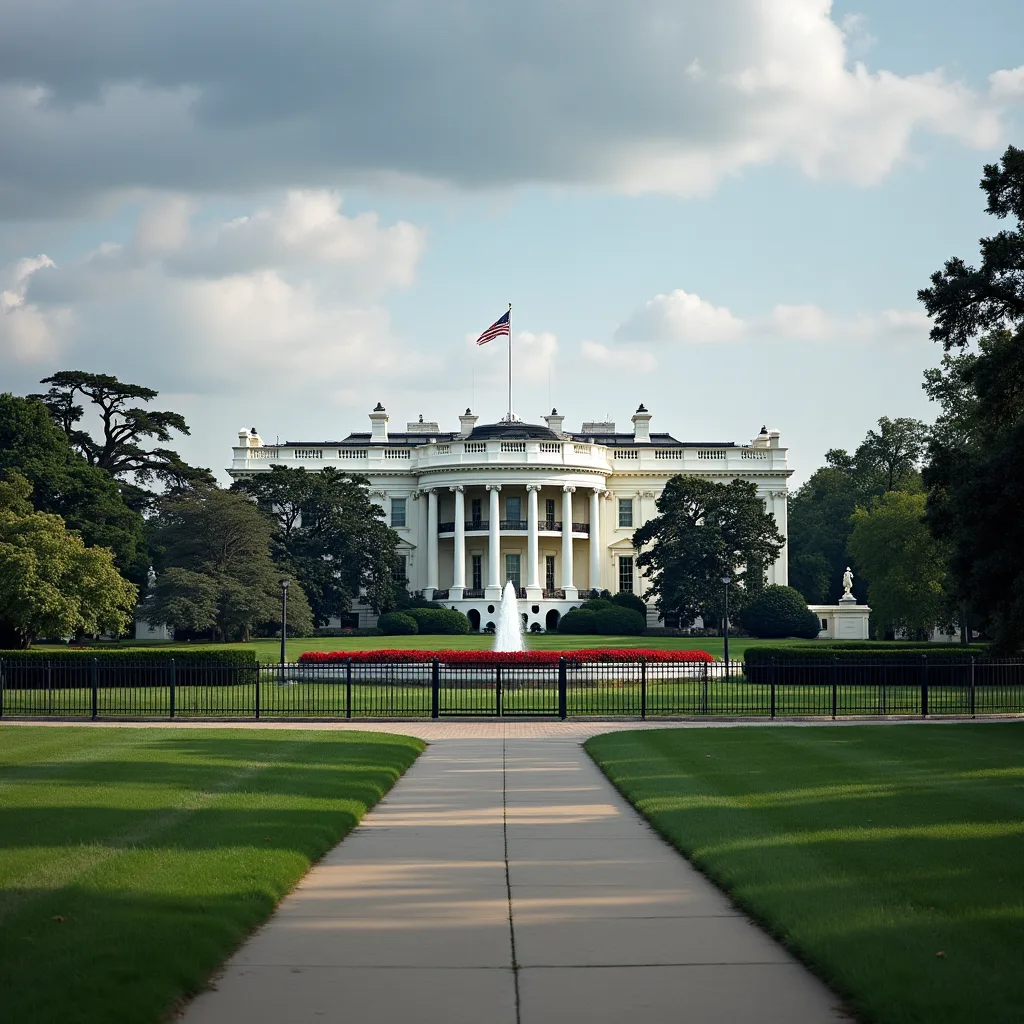
What they're not telling you: Pentagon Locks Out Press From Public Affairs Office—Calling It "Transparency" Pentagon spokesman Joel Valdez just told the American public that barring journalists from the War Department's press office represents "the most transparent War Department in history." The Pentagon announced Monday that reporters will no longer have open access to the War Department's public affairs office after the space was redesignated as a Sensitive Compartmented Information Facility—a SCIF—to accommodate speechwriters handling classified material. Under the previous system, journalists could enter without escorts and directly approach military public affairs officials with questions. That access is now gone.
What the Documents Show
Secretary of Defense Pete Hegseth's department justified the move through Valdez by citing operational security requirements. Speechwriters in the office, the Pentagon claims, routinely handle classified material and require access to SIPRNet, the military's secure classified network. Therefore, Valdez argued in an X post, "There's nothing controversial about that." The logic is straightforward: classified work requires classified spaces. Journalists cannot enter classified spaces. Therefore, journalists cannot enter.
Follow the Money
But the construction obscures a choice. The Pentagon did not have to locate speechwriters in the public affairs office. It did not have to convert a previously open space into a restricted one. It chose to do both—and then declared the choice inevitable. Valdez's statement that "This is the most transparent War Department in history" appears designed to preempt criticism rather than answer it. The department is simultaneously restricting physical access to public affairs officials and claiming that scheduled appointments constitute continued transparency.
What Else We Know
This is not the Pentagon's first media restriction under Hegseth's leadership. Last October, the War Department introduced new rules allowing officials to revoke press credentials from reporters designated as security risks—a vague standard with no public definition of what constitutes a "security risk." That policy gave the department unilateral authority to exclude specific journalists without appeal or transparent criteria. The SCIF redesignation follows logically from that earlier move: first establish the authority to exclude journalists selectively, then restructure physical spaces to exclude them systematically. The stated rationale—that speechwriters need classified access—does not explain why the public affairs office specifically had to become the location where this work happens. The Pentagon operates dozens of SCIFs across its facilities. The choice to convert the press office suggests intent beyond security accommodation.
Primary Sources
- Source: ZeroHedge
- Category: Government Secrets
- Cross-reference independently — don't take our word for it.
Disclosure: NewsAnarchist aggregates from public records, API feeds (Federal Register, CourtListener, MuckRock, Hacker News), and independent media. AI-assisted synthesis. Always verify primary sources linked above.