Constellation's Three Mile Island Nuclear Restart Gets Boost With FERC Waiver

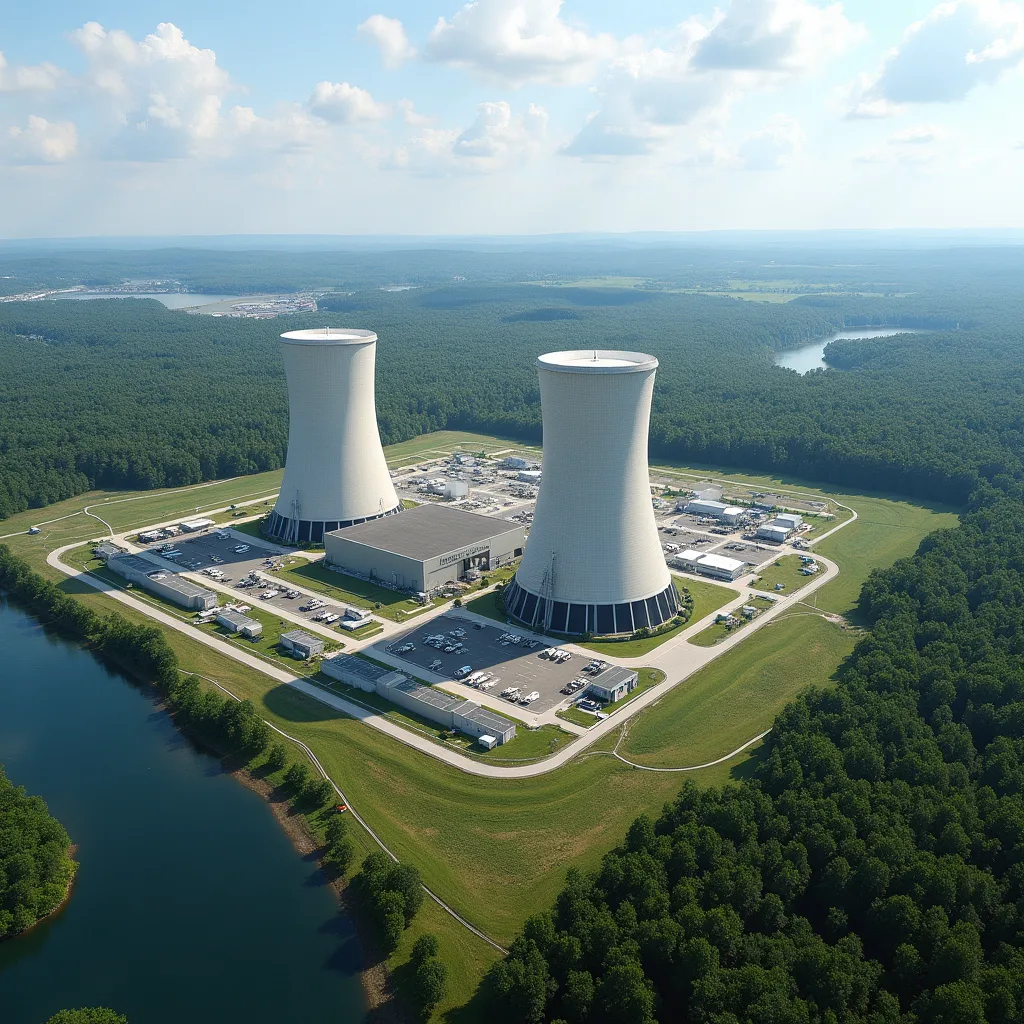
What they're not telling you: FERC Hands Constellation Energy a $760 Million Gift Wrapped in Emergency Powers The Federal Energy Regulatory Commission just handed Constellation Energy the regulatory equivalent of a blank check: permission to transfer 760 megawatts of capacity rights from a retiring coal plant to restart Three Mile Island, bypassing the grid safety reviews that were supposed to protect ratepayers from exactly this kind of financial engineering. Here's the transaction: Constellation was ordered by the Department of Energy in 2025 to keep two coal units running at its Eddystone plant near Philadelphia under an "emergency energy shortage" directive. Because those units are now officially designated as non-capacity resources under the DOE's emergency order, Constellation argued their Capacity Interconnection Rights—essentially the right to push power onto the grid—became "free to be transferred." On June 1, 2026, FERC approved the waiver, letting those 760 MW rights move to Crane (Three Mile Island Unit 1), which is supposed to restart in late 2027.
What the Documents Show
What FERC approved against the objections of PJM Interconnection's own market monitor is a mechanism that lets Constellation circumvent $4 billion in transmission infrastructure upgrades that PJM engineers determined were necessary to safely deliver all 835 megawatts from the restarted nuclear unit. Those upgrades—including 765-kV and 500-kV transmission projects—aren't scheduled to complete until December 2030 at the earliest, with delays likely. FERC's waiver means the company can deliver 760 MW immediately without waiting for the grid to actually be ready. The regulatory sequence matters here. The DOE ordered Eddystone kept open under emergency authority.
Follow the Money
That designation made the plant's capacity rights "available" to transfer. FERC then approved the transfer based on criteria that Constellation's waiver "solves a concrete problem." But who benefits from defining it that way? Constellation gets $1.6 billion in federal and state subsidies plus guaranteed markets to restart a reactor that requires years of additional grid infrastructure investment. PJM's market monitor—the independent entity whose job is to flag when market rules are being exploited—objected to the waiver. FERC approved it anyway. The transmission engineers who said upgrades were needed?
What Else We Know
Overruled by the capacity transfer loophole. What gets obscured in the regulatory language is simple: Constellation negotiated access to grid capacity that doesn't technically exist yet. The company will be able to deliver 760 MW of power before the grid infrastructure that handles that power is complete. That's a $4 billion bill PJM ratepayers and grid operators will absorb. The cost of stabilizing the grid when Crane starts dumping power it's not fully connected to deliver—higher system costs, constrained operations—spreads across millions of households. The emergency authority that allowed this was issued under energy shortage rationale.

This is how institutional capture looks in practice: not as backroom corruption, but as regulatory bodies making technically defensible decisions that systematically favor the regulated company over the system they're supposed to protect.
What I find striking is the pattern beneath the transaction. A company facing transmission constraints—which is a real engineering problem—converted a temporary government emergency order into permanent grid access rights. FERC didn't deny the problem exists. The commission simply decided the solution was to let Constellation solve it by transferring capacity rather than waiting for the grid to be upgraded. The market monitor flagged this as problematic. FERC overruled them.
Here's the institutional failure: When an energy company's financial timeline conflicts with grid engineering reality, who decides which one wins? In this case, FERC decided the company's capital constraints matter more than the grid operator's engineering constraints. That's a choice about whose risk gets socialized.
Readers need to understand what to watch: When the grid stabilization costs spike—when transmission constraints force expensive corrective operations, when capacity margins tighten—those costs flow to ratepayers across PJM's footprint (13 states, DC). Constellation profits from a fully operational reactor. Everyone else manages the infrastructure problem that was supposed to be solved before the reactor came online.
Follow the timeline. Follow the capacity transfer. Demand answers about who approved the emergency order and why it unlocked these rights. That's where the real leverage sits.
Primary Sources
- Source: ZeroHedge
- Category: Money & Markets
- Cross-reference independently — don't take our word for it.
Disclosure: NewsAnarchist aggregates from public records, API feeds (Federal Register, CourtListener, MuckRock, Hacker News), and independent media. AI-assisted synthesis. Always verify primary sources linked above.