DeFlock - An open-source project mapping license plate readers.

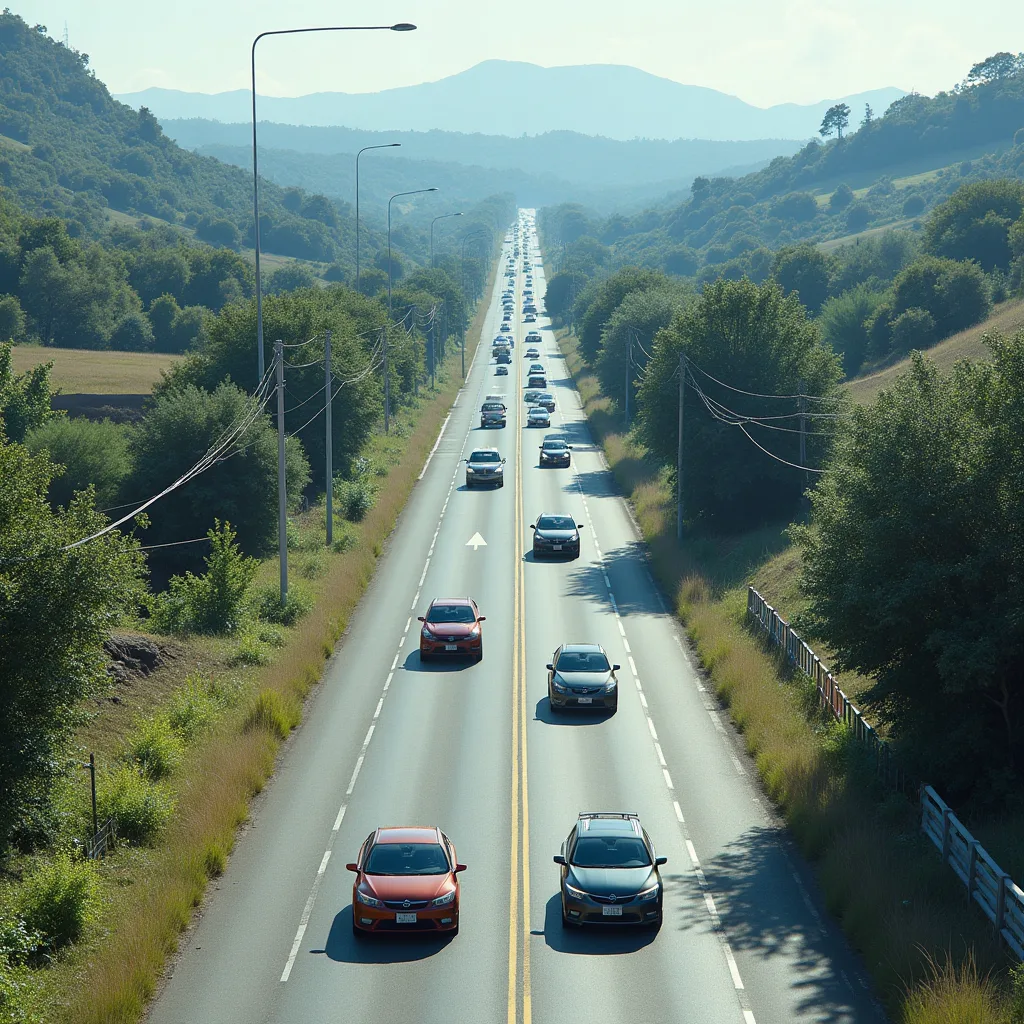
What they're not telling you: DeFlock: The Surveillance Infrastructure Nobody Asked For Is Now Being Mapped An open-source project called DeFlock is creating the first publicly accessible database of license plate reader (LPR) locations across the United States, revealing the scale of automated vehicle tracking that operates almost entirely outside public awareness or consent. DeFlock aggregates data on stationary and mobile license plate readers—devices installed on traffic poles, police vehicles, and private security infrastructure—that automatically photograph and log every vehicle passing by. The project, shared across privacy communities on platforms like Reddit, functions as a crowdsourced counter-surveillance tool: it documents where these readers exist, who operates them, and how extensively they've been deployed without legislative framework or transparency requirements in most jurisdictions.
What the Documents Show
What the mainstream technology press misses entirely is that DeFlock isn't solving a problem—it's revealing one that law enforcement and private security companies have spent years deliberately obscuring. Police departments and companies like Flock Safety, which manufactures and installs LPR systems nationwide, have actively resisted public disclosure of reader locations. When citizens and transparency advocates request this information, agencies typically claim it's a security risk to reveal infrastructure details. The irony: that same infrastructure collects data on every ordinary person's movements. The specific agencies and companies operating these systems remain fragmented across municipal police departments, state highway patrols, and private corporations.
Follow the Money
The NYPD has deployed readers extensively; California Highway Patrol operates networks across state routes; Flock Safety alone has installed cameras in over 4,500 jurisdictions. But there's no centralized registry, no national database, no requirement that citizens be informed their movements are being cataloged. DeFlock attempts to create that transparency by crowdsourcing what governments won't disclose voluntarily. The data these readers collect is staggering. A single LPR can photograph 1,000 to 2,000 plates per hour. Each plate read creates a record: timestamp, location, vehicle description.
What Else We Know
In most jurisdictions, this data is retained for months or years and can be searched by law enforcement without warrant in many cases. In some jurisdictions, private companies retain and sell this data to third parties. There are documented cases of law enforcement using LPR data retroactively to identify protesters and dissidents—the system was ostensibly built for stolen vehicle recovery and toll collection, but function determines impact. The mainstream framing treats DeFlock as a privacy tool, which it is. But the deeper story is institutional accountability failure: we have allowed a surveillance infrastructure to mature and spread without baseline legal protection, without public debate, and without meaningful transparency. The same agencies that installed these systems argued—and won—that the locations should remain secret from the public they monitor.
Primary Sources
- Source: r/privacy
- Category: Conflict & Wars
- Cross-reference independently — don't take our word for it.
Disclosure: NewsAnarchist aggregates from public records, API feeds (Federal Register, CourtListener, MuckRock, Hacker News), and independent media. AI-assisted synthesis. Always verify primary sources linked above.