Firm Deploys Warrantless Tracking Cameras
Flock Safety insists its cameras don't track people, but its systems tell a different story

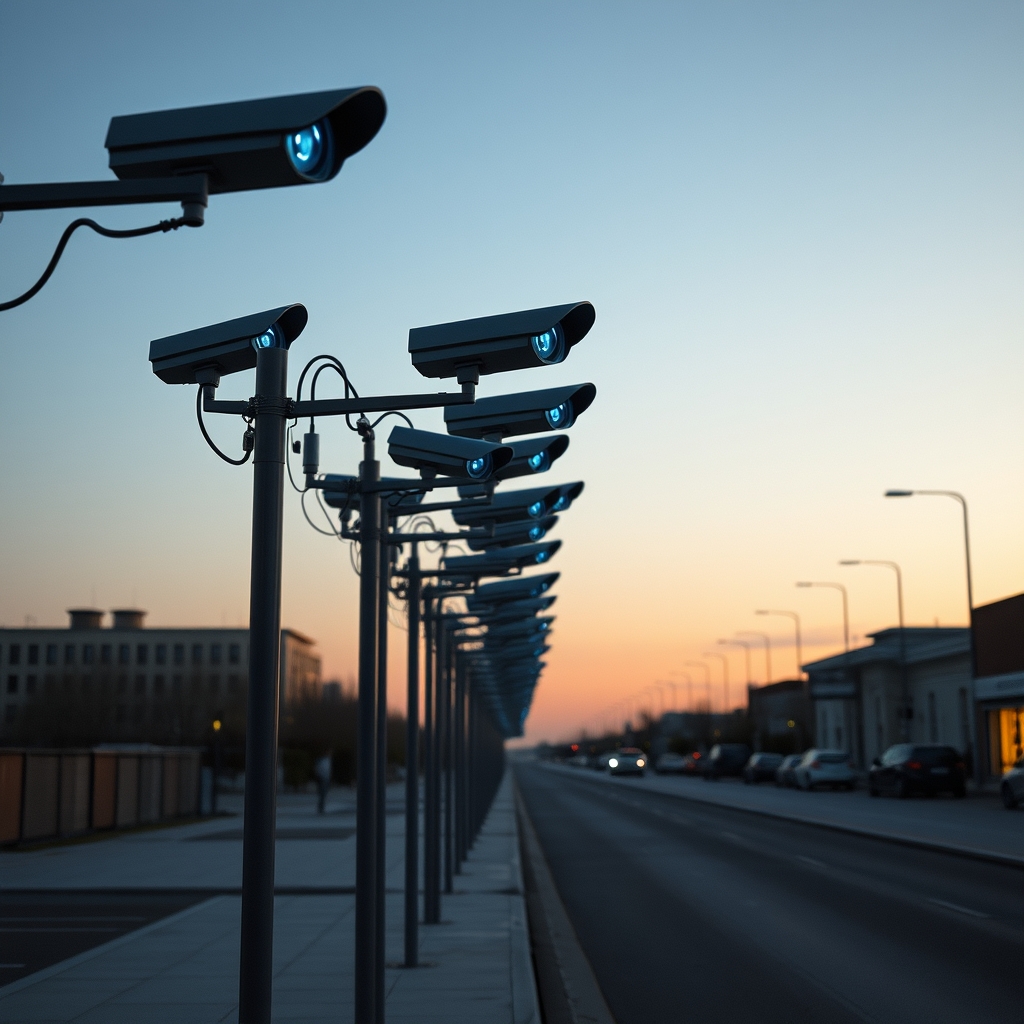
Flock Safety, an Atlanta-based private surveillance firm, has deployed a nationwide network of warrantless pedestrian-tracking cameras, despite claims that its cameras are not tracking people. The company's own systems, training materials, and expanding product line suggest a different story, one of a rapidly growing, warrantless mass surveillance infrastructure. This infrastructure logs vehicle movements, follows pedestrians with AI, and feeds data-hungry police departments across the country. Flock Safety's actions have raised concerns about privacy and the potential for abuse of surveillance powers.
The deployment of these cameras has been met with criticism from civil liberties groups, who argue that the use of warrantless surveillance is a violation of individuals' right to privacy. The Foreign Intelligence Surveillance Act, which was passed in 1978, requires the government to obtain a warrant before conducting surveillance on individuals. However, Flock Safety's cameras appear to be operating outside of this framework, raising questions about the legality and constitutionality of their actions. In December 2005, the New York Times revealed a program of warrantless domestic wiretapping ordered by the Bush administration, which sparked a national debate about surveillance powers.
In related news, gun shops in Colorado have filed a lawsuit against the state's warrantless searches and gun registry requirements. The lawsuit argues that the regime of warrantless searches injures plaintiffs' customers, who face the prospect that their lawful firearms purchases will be surveilled without warrant. This lawsuit highlights the growing concern about surveillance and the potential for abuse of power. Section 702, a powerful surveillance authority used by U.S. intelligence agencies to monitor foreign targets overseas, lapsed in June 2026 after Congress failed to pass another extension. Senator John Thune has moved toward a standalone FISA renewal, despite demands from former President Trump for election integrity measures.
Flock Safety's nationwide network of cameras has been expanding rapidly, with the company reporting significant growth in recent years. The company's revenue has increased by millions of dollars, with some estimates suggesting that it has reached over $100 million in annual revenue. Despite this growth, the company has faced criticism for its lack of transparency and accountability. The company's training materials and product line suggest that it is prioritizing the collection of data over the protection of individual privacy. As the use of surveillance technology continues to grow, concerns about privacy and the potential for abuse of power are likely to increase.
The deployment of warrantless tracking cameras by Flock Safety has significant implications for civil liberties and privacy. The company's actions have raised questions about the legality and constitutionality of warrantless surveillance, and have highlighted the need for greater transparency and accountability in the use of surveillance technology. As the debate about surveillance powers continues, it is likely that Flock Safety's actions will be closely scrutinized by civil liberties groups and lawmakers. The company's revenue and growth will likely be subject to increased scrutiny, as will its training materials and product line. Ultimately, the use of warrantless tracking cameras by Flock Safety has raised important questions about the balance between national security and individual privacy.
As I consider the recent deployment of warrantless tracking cameras by a private firm, I am compelled to speak out against this egregious invasion of privacy. My thesis is clear: the unchecked use of such technology poses a significant threat to individual freedoms and must be reined in. If nothing changes, it is the firm and its interests that win, at the expense of the general public's right to anonymity and autonomy. The benefits of increased surveillance will be reaped by corporate entities, while citizens are left to navigate a landscape of diminished privacy and trust.
Cross-reference independently — do not take our word for it.
Disclosure: NewsAnarchist uses AI-assisted reporting with web search. Always verify primary sources linked above.
This article is produced by NewsAnarchist's AI reporting system, not a human staff reporter. It's built from the primary source cited above (a FOIA release, an agency's own policy or procurement document, court filings from surveillance litigation, or the wire reporting linked in the body) and reports what that source states, attributed to it — it does not allege intent behind a surveillance program beyond what the record shows. Part of our Surveillance State hub. Found an error? Tell us.