Warrantless Tracking Expands
New surveillance technology will track phones and wearables through license plate cameras without a warrant

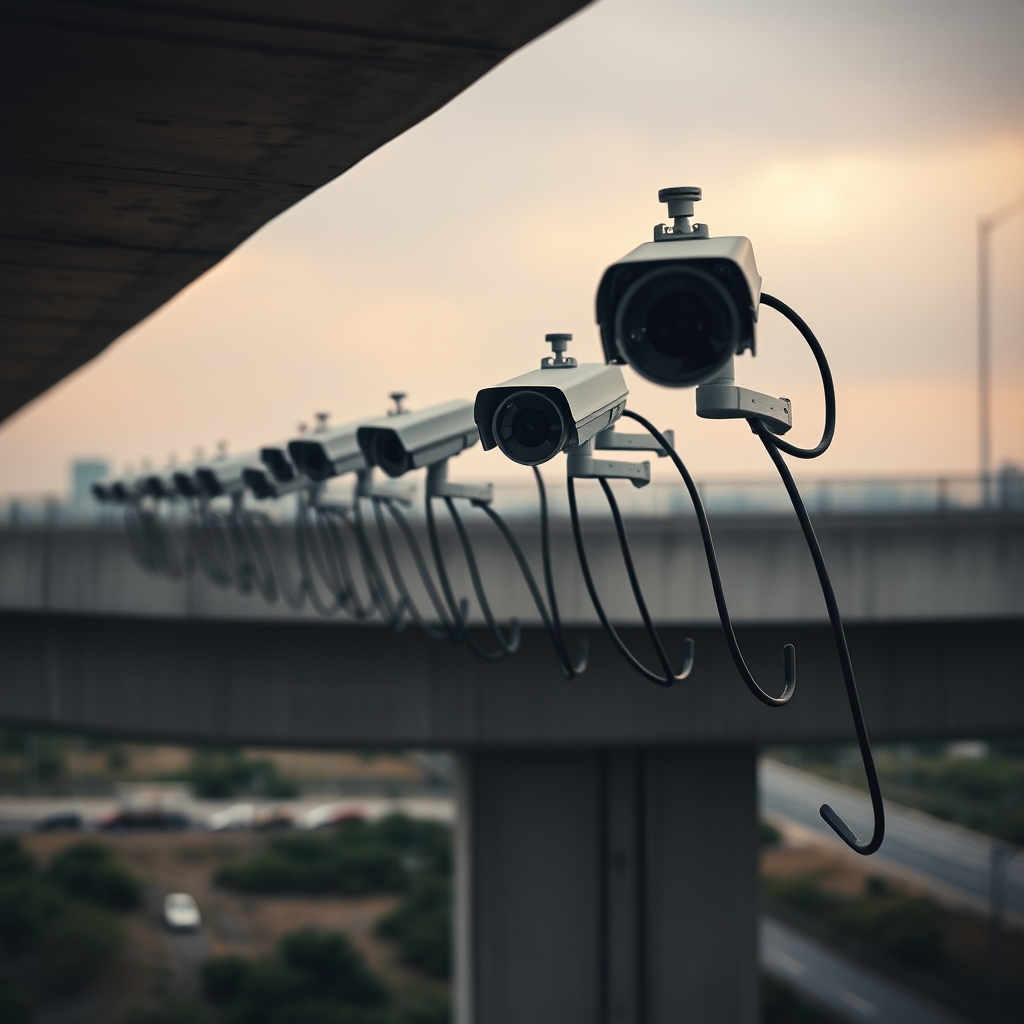
The expansion of warrantless tracking has raised concerns among civil liberties advocates, as new surveillance technologies are being implemented to monitor individuals' movements. According to The Car Coach, license plate cameras will soon be able to track phones and wearables, often without a warrant, creating a detailed picture of a person's daily activities. This development has sparked fears that such power can be abused and chill the exercise of civil liberties, particularly as these tools are often adopted for one purpose but can be used for broader surveillance.
The failure to extend Section 702 of the Foreign Intelligence Surveillance Act (FISA) before its June 12 deadline has been seen as a setback for the federal government's warrantless surveillance machine, as reported by txgunrights.org. However, this does not mean that the surveillance state is not continuing to expand, with agencies such as the Bureau of Alcohol, Tobacco, Firearms, and Explosives (ATF) previously using commercial cellphone location surveillance software to conduct hundreds of warrantless searches. The ATF has since canceled its contract for this software, but other agencies, such as ICE, are still exploring the use of commercial location data, raising concerns about the potential for abuse.
The use of such surveillance technologies has been criticized by lawmakers, with 19 House Republican nay votes blocking a short-term reauthorization of FISA Section 702, as reported by vtcng.com. This revolt against the reauthorization of FISA Section 702 has halted business in the U.S. House, with lawmakers calling for greater oversight and accountability in the use of surveillance technologies. As the debate over surveillance and privacy continues, concerns about the potential for abuse of these technologies are likely to grow, with some arguing that the use of AI control raises concerns about the potential for unchecked surveillance, as discussed in the article AI Control Raises Concerns.
The expansion of warrantless tracking is also being driven by advances in technology, such as LiDAR, which is now subject to new rules under the NDAA, as outlined in the article NDAA LiDAR Rules Now Apply. However, despite these new rules, concerns remain about the potential for abuse of these technologies, particularly in the context of immigration enforcement, where agencies such as ICE are seeking to use commercial location data to track individuals, as reported in the article ICE Evades Oversight. As the use of surveillance technologies continues to expand, it is likely that concerns about privacy and civil liberties will only continue to grow.
As I reflect on the expansion of warrantless tracking, I firmly believe that this trend is a threat to our fundamental right to privacy. My thesis is that the unchecked growth of warrantless tracking will inevitably lead to a surveillance state where citizens are constantly monitored without their knowledge or consent. If nothing changes, the winners will be government agencies and corporations that seek to exploit our personal data for their own gain, while the losers will be ordinary citizens like myself who value their freedom and autonomy. It is imperative that we take a stand against this erosion of our privacy rights.
Cross-reference independently — do not take our word for it.
Disclosure: NewsAnarchist uses AI-assisted reporting with web search. Always verify primary sources linked above.
This article is produced by NewsAnarchist's AI reporting system, not a human staff reporter. It's built from the primary source cited above (a FOIA release, an agency's own policy or procurement document, court filings from surveillance litigation, or the wire reporting linked in the body) and reports what that source states, attributed to it — it does not allege intent behind a surveillance program beyond what the record shows. Part of our Surveillance State hub. Found an error? Tell us.