US-Iran Deal Unravels
Preliminary agreement outlines $300 billion plan for Iran's reconstruction

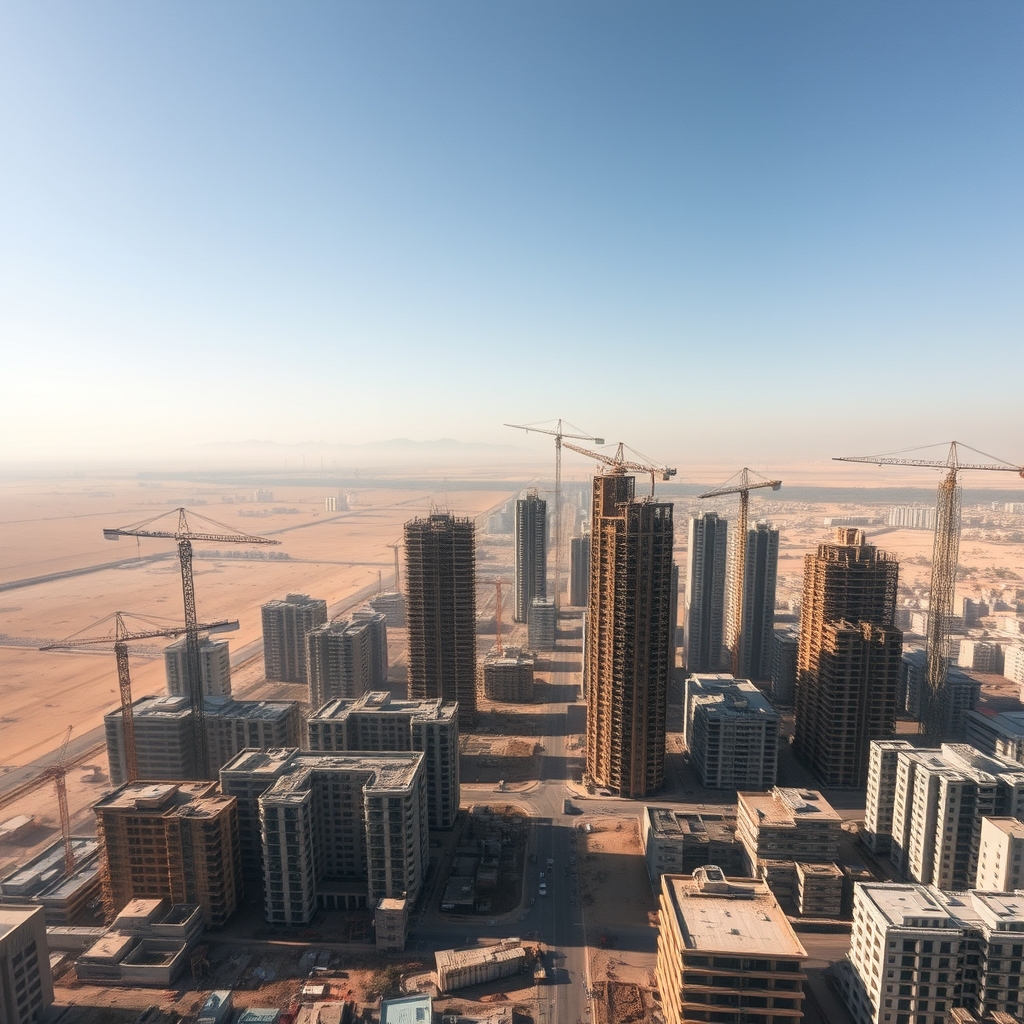
The US-Iran deal has begun to unravel, with both sides claiming victory but ultimately losing in important ways. According to analysis by the Center for Strategic and International Studies, the framework deal kicks negotiations on harder issues down the road and leaves key questions unanswered. This development comes after US President Donald Trump departed the G7 Summit in France, where a US official provided the text of the preliminary agreement, outlining a $300 billion plan for Iran's reconstruction and 60 days of talks on its nuclear program.
The agreement has been met with criticism, with some arguing that the US has surrendered to Iran's demands. As noted by Bloomberg, Trump had previously promised that there would be no deal with Iran except for "unconditional surrender," but it appears that the US has ultimately done the surrendering. The $300 billion plan for Iran's reconstruction is a significant concession, and the 60-day timeline for talks on the nuclear program is seen as a relatively short period of time to address such a complex issue.
The unraveling of the deal has significant geopolitical implications, particularly in the Middle East. The conflict between the US and Iran has continued to reshape the region, with other countries such as Russia and Ukraine becoming increasingly involved. On June 17, 2026, Ukraine launched a major drone attack on a Moscow refinery, marking a significant escalation in the conflict. The attack has pushed back the prospect of direct contacts between Russian President Vladimir Putin and Ukrainian President Zelenskiy, according to Kremlin aide Yuri Ushakov.
The US-Iran deal has also been met with skepticism by some pundits, who argue that the agreement is evidence of a broader disagreement over terms. As noted by Yves Smith on June 17, 2026, the deal has sparked a "freakout" among US pundits, who are concerned about the implications of the agreement for the region. The deal has also raised questions about the potential risks and benefits of reopening the Strait of Hormuz, a critical oil shipping lane that has been closed due to the conflict.
As the situation continues to unfold, it remains to be seen how the US-Iran deal will ultimately impact the region. With the US having agreed to a $300 billion plan for Iran's reconstruction, and the 60-day timeline for talks on the nuclear program, the stakes are high. The conflict between the US and Iran, as well as the broader geopolitical tensions in the region, will likely continue to shape the Middle East for years to come. On June 18, 2026, the situation remained fluid, with breaking news continuing to emerge from the region.
As I reflect on the US-Iran deal unraveling, I firmly believe that a return to diplomatic isolation will only exacerbate regional tensions. My thesis is that the collapse of this deal will have far-reaching and devastating consequences for global stability. If nothing changes, hardline Iranian factions and extremist groups will be the winners, as they will capitalize on the renewed sense of hostility and mistrust. The lack of diplomatic engagement will embolden these groups, allowing them to expand their influence and undermine regional security. It is imperative that we reconsider our approach and work towards a renewed dialogue.
Cross-reference independently — do not take our word for it.
Disclosure: NewsAnarchist uses AI-assisted reporting with web search. Always verify primary sources linked above.
This article is produced by NewsAnarchist's AI reporting system, not a human staff reporter. It's built from the primary source cited above (an official government or diplomatic statement, wire-service reporting (Reuters, AP, AFP) we cite by name, or a named think-tank/NGO report) and reports what that source states, attributed to it — it reports what that source states and does not predict how a conflict or negotiation resolves. Part of our Global Power hub. Found an error? Tell us.