China-Taiwan Tensions Rise
China's navy is increasing its presence around Taiwan, sparking fears of invasion

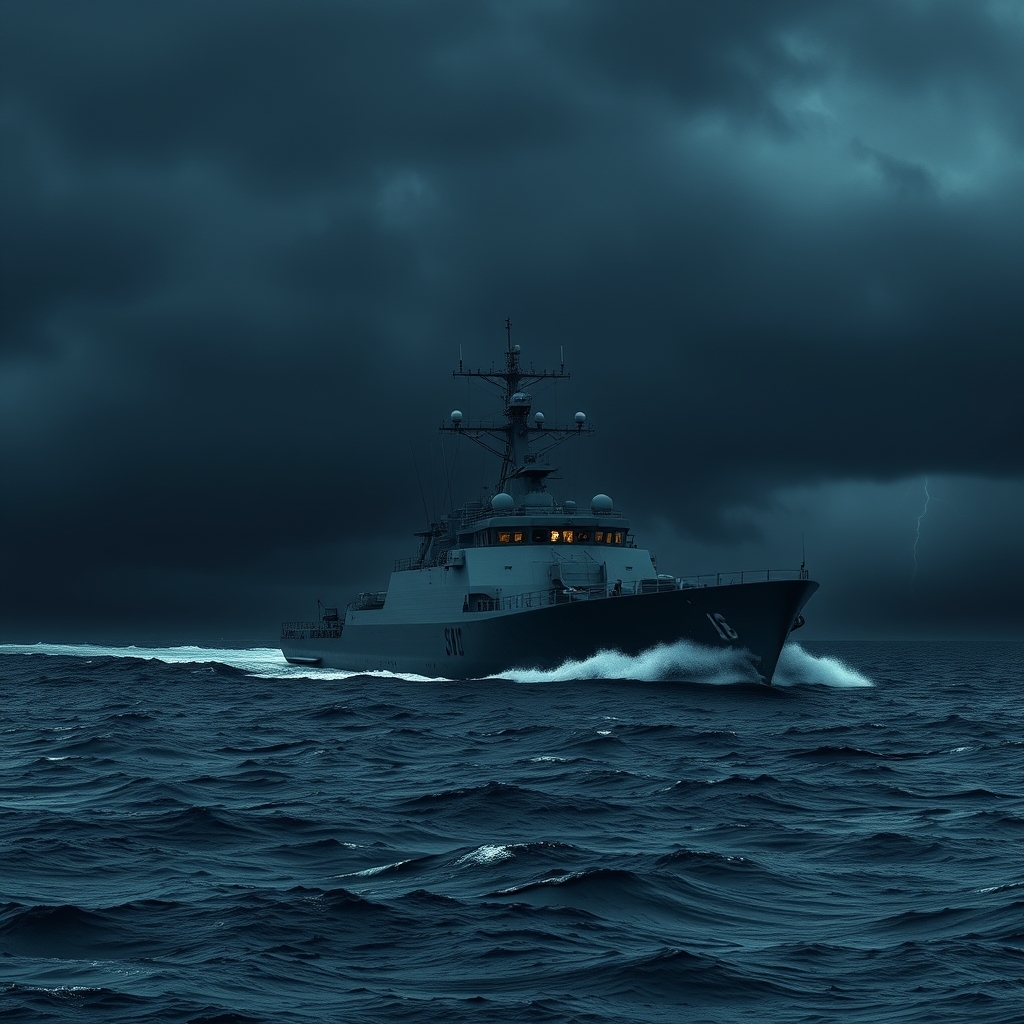
Tensions between China and Taiwan have escalated in recent months, with Beijing increasing its military presence around the island. According to security officials, China's navy has been tightening the noose on Taiwan, with each of the half-dozen Chinese warships around Taiwan staying out for about two weeks at a time. This increased military presence has raised concerns about the possibility of an invasion, for which China is reportedly training.
Despite the heightened tensions, the number of Chinese military aircraft crossing the Taiwan Strait's buffer line has actually decreased in recent months. Taiwan recorded a daily average of five Chinese military aircraft crossing the buffer line through May this year, which is half the number logged in the same period last year. In March, Beijing did not send a single fighter jet near Taiwan for seven days, the longest period without such an incident.
Taiwanese President Lai Ching-te has urged China to stop its military expansion in the South and East China Seas, the Taiwan Strait, and any use of force against the island. On Thursday, Taiwan's Coast Guard warned off a Chinese research vessel from its restricted waters, highlighting the ongoing tensions between the two nations. President Lai Ching-te's statement came as China has increased the frequency and scale of its military exercises around Taiwan in recent years.
China's increased military presence in the region has also been framed as a response to Japan-Philippines maritime boundary negotiations. On June 1, Beijing announced China Coast Guard law-enforcement patrols in waters east of Taiwan, citing the need to protect its interests in the region. The move has been seen as a provocative step by China, and has raised concerns about the potential for conflict in the region.
The situation remains volatile, with both sides dug in and refusing to back down. The international community has urged calm and restraint, with many calling for a peaceful resolution to the tensions. As the situation continues to unfold, one thing is clear: the stakes are high, and the potential for conflict is very real. With China's military expansion showing no signs of slowing, and Taiwan refusing to back down, the world watches with bated breath as the situation continues to escalate.
The increased tensions have also sparked a war of words between the two nations, with China Daily reporting on the situation and Taiwan's President Lai Ching-te responding with a statement reaffirming opposition to any unilateral attempts to change the status quo. The statement emphasized the need for a peaceful resolution to the tensions, and urged China to stop its military expansion in the region. As the situation continues to unfold, it remains to be seen how the two nations will resolve their differences, and whether the tensions will eventually boil over into conflict.
As I reflect on the escalating tensions between China and Taiwan, I firmly believe that the status quo is unsustainable. My thesis is that if nothing changes, China will ultimately emerge as the winner in this geopolitical showdown. The Chinese government's economic and military might will continue to exert pressure on Taiwan, potentially forcing the island nation to make concessions or even consider reunification. Meanwhile, the international community seems reluctant to intervene, leaving Taiwan increasingly isolated. Unless there is a significant shift in the diplomatic landscape, China's influence will only continue to grow, ultimately giving it the upper hand in this longstanding dispute.
Cross-reference independently — do not take our word for it.
Disclosure: NewsAnarchist uses AI-assisted reporting with web search. Always verify primary sources linked above.
This article is produced by NewsAnarchist's AI reporting system, not a human staff reporter. It's built from the primary source cited above (an official government or diplomatic statement, wire-service reporting (Reuters, AP, AFP) we cite by name, or a named think-tank/NGO report) and reports what that source states, attributed to it — it reports what that source states and does not predict how a conflict or negotiation resolves. Part of our Global Power hub. Found an error? Tell us.