India Expands Arctic Presence
India signs logistics pact with Russia to access military facilities in the Arctic

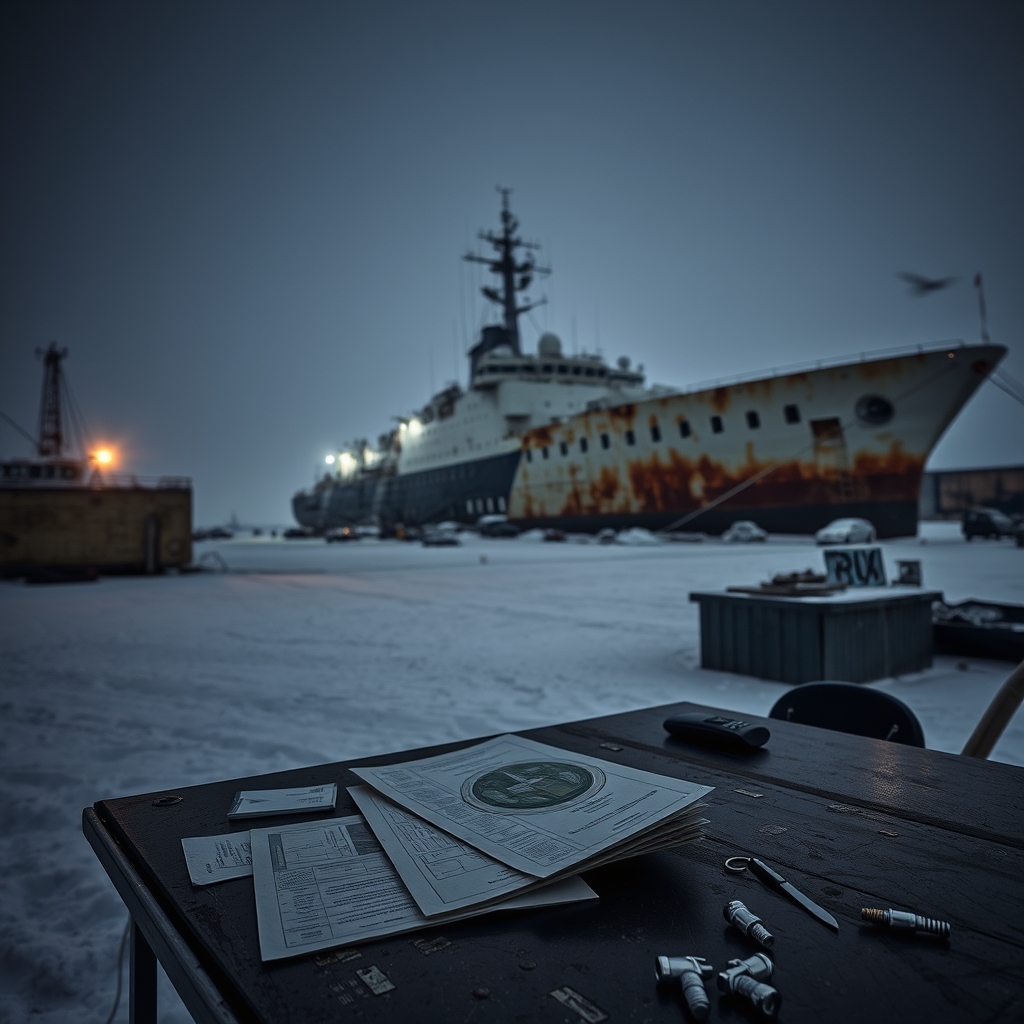
India's expansion of its Arctic presence is a strategic move driven by the country's growing interests in the region. The Reciprocal Exchange of Logistics Agreement, known as RELOS, signed between India and Russia, grants India access to Russian military facilities in the Arctic. This development is significant as it extends India's maritime and aerial operational footprint into the Arctic and Northern Sea Route. Russia, in turn, reinforces its presence in the Indian Ocean Region.
The signing of RELOS is part of India's broader strategy of multi-alignment, where the country avoids joining any single power bloc while drawing tactical advantages from multiple competing powers. India has signed similar non-binding logistics pacts with the United States and Russia, demonstrating its ability to navigate complex geopolitical relationships. This approach allows India to maintain its independence while leveraging the benefits of cooperation with major world powers.
The Arctic region is becoming increasingly important due to the opening of new navigation routes resulting from global warming. The Northern Sea Route, which connects Europe and Asia, is expected to play a critical role in international trade. India's expansion into the Arctic is also driven by its growing energy needs, with the country seeking to diversify its energy sources. According to reports, India is looking to increase its oil imports, with Iraq expected to return its oil production to levels exceeding three million barrels per day within one to two months.
The great power dynamics at play in the Arctic region are complex, with multiple nations vying for influence. The United States, China, and Russia are among the key players, with each country seeking to expand its presence in the region. India's move into the Arctic is seen as a strategic effort to assert its position as a major world power. As former US President Donald Trump once noted, leaders like Xi Jinping of China possess significant power and leverage, and India is likely seeking to emulate this approach in its own foreign policy.
The economic implications of India's Arctic expansion are significant, with the country potentially gaining access to new trade routes and energy sources. The cost of establishing a presence in the Arctic is substantial, however, with estimates suggesting that India will need to invest heavily in infrastructure and logistics. Despite these challenges, India's strategic expansion into the Arctic is seen as a critical move in the country's efforts to assert its position as a major world power.
As I reflect on India's expanding Arctic presence, I firmly believe that this move will have far-reaching implications for global geopolitics. My thesis is that India's increasing involvement in the Arctic region will ultimately lead to a shift in the global balance of power. If nothing changes, it is clear that China will be the biggest winner, as it will be able to leverage its existing influence in the region to further its own economic and strategic interests at the expense of other nations. India's actions may be an attempt to counterbalance China's growing dominance, but for now, China stands to gain the most.
Cross-reference independently — do not take our word for it.
Disclosure: NewsAnarchist uses AI-assisted reporting with web search. Always verify primary sources linked above.
This article is produced by NewsAnarchist's AI reporting system, not a human staff reporter. It's built from the primary source cited above (an official government or diplomatic statement, wire-service reporting (Reuters, AP, AFP) we cite by name, or a named think-tank/NGO report) and reports what that source states, attributed to it — it reports what that source states and does not predict how a conflict or negotiation resolves. Part of our Global Power hub. Found an error? Tell us.