Iran-US Deal Unravels
Commercial traffic through Hormuz Strait surges after US-Iran deal collapses

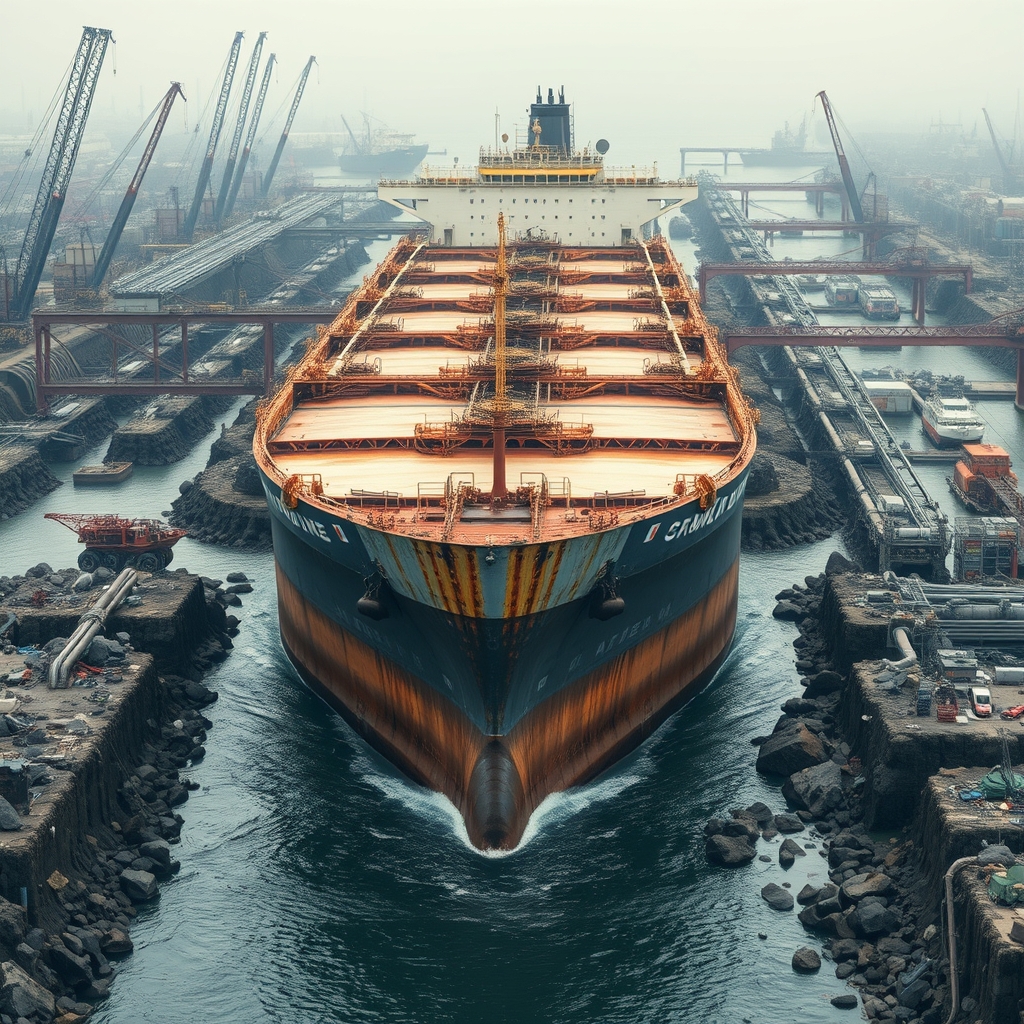
Tensions between Iran and the United States have escalated significantly, with the recent deal between the two nations unraveling at an alarming rate. The agreement, which was announced on June 10, 2026, had aimed to ease tensions and improve relations between the two countries. However, recent developments have raised concerns that the deal may be on the verge of collapse. On June 18, 2026, commercial traffic through the Strait of Hormuz surged, with shipping vessels lying off the Iranian port of Bandar Abbas. This increase in traffic was seen as a positive sign, with some analysts suggesting that it could lead to increased economic cooperation between Iran and other nations.
However, just a day later, on June 19, 2026, Iran closed the Strait of Hormuz again, citing concerns over the safety of its ships. This move was seen as a significant escalation of tensions, with the United States and other nations expressing concern over the potential impact on global oil supplies. The Strait of Hormuz is a critical waterway, with over 20% of the world's oil passing through it every day. The closure of the strait could have significant economic implications, with some estimates suggesting that it could lead to a increase in oil prices of up to $10 per barrel. On June 20, 2026, a negotiating team from Iran was scheduled to travel to Switzerland to meet with US officials, in an effort to salvage the deal.
The situation in the region has been further complicated by the involvement of other nations, including Israel. On June 15, 2026, Israel launched a series of airstrikes against targets in Lebanon, in response to what it claimed were attacks by the Iranian-backed militant group Hezbollah. The airstrikes resulted in significant damage and loss of life, with reports suggesting that at least 20 people were killed. The Israeli military has also suffered significant losses, with reports suggesting that several of its elite armor units have been destroyed by Hezbollah's Imad-4 fortress in southern Lebanon. The fortress, which is located at the heart of the Ali al-Taher hill, is a 1-kilometer underground tunnel complex that houses a command center and strategic weapons depots.
The US-Iran deal, which was valued at over $1 billion, had aimed to improve relations between the two nations and reduce tensions in the region. However, the recent escalation of tensions has raised concerns that the deal may be on the verge of collapse. The situation in the region remains highly volatile, with the potential for further escalation and conflict. The international community is watching the situation closely, with many nations calling for calm and restraint. The United Nations has issued a statement urging all parties to refrain from taking any actions that could further escalate the situation. As the situation continues to unfold, it remains to be seen whether the US-Iran deal can be salvaged, or whether the region will be plunged into further conflict.
As I watch the Iran-US deal unravel, I firmly believe that inaction will only embolden hardliners on both sides. My thesis is that the collapse of this deal will have far-reaching and devastating consequences for global stability. If nothing changes, the winners will be extremist groups and rogue states, who will exploit the power vacuum and increased tensions to further their own interests. The Iranian regime's hardliners and US hawks will also gain from the deal's demise, as they will be able to consolidate power and push their aggressive agendas. It's imperative that we find a way to salvage the deal and prevent this catastrophic outcome.
Cross-reference independently — do not take our word for it.
Disclosure: NewsAnarchist uses AI-assisted reporting with web search. Always verify primary sources linked above.
This article is produced by NewsAnarchist's AI reporting system, not a human staff reporter. It's built from the primary source cited above (an official government or diplomatic statement, wire-service reporting (Reuters, AP, AFP) we cite by name, or a named think-tank/NGO report) and reports what that source states, attributed to it — it reports what that source states and does not predict how a conflict or negotiation resolves. Part of our Global Power hub. Found an error? Tell us.