Facial Recognition Expands
London's Met Police will expand live facial recognition into central London by Christmas, sparking controversy over surveillance and discrimination

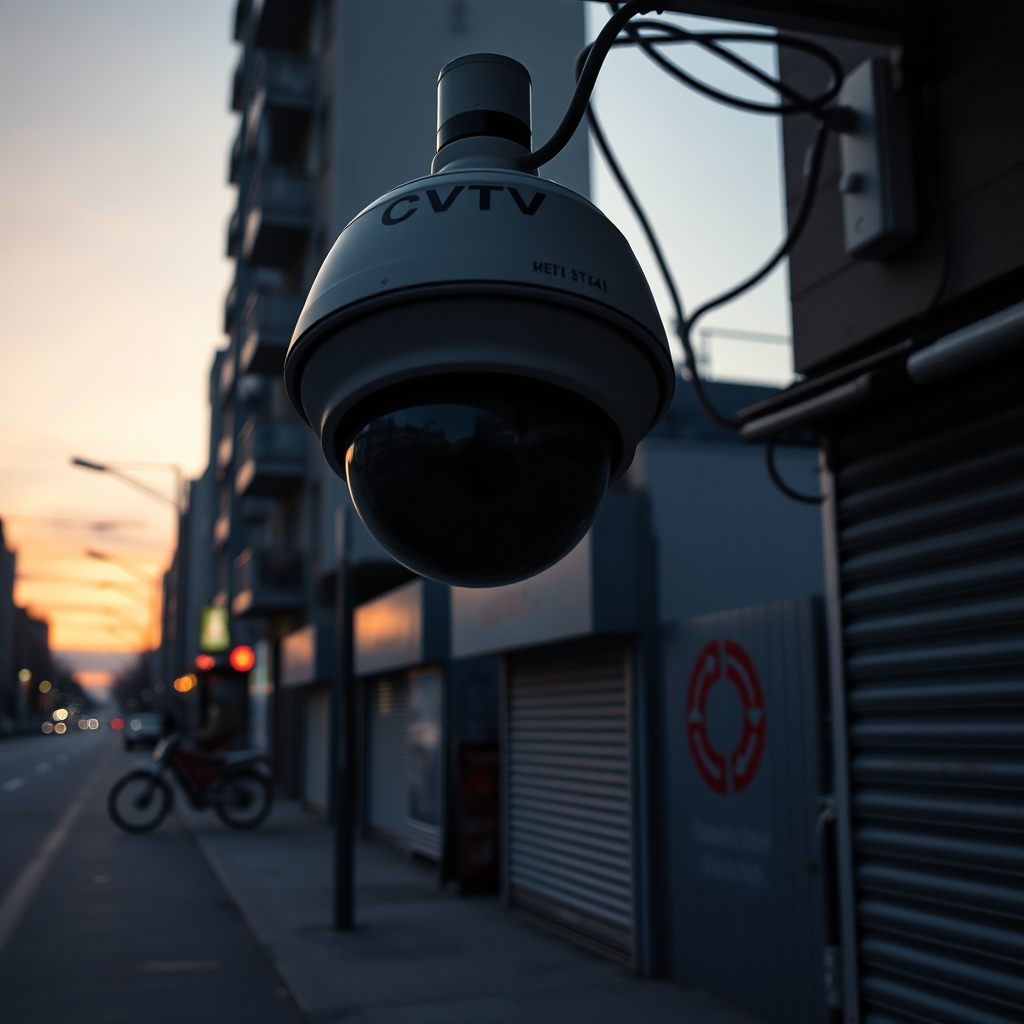
The expansion of facial recognition technology is underway in various parts of the world, with the Met Police in London being the latest to announce its plans to roll out live facial recognition cameras to the West End by Christmas, as reported by the Met's expansion plans. This move has sparked controversy, with critics arguing that the technology predominantly surveils the faces of innocent people and can discriminate against black people. The algorithm used to power facial recognition can be flawed, and its use has been met with resistance from civil rights groups.
The use of facial recognition technology is not limited to the UK, as other countries and cities are also exploring its potential. In the US, the Department of Justice has sued New York over new mask bans and ID rules for federal agents, which are set to take effect on June 26, 2026, according to reports on the lawsuit. The Face Covering Act and the Identification Act are two key components of the legislation that have been challenged by the DOJ. Meanwhile, in Kansas City, plans to install facial recognition cameras on buses have been delayed due to technical issues and funding concerns.
The expansion of facial recognition technology has significant implications for privacy and civil liberties. As previous breaches have shown, the use of advanced surveillance technology can have unintended consequences. The collection and storage of biometric data, including facial recognition information, raise concerns about data protection and the potential for misuse. In India, new data laws are being proposed, which could have far-reaching implications for data privacy and surveillance. The use of facial recognition technology is also being challenged by activists, who argue that it infringes on their right to privacy and freedom of expression, as seen in the case of Madison Square Garden's dossier on activists.
The Met Police's plans to expand facial recognition technology to the West End have been widely reported, with millions of people expected to be scanned as a result. The use of facial recognition technology is becoming increasingly widespread, with the federal law enforcement agency evaluating advanced software capabilities to enhance its Next Generation Identification system. As the Met's expansion of facial recognition continues, concerns about privacy and civil liberties are likely to grow.
As I reflect on the expanding use of facial recognition technology, I firmly believe that our personal freedoms are at stake. My thesis is that the unchecked growth of facial recognition poses a significant threat to individual privacy and autonomy. If nothing changes, I fear that governments and corporations will be the ultimate winners, gaining unprecedented power to monitor and control our lives. They will have access to vast amounts of personal data, allowing them to track our movements and activities with ease, all while we are left with little to no say in the matter.
Cross-reference independently — do not take our word for it.
Disclosure: NewsAnarchist uses AI-assisted reporting with web search. Always verify primary sources linked above.