UK Expands Facial Recognition
London police will deploy live facial recognition cameras in the city's West End and Soho by the end of the year

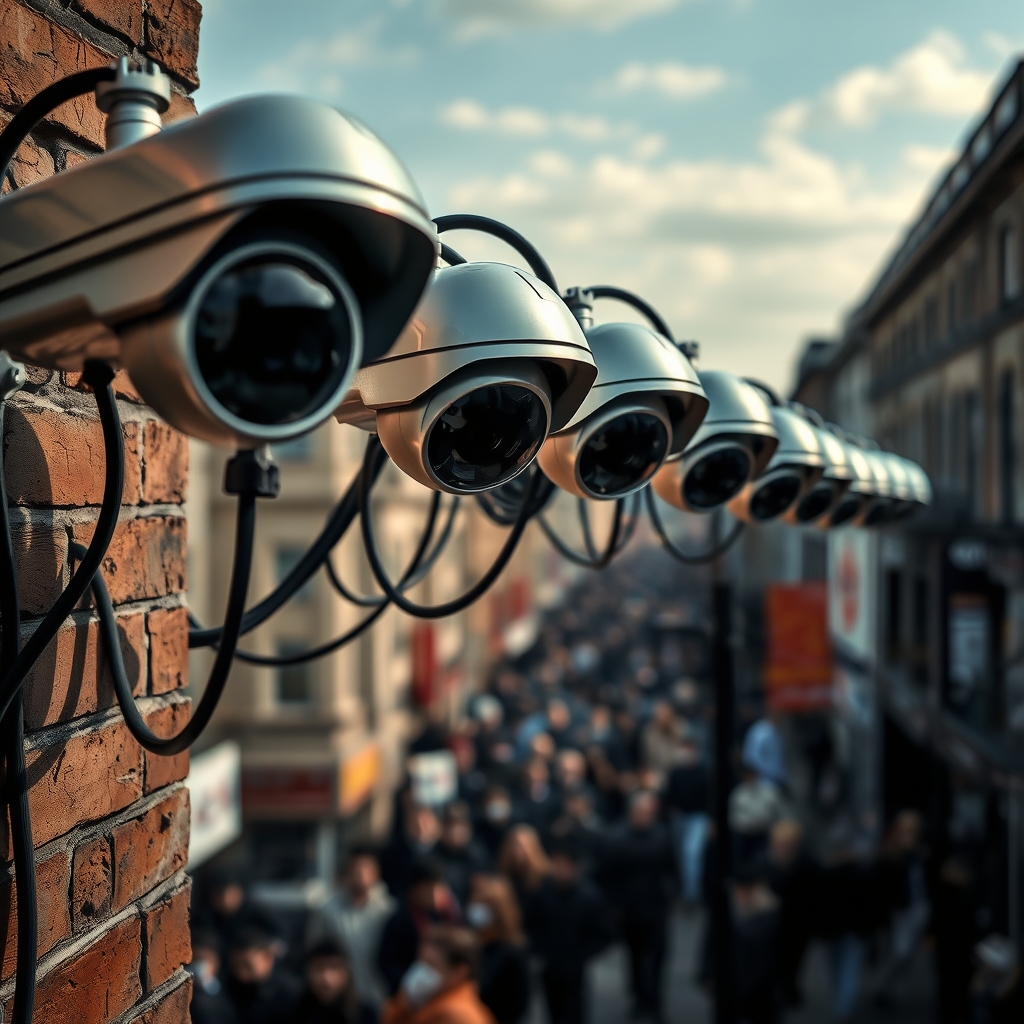
The UK government's plan to expand the use of live facial recognition in central London by Christmas has raised concerns among civil liberties groups, who argue that the technology predominantly surveils the faces of innocent individuals, as reported by the latest developments on facial recognition. The Metropolitan Police Service is set to deploy static live facial recognition cameras in London's West End and Soho by the end of this year, according to recent briefs on the expansion. This move comes despite controversies surrounding the algorithm used to power the technology, which can discriminate against black people.
In contrast, Erie County in New York has taken a different approach, with County Executive Mark Poloncarz signing the Biometric Transparency and Privacy Act on May 26, which prohibits private businesses from collecting, using, retaining, or selling biometric identifier data, including facial-recognition scans, as detailed in reports on the ban. This decision highlights the ongoing debate about the use of facial recognition technology and its potential impact on civil liberties. The issue has also been linked to broader concerns about government surveillance and data collection, with some arguing that the expansion of facial recognition is part of a larger trend towards increased monitoring of citizens, which has been discussed in the context of NSA Loses Access To AI and FISA Revival.
The UK government's intention to implement facial recognition and digital ID to access social media, announced by Keir Starmer, has also sparked controversy, with some arguing that it could lead to further erosion of privacy rights. This move is part of a broader effort to regulate social media access, with the ban on under-16s set to be enforced using facial recognition software and digital IDs. The use of facial recognition technology in this context raises concerns about the potential for Data Breach Exposures and the need for greater transparency and accountability in the use of biometric data. As the debate over facial recognition continues, it is likely that the issue will remain a major concern for civil liberties groups and citizens alike.
As I reflect on the UK's expansion of facial recognition, I strongly believe that this move poses a significant threat to individual privacy and freedom. My thesis is that the unchecked growth of facial recognition technology will inevitably lead to a surveillance state. If nothing changes, it's clear that the winners will be the government and corporate entities that seek to exploit personal data for their own gain, while the average citizen will be left to suffer the consequences of a severely eroded right to privacy. The UK's citizens must demand greater oversight and regulation to prevent this dystopian future.
Cross-reference independently — do not take our word for it.
Disclosure: NewsAnarchist uses AI-assisted reporting with web search. Always verify primary sources linked above.