Iran War Targets Civilians
Water infrastructure emerges as a strategic target in the Iran war, signaling a devastating trend for future conflicts

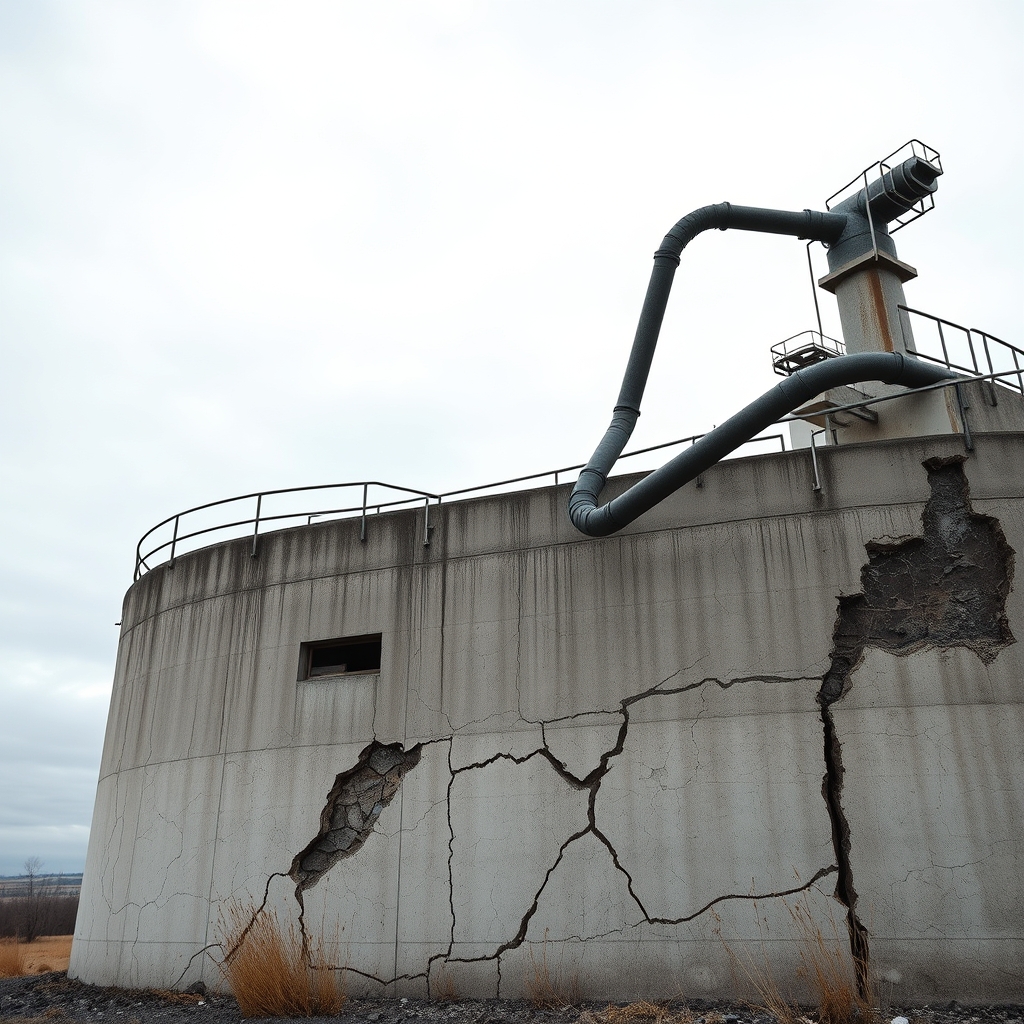
The ongoing conflict in Iran has raised concerns about the targeting of civilians, with water infrastructure emerging as a strategic target, as reported by Geopolitical Monitor, a trend that may signal a disturbing shift in future conflicts. This development has been analyzed by experts from the CSIS Geopolitics and Foreign Policy Department, who are studying how the war with Iran is reshaping geopolitics across various regions. The conflict has also drawn attention to the role of global powers, including the United States, which has been refining its sanctions policy, as discussed in the article NATO Refines Sanctions, in an effort to exert pressure on Iran.
The war in Iran has significant implications for global energy markets, with some analysts suggesting that the conflict could lead to a surge in energy prices, potentially benefiting countries like China, which is leading the global energy shift towards renewable sources. The situation in Iran is also being closely monitored by the international community, with many countries expressing concern about the humanitarian impact of the conflict, as reported by The Guardian, which has been providing in-depth coverage of the crisis. The conflict has also led to increased traffic in the Hormuz Strait, a critical waterway for global energy trade.
The targeting of civilians in Iran has been widely condemned, with many experts warning that such tactics could lead to a protracted and bloody conflict, as discussed in the 2026 Iran war analysis by Britannica. The international community is calling for an immediate ceasefire and a return to diplomatic negotiations, with the United States and Iran having announced a two-week ceasefire on June 18, 2026, according to Reuters. The situation remains volatile, with the potential for further escalation, and the international community is urging all parties to prioritize the protection of civilians and avoid targeting critical infrastructure, such as water treatment plants and hospitals.
As I reflect on the ongoing conflict in Iran, I strongly believe that the war targets civilians, causing irreparable harm to innocent lives. My thesis is that the continued bombardment of civilian areas is a blatant disregard for human rights and international law. If nothing changes, the true winners will be extremist groups and authoritarian regimes that thrive on chaos and instability. They will capitalize on the suffering and desperation of the Iranian people, further entrenching their power and influence. It is imperative that we demand an end to these senseless attacks and prioritize the protection of civilians.
Cross-reference independently — do not take our word for it.
Disclosure: NewsAnarchist uses AI-assisted reporting with web search. Always verify primary sources linked above.
This article is produced by NewsAnarchist's AI reporting system, not a human staff reporter. It's built from the primary source cited above (an official government or diplomatic statement, wire-service reporting (Reuters, AP, AFP) we cite by name, or a named think-tank/NGO report) and reports what that source states, attributed to it — it reports what that source states and does not predict how a conflict or negotiation resolves. Part of our Global Power hub. Found an error? Tell us.