UK Expands Facial Recognition
London police will deploy live facial recognition cameras in the city's West End and Soho by year's end

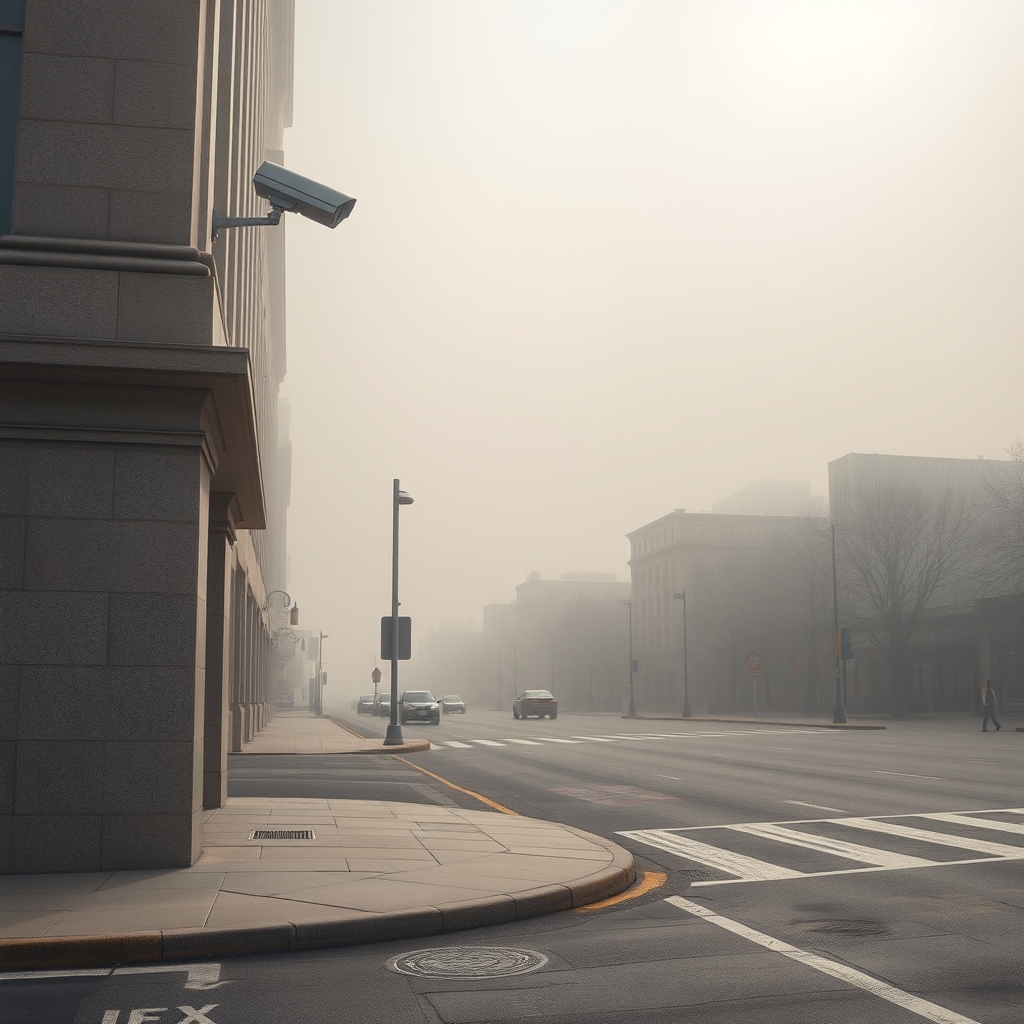
The UK government has announced plans to expand its use of facial recognition technology, with the Metropolitan Police Service set to deploy static live facial recognition cameras in London's West End and Soho by the end of this year, as reported by London police to expand live facial recognition use. This move is part of a broader trend towards increased use of biometric technologies, with Congress recently opening a $69.5 billion pipeline for border tech and biometric expansion, although it is unclear how much of this funding will be allocated to specific technologies such as facial recognition, as noted on congress opens $69.5 billion pipeline for border tech, biometric expansion. The use of facial recognition technology has been recognized as a key tool in preventing fraud and strengthening security, with Rank One Computing Corporation being awarded the "Facial Recognition System of the Year" at the 9th Annual AI Breakthrough Awards, as announced on ROC Awarded Facial Recognition System of the Year in AI Breakthrough Awards 2026.
The expansion of facial recognition technology in the UK is also being driven by plans to implement digital IDs and facial recognition software to restrict access to social media for under-16s, as announced by Keir Starmer at a press conference. This move has raised concerns about the potential impact on civil liberties, particularly in light of other surveillance technologies such as automatic license plate readers, which have been shown to threaten liberties. The use of biometric technologies is not limited to the UK, with countries such as India also considering new data protection laws, as discussed in India's Data Bill. Meanwhile, some law enforcement agencies have begun to drop certain surveillance technologies, such as phone trackers, as reported in ATF Drops Phone Tracker.
The UK's plans to expand its use of facial recognition technology are likely to be watched closely by civil liberties groups, who will be concerned about the potential impact on individuals' right to privacy. The use of facial recognition technology has been recognized as a powerful tool in preventing fraud and strengthening security, but it also raises important questions about the balance between security and individual liberties. As the use of biometric technologies continues to expand, it is likely that these debates will become increasingly prominent, with congress opens $69.5 billion pipeline for border tech, biometric expansion and the awarding of the "Facial Recognition System of the Year" to Rank One Computing Corporation being just two examples of the growing importance of this technology.
As I consider the UK's expansion of facial recognition, I firmly believe that this trend poses a significant threat to individual privacy and freedom. My thesis is that the unchecked growth of facial recognition technology will inevitably lead to a surveillance state where citizens are constantly monitored. If nothing changes, it is clear that the winners will be government agencies and corporate interests who seek to exploit this technology for their own gain, at the expense of ordinary people's autonomy and dignity. The potential for abuse and manipulation is vast, and it is imperative that we take a step back and reassess the implications of this technology.
Cross-reference independently — do not take our word for it.
Disclosure: NewsAnarchist uses AI-assisted reporting with web search. Always verify primary sources linked above.