US Border Biometrics
Congress allocates $69.5 billion for border tech and biometric expansion

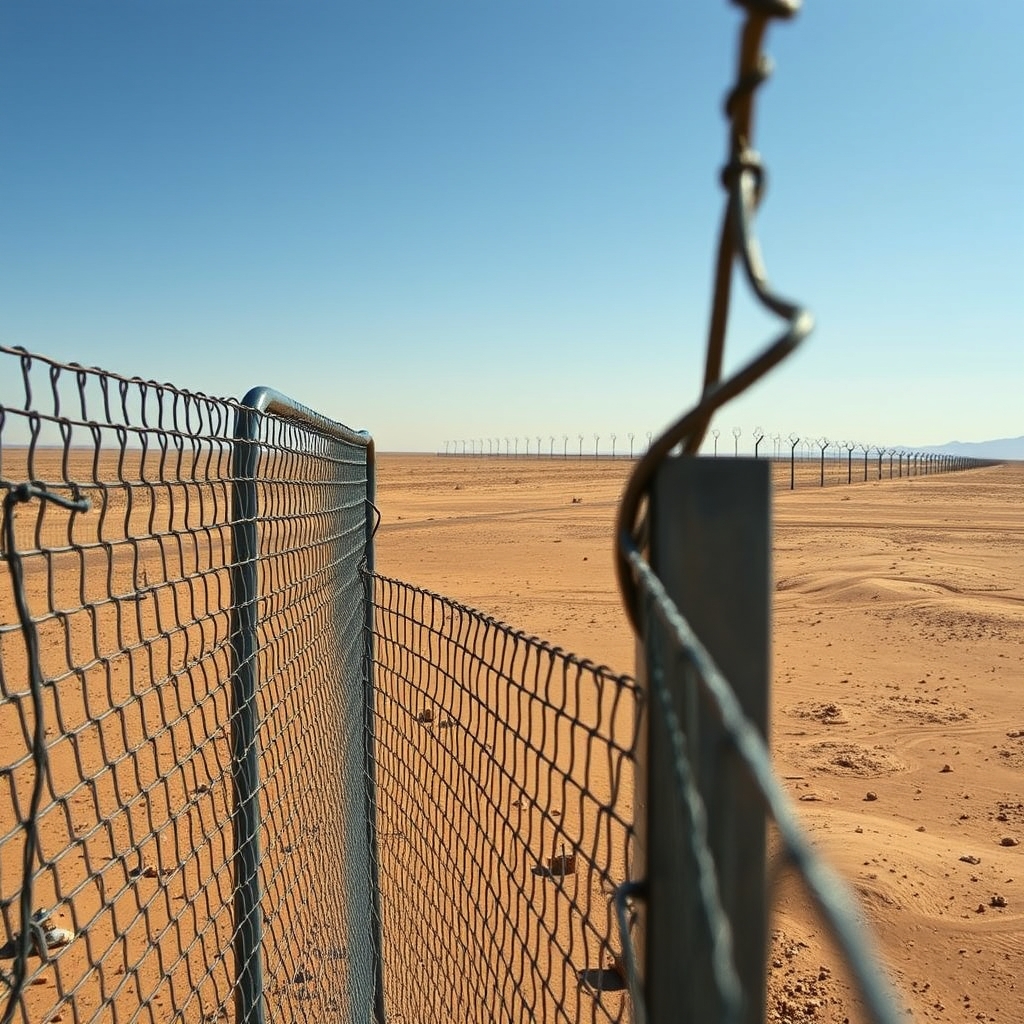
The US government has allocated a significant amount of funds for border tech and biometric expansion, with Congress opening a $69.5 billion pipeline for such initiatives, as reported by Biometric Update on June 26, 2026. This move is expected to enhance the country's surveillance capabilities, including the use of facial recognition, fingerprinting, and iris scans. However, the exact amount to be spent on these biometric tools remains unclear. The expansion of biometric technology at the border raises concerns about privacy and civil liberties, particularly in the context of the government's attempts to crackdown on dissent, which has been criticized for targeting anti-surveillance measures.
The use of biometric technology, such as facial recognition, has been increasingly adopted by law enforcement agencies around the world, including in Kenya, where the government is planning to link the national ID database to a CCTV facial recognition network. This trend has sparked debates about the balance between public safety and individual privacy, with some arguing that the benefits of biometric technology outweigh the risks, while others, such as Liberty, call for a pause on the use of facial recognition technology until a dedicated legal framework is established. The recent Mythos Breach Exposed incident has also highlighted the vulnerabilities of biometric data, underscoring the need for robust security measures to protect sensitive information.
The deployment of biometric technology is not limited to border control, as it is also being used in various other contexts, such as retail and public safety, with 63% of deployments using unencrypted Bluetooth Low Energy beacons, making them vulnerable to spoofing or interception. The use of biometric technology has also been linked to other forms of surveillance, such as California 3D Printer Surveillance, which has raised concerns about the potential for abuse and the erosion of civil liberties. Meanwhile, the ATF Cancels Phone Tracker decision has been seen as a positive step towards protecting individual privacy, but more needs to be done to address the broader issues surrounding surveillance and biometric technology.
As I reflect on the US border biometrics, I firmly believe that the current system prioritizes security over individual privacy. My thesis is that the unchecked expansion of biometric surveillance at US borders will erode civil liberties. If nothing changes, the winners will be government agencies and private contractors who profit from the collection and analysis of biometric data, such as facial recognition technology companies. They will continue to reap financial benefits while Americans and visitors alike are subjected to increased scrutiny and potential misuse of their personal information, all under the guise of national security.
Cross-reference independently — do not take our word for it.
Disclosure: NewsAnarchist uses AI-assisted reporting with web search. Always verify primary sources linked above.
This article is produced by NewsAnarchist's AI reporting system, not a human staff reporter. It's built from the primary source cited above (a FOIA release, an agency's own policy or procurement document, court filings from surveillance litigation, or the wire reporting linked in the body) and reports what that source states, attributed to it — it does not allege intent behind a surveillance program beyond what the record shows. Part of our Surveillance State hub. Found an error? Tell us.