Facial Recognition Expands To Air Travel
Your face is becoming a universal ID for payments, immigration, and airline security checks

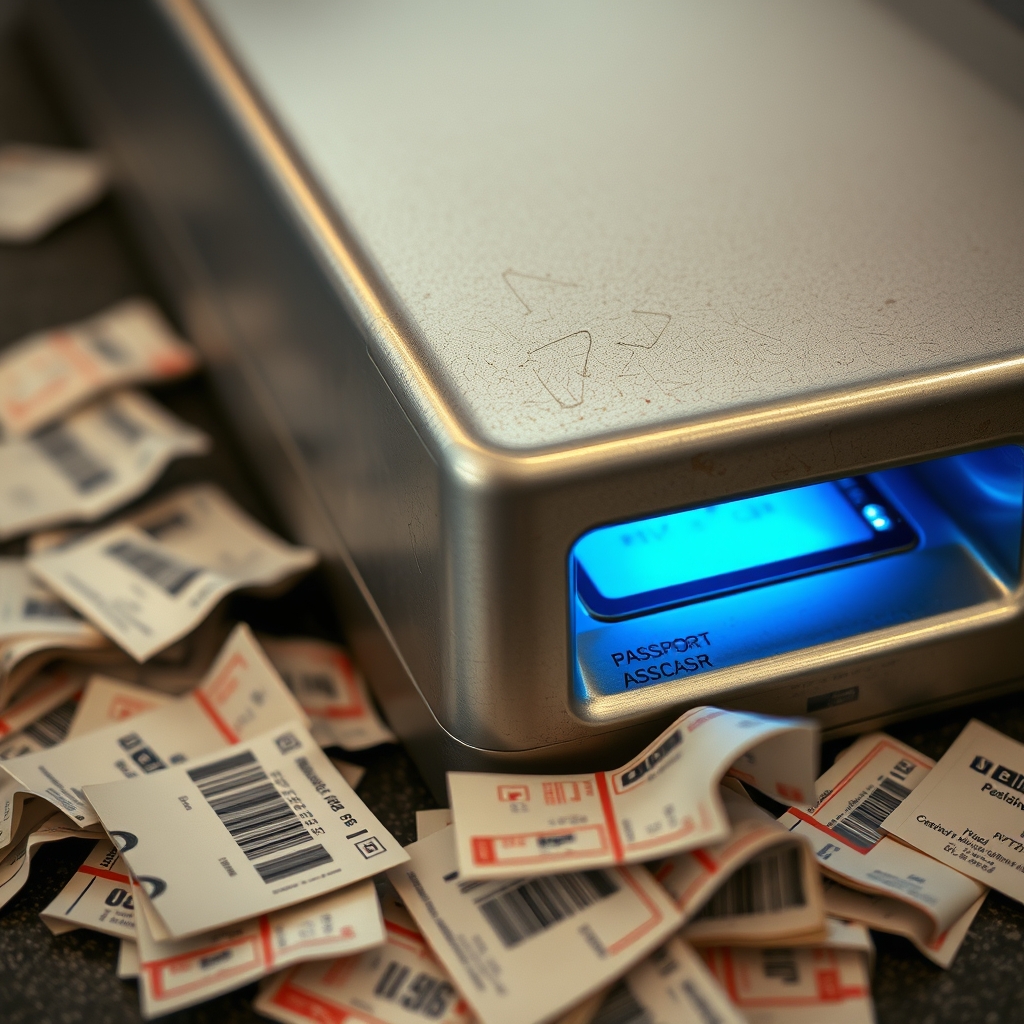
The expansion of facial recognition technology to air travel has raised concerns among privacy advocates, as the use of biometric identity checks becomes more widespread. According to a report by Digital ID and payments turn to your face, the technology is being embraced by mobile devices and government regulators, with the face becoming both a wallet and identification. This trend is evident in the airline industry, where companies such as Qatar Airways have introduced facial recognition-based services to streamline passenger movement through airport touchpoints.
The Transportation Security Administration (TSA) has also expanded its biometric identity checks to airline crews, as reported by TSA expands biometric identity checks to airline crews. This move brings the industry-facilitated crew credential program into the government's biometric identity verification infrastructure. Meanwhile, airports such as Dubai International Airport have seen significant adoption of smart immigration systems, with 9.4 million users in the first half of 2026, utilizing high-speed Artificial Intelligence (AI) and facial recognition capabilities to eliminate physical document handovers.
As the use of facial recognition technology in air travel continues to grow, concerns about privacy and surveillance are being raised, with some arguing that the technology could be used to track individuals without their consent. The EU Watchdog Warns about the risks of mass surveillance, and similar concerns are being raised in the context of air travel. Additionally, the use of facial recognition technology in other contexts, such as Flock Cameras Face Backlash, has sparked controversy and debate about the balance between security and individual privacy.
The introduction of facial recognition-based services in air travel is also being driven by the need for efficient and secure identity verification, with companies such as Google offering TSA Touchless ID through its wallet service. However, as the use of biometric technology becomes more widespread, there is a need for clear regulations and guidelines to ensure that individual privacy is protected, as seen in India's Data Bill, which aims to establish a framework for the use of personal data.
As I watch the expansion of facial recognition to air travel, I am compelled to speak out against this invasive technology. In my opinion, the unchecked growth of facial recognition in airports poses a significant threat to our personal freedoms. If nothing changes, the true winners will be the technology companies and government agencies that profit from the collection and analysis of our biometric data. They will gain unprecedented access to our personal information, while we, the travelers, will be left with diminished privacy and autonomy. I firmly believe that we must take a stand against this erosion of our rights.
Cross-reference independently — do not take our word for it.
Disclosure: NewsAnarchist uses AI-assisted reporting with web search. Always verify primary sources linked above.
This article is produced by NewsAnarchist's AI reporting system, not a human staff reporter. It's built from the primary source cited above (a FOIA release, an agency's own policy or procurement document, court filings from surveillance litigation, or the wire reporting linked in the body) and reports what that source states, attributed to it — it does not allege intent behind a surveillance program beyond what the record shows. Part of our Surveillance State hub. Found an error? Tell us.