Flock Cameras Face Resistance
A Virginia man pleads not guilty to destroying Flock cameras, arguing mass surveillance violates rights

The use of Flock cameras, which capture license plate information, has sparked intense debate across the United States, with many arguing that the technology enables warrantless tracking of individuals, as reported by public backlash against mass surveillance cameras. In October 2024, Schmidt and Arrington sued the city, with backing from the Institute for Justice, arguing that the city-wide camera dragnet capturing their daily movements amounts to a warrantless search under the Fourth Amendment, a case that has been closely followed in articles discussing how the US Govt Uses AI for surveillance purposes. The case took a significant turn in January 2026, when a federal judge in the Eastern District of Virginia granted summary judgment for the city, a decision that was quickly published by Flock, highlighting the court's reasoning that the system didn't track enough of a person's life to count as exhaustive surveillance, as noted in a Supreme Court decision from 2018.
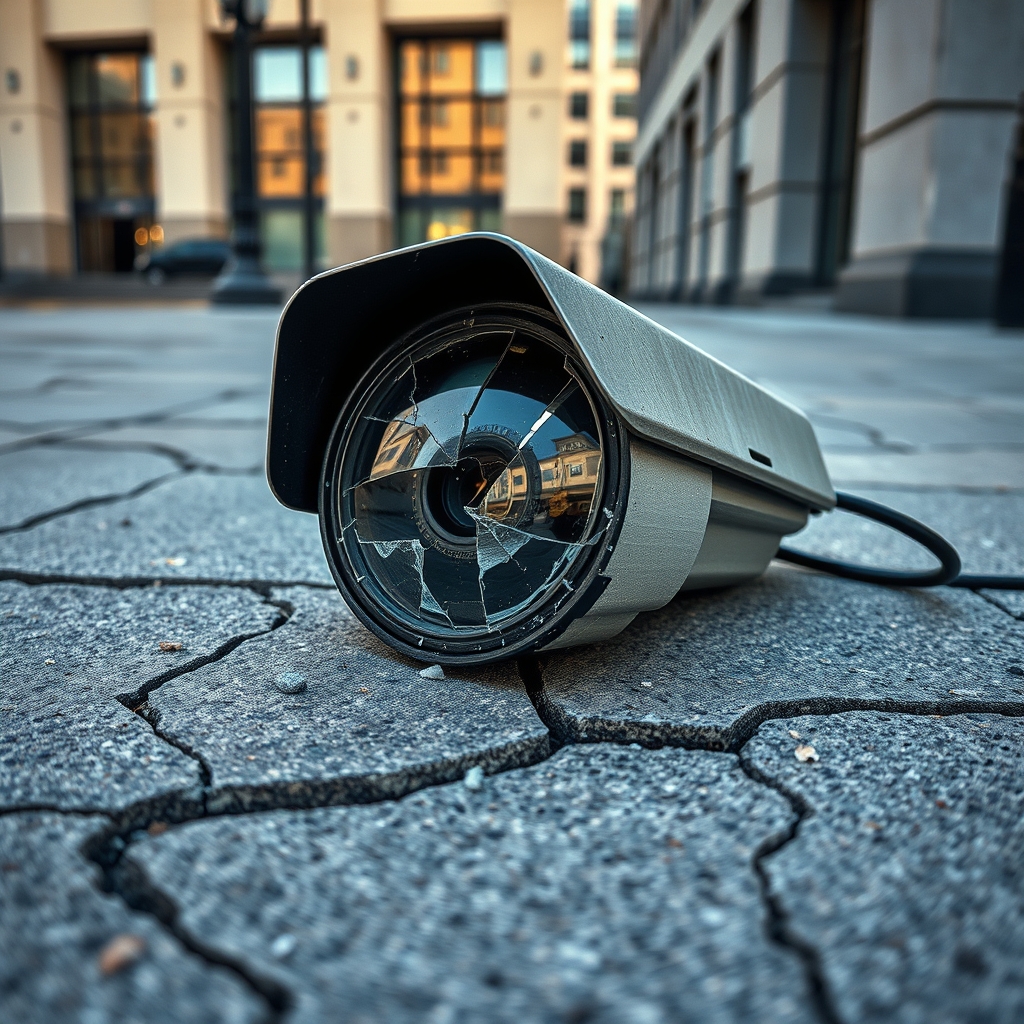
The resistance to Flock cameras is not limited to court challenges, as a Virginia man accused of destroying multiple Flock cameras has pleaded not guilty, arguing that mass surveillance violates individual rights, a stance that has been discussed in detail by The Washington Standard. This case, along with others, has brought attention to the issue of warrantless surveillance and the potential for abuse of technology like Flock cameras, which has been explored in articles about Flock Cameras Face SCOTUS challenges. The expiration of Section 702 of the Foreign Intelligence Surveillance Act (FISA) on June 12 has also raised concerns about government surveillance and the need for stricter regulations to protect individual privacy, an issue that is closely related to the Data Breach Exposes Biometrics scandal. As the debate over Flock cameras and mass surveillance continues, it is likely that the issue will remain a contentious one, with many arguing that the use of such technology is a violation of individual rights and freedoms.
As I reflect on the Flock Cameras Face Resistance issue, I firmly believe that the lack of transparency and oversight is the primary concern. My thesis is that without stricter regulations, the unchecked use of these cameras will continue to erode civil liberties. If nothing changes, it's clear that law enforcement and private companies will be the winners, gaining unparalleled access to surveillance data while citizens are left with diminished privacy rights. The balance between public safety and individual freedom is at risk, and it's imperative that we reexamine the use of Flock Cameras to ensure our rights are protected.
Cross-reference independently — do not take our word for it.
Disclosure: NewsAnarchist uses AI-assisted reporting with web search. Always verify primary sources linked above.
This article is produced by NewsAnarchist's AI reporting system, not a human staff reporter. It's built from the primary source cited above (a declassified document, a FOIA release, an inspector general or congressional report, or a named whistleblower disclosure reported by outlets we cite) and reports what that source states, attributed to it — it reports what the document or disclosure states and does not speculate about what remains classified beyond that. Part of our Government Secrets hub. Found an error? Tell us.