Facial Recognition Expands
UK shops launch facial recognition technology that instantly alerts police, raising civil liberties concerns

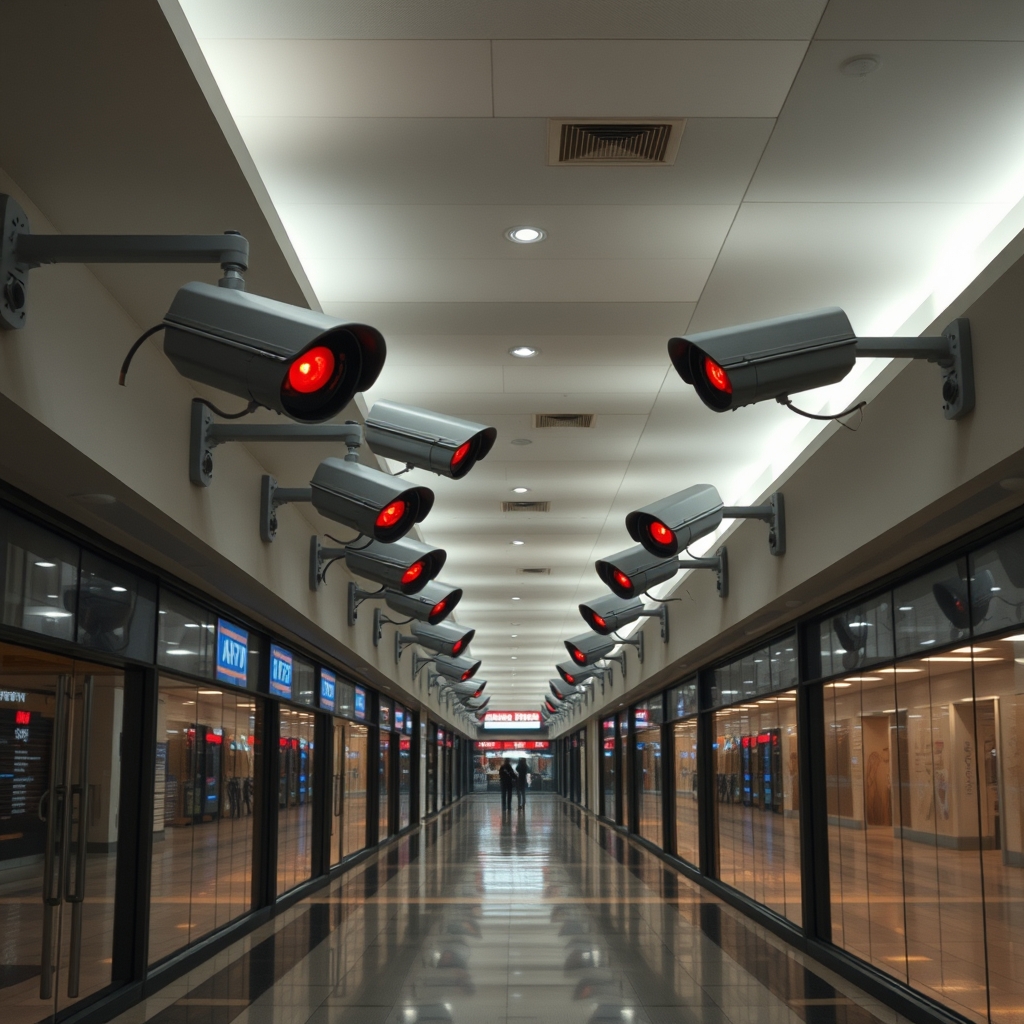
The expansion of facial recognition technology has raised concerns among civil liberties groups, as it is being increasingly used in various sectors, including law enforcement and private businesses. In the UK, the launch of facial recognition in shops has sparked alarm, with critics arguing that it could lead to mass surveillance, as reported by The Guardian. The technology, known as Facewatch, instantly alerts police to potential suspects, raising questions about the balance between security and individual privacy.
The use of facial recognition technology is not limited to the UK, as it is also being used by US immigration authorities, with the fulcrum reporting that ICE has been using the technology to analyze photos of individuals. This has led to concerns about the potential for abuse and the impact on free speech, with a recent lawsuit highlighting the need for greater oversight, as seen in the case of ICE Sued Over Free Speech. Meanwhile, tech companies such as Meta are exploring the use of facial recognition in smart glasses, with gizmodo reporting on the company's plans to integrate the technology into its products.
The increasing use of facial recognition technology has also led to concerns about the potential for mass surveillance, with some arguing that it could be used to target specific groups or individuals. This has led to calls for greater regulation and oversight, with some advocating for a New Data Bill to provide greater protections for individuals. The issue has also been linked to the revival of the NSA's Tailored Access Operations, as reported in NSA Revives TAO, highlighting the need for greater transparency and accountability in the use of surveillance technologies.
The use of facial recognition technology has significant implications for individual privacy and civil liberties, with some arguing that it could be used to undermine democratic values. As the technology continues to expand, it is likely that concerns about its use will only grow, highlighting the need for a nuanced and informed debate about the benefits and risks of facial recognition.
As I reflect on the expanding use of facial recognition technology, I firmly believe that our right to privacy is under siege. My thesis is that the unchecked growth of this technology will inevitably lead to a surveillance state where individual freedoms are severely curtailed. If nothing changes, it's clear that corporate interests and government agencies will be the winners, gaining unparalleled access to our personal lives and data. They will reap the benefits of increased control and profit, while the average citizen will be left to navigate a world where their every move is monitored and tracked.
Cross-reference independently — do not take our word for it.
Disclosure: NewsAnarchist uses AI-assisted reporting with web search. Always verify primary sources linked above.