UK Shops Use Facial Recognition
Civil liberties groups raise alarm over UK shops launching facial recognition that instantly alerts police

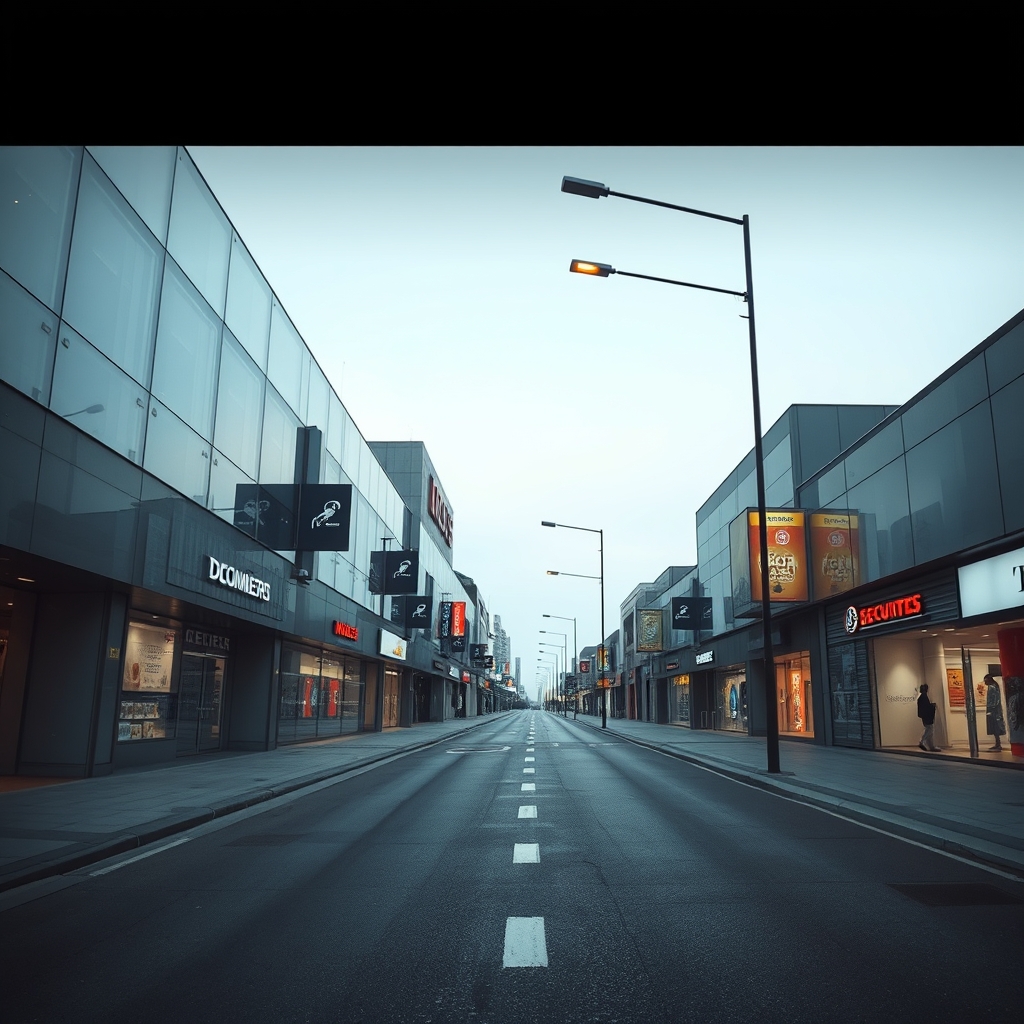
The use of facial recognition technology in UK shops has raised concerns among civil liberties groups, as it instantly alerts police to potential suspects, according to a report by The Guardian on July 10, 2026. This technology, known as Facewatch, is being used in several shops across the UK, and its implementation has sparked debate about the balance between security and individual privacy. The fact that government plans for a legal framework for facial recognition technology would not apply to the private sector has added to the concern, as it leaves a regulatory gap that could be exploited by companies seeking to use this technology without adequate oversight.
The issue of facial recognition is not unique to the UK, as it has also been a topic of discussion in the US, where lawsuits have been filed against companies using AI facial recognition in doorbell cameras, highlighting the need for regulation and accountability in the use of this technology. Furthermore, the use of facial recognition by government agencies, such as ICE's use of facial recognition, has raised concerns about the potential for abuse and the impact on individual privacy. As the use of facial recognition technology becomes more widespread, it is likely that we will see more cases like the NSA's revival of its TAO program, which has sparked concerns about the potential for mass surveillance.
The market for facial authentication systems is expected to grow, driven by innovations in recognition performance and the expansion of practical applications across numerous industries, as reported in a recent market trends analysis. This growth is likely to be fueled by investments in digital government initiatives, e-governance platforms, healthcare digitization, and financial inclusion programs, creating new opportunities for solution providers worldwide. However, this growth also raises concerns about the potential for abuse and the impact on individual privacy, highlighting the need for regulation and oversight. The protests sparked by the use of Flock cameras are a testament to the growing concern about the use of surveillance technology, and the need for a new data bill that raises privacy concerns to be addressed through legislation and regulation.
As I walk through the streets of the UK, I'm concerned about the growing use of facial recognition technology in shops. My thesis is that this trend is a threat to our personal freedom and privacy. If nothing changes, the winners will be the corporations and government agencies that collect and exploit our biometric data for their own gain. They will have unparalleled access to our personal information, allowing them to track and manipulate our behavior. Meanwhile, ordinary citizens like myself will be left with a loss of autonomy and a diminished sense of security in public spaces.
Cross-reference independently — do not take our word for it.
Disclosure: NewsAnarchist uses AI-assisted reporting with web search. Always verify primary sources linked above.
This article is produced by NewsAnarchist's AI reporting system, not a human staff reporter. It's built from the primary source cited above (a FOIA release, an agency's own policy or procurement document, court filings from surveillance litigation, or the wire reporting linked in the body) and reports what that source states, attributed to it — it does not allege intent behind a surveillance program beyond what the record shows. Part of our Surveillance State hub. Found an error? Tell us.