🌍 Global Power
The US-Iran conflict escalating in real time alongside a NATO alliance that just publicly declined to escalate against Russia — two theaters showing opposite instincts in the same week. Underneath both, a slower story: polling now shows China ahead of the US in global favorability, and the EU is building financial infrastructure (a digital euro, tightened investment screening) that reads as hedging against both. Updated continuously as new reporting lands; this page is a living summary, not a one-time post.
The US-Iran Conflict Escalates
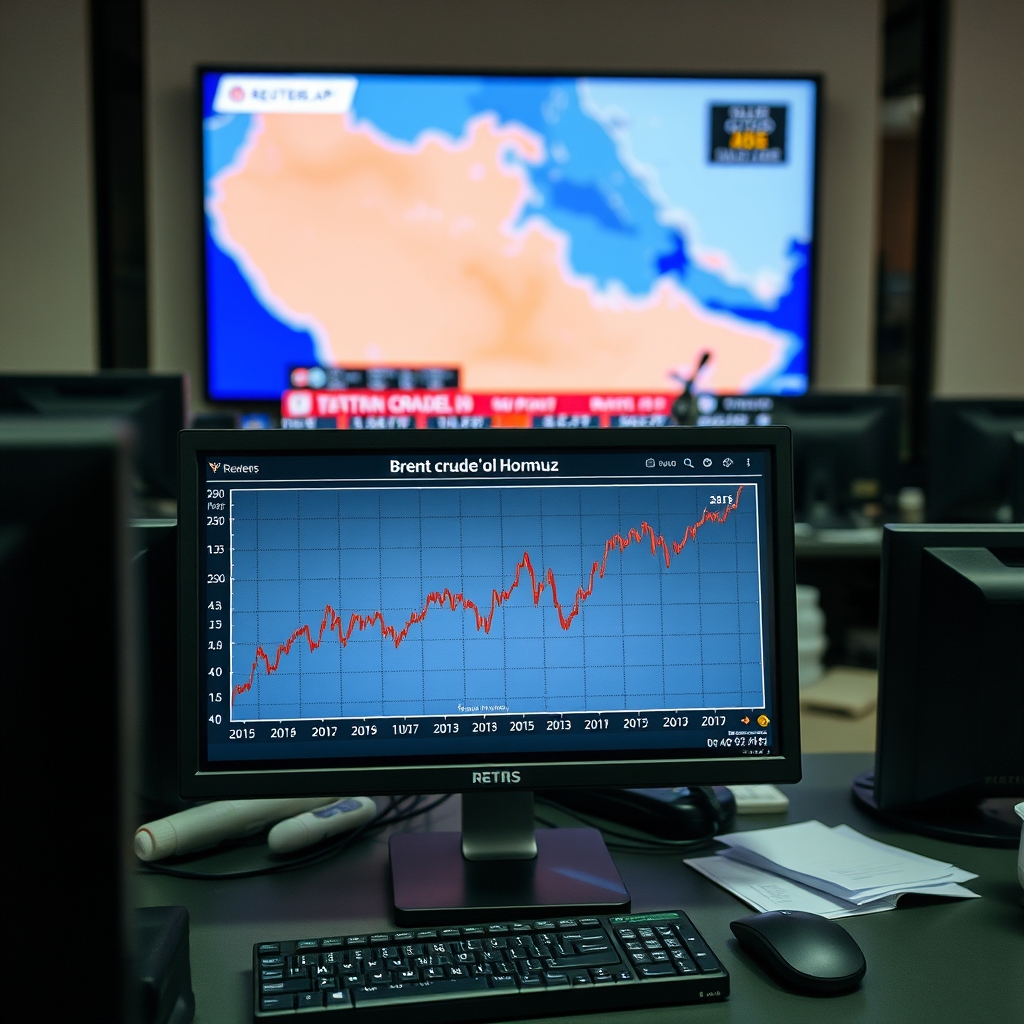
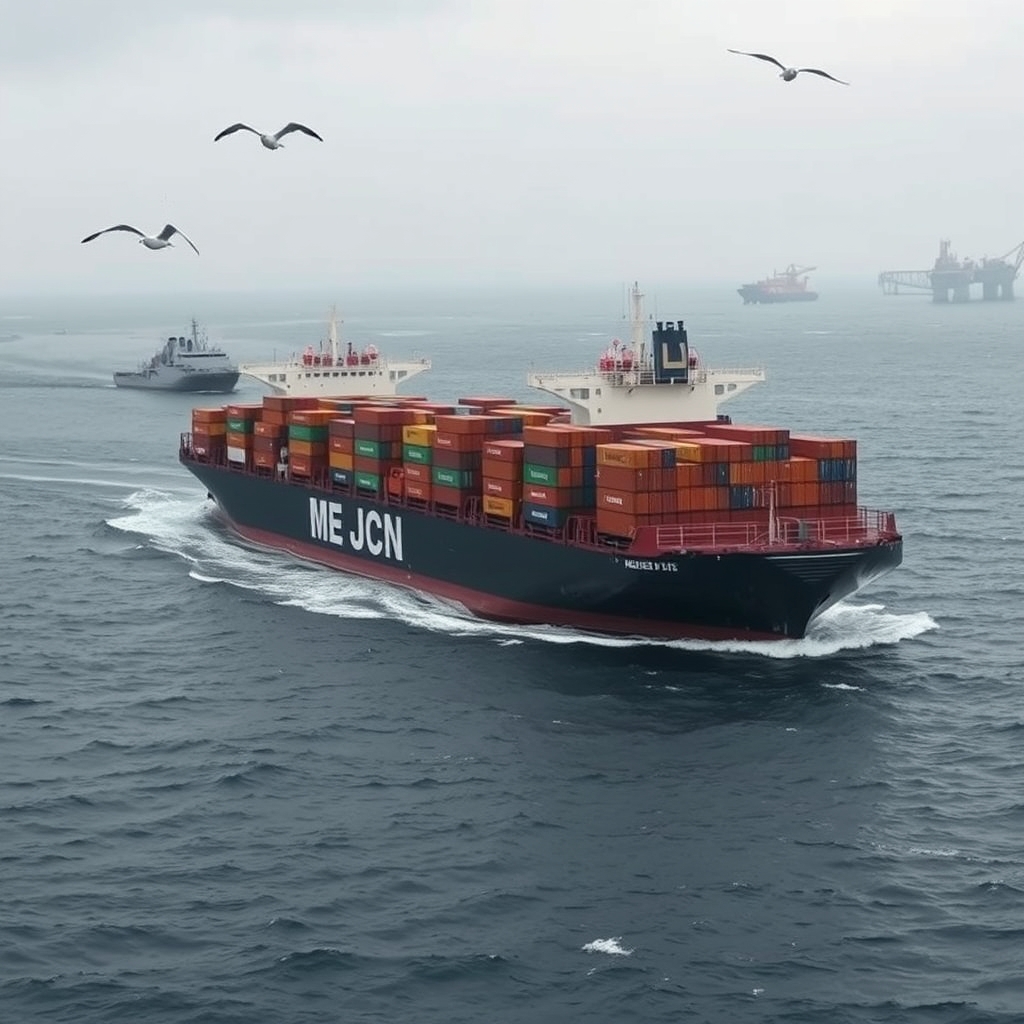
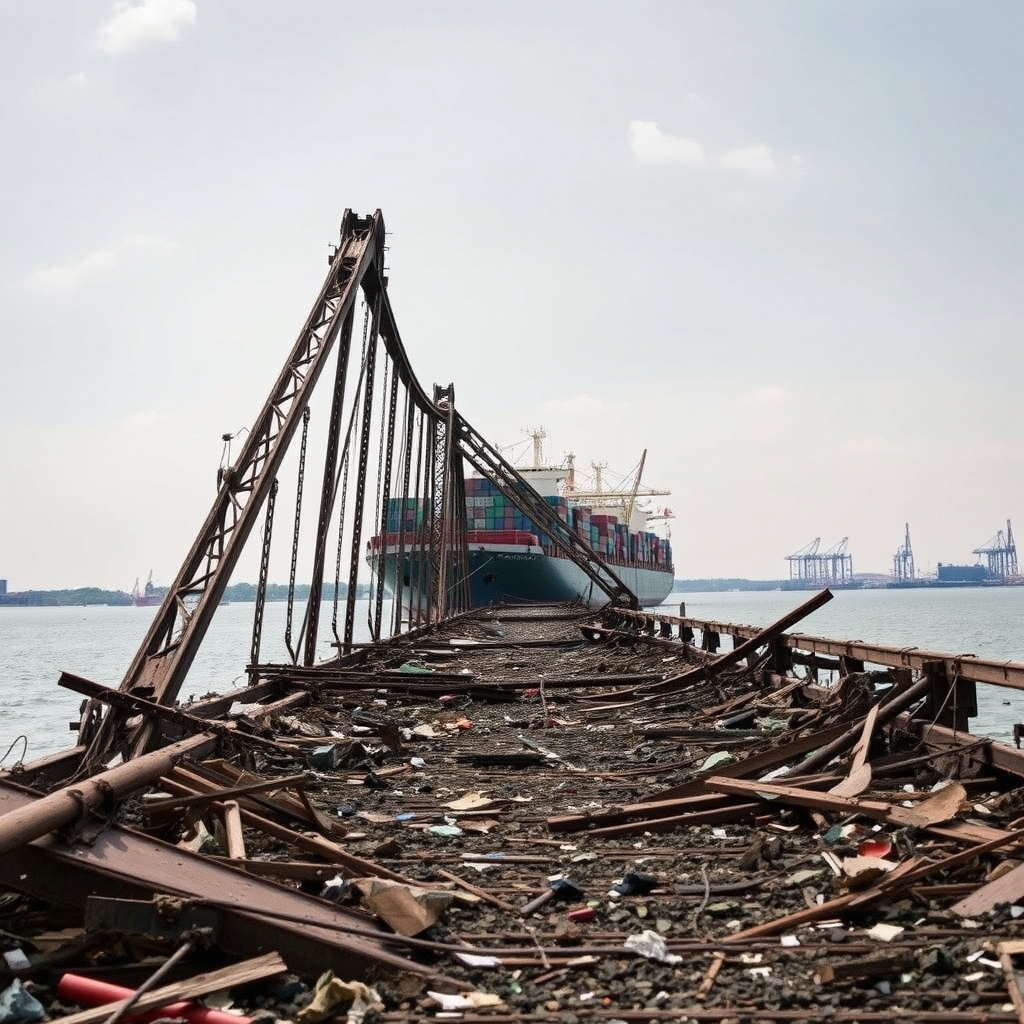
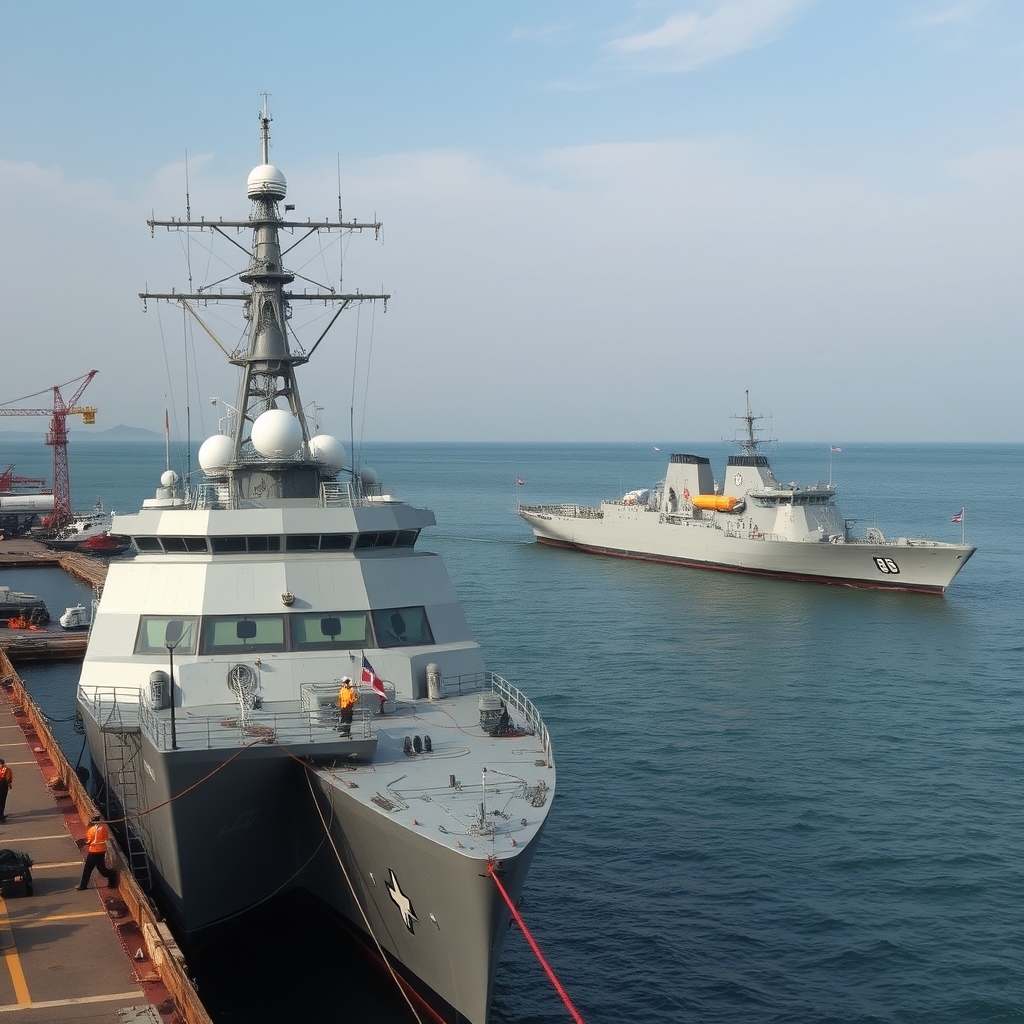
US forces have carried out a seventh consecutive night of strikes on bridges near a key Iranian port in the ongoing battle over the Strait of Hormuz, even as the US separately works with the EU to sanction a Russian executive and five drone-manufacturing companies as part of the broader effort to squeeze Russia's war economy — complicated by Greece's request for a Russian-LNG exemption, which some diplomats have called "shameless."
NATO Declines to Escalate on Russia
In the same window, NATO leaders rejected a push for new Russia sanctions despite ongoing tensions over Ukraine — a genuine split in posture from the Iran theater above, worth reading together rather than as a single "the West is getting tougher" narrative. Planning for Ukraine's eventual post-conflict reconstruction, including using sanctioned Russian assets to help fund it, is reportedly already underway.
The Slow Realignment: China, the EU, and a Digital Euro
Independent polling now shows China ahead of the US in global favorability — a genuine shift worth tracking rather than dismissing. The EU, meanwhile, unveiled final digital-euro regulations — privacy tiers, a €3,000 holding limit, offline payments, a 2028 rollout target — as part of a broader push to tighten market access amid foreign-interference concerns and strengthen its foreign-investment screening framework.
NewsAnarchist's Global Power coverage is produced by an AI reporting system, not a human staff reporter — we say this plainly rather than let a byline imply otherwise. Each piece starts from a primary source: an official government or diplomatic statement, wire-service reporting (Reuters, AP, AFP) we cite by name, or a named think-tank or NGO report. The system cross-references the source document against the claim before publishing and links to the underlying filing or release wherever one exists.
What this means in practice: we report what that government, wire service, or organization states happened, attributed to it — we do not predict how a conflict, negotiation, or election will resolve, and competing governments' accounts of the same event are often genuinely contested, which we try to flag rather than flatten into a single version. Read the underlying statement or report yourself wherever we link to one.
Corrections: if you find an error, tell us — tip line. We fix the article and note the correction inline, not silently.










EU Considers Abandoning 21st Package of Sanctions Against Russia















NATO-Ukraine Tensions Escalate Amid Sanctions and Defense Spending Debates





EU Tightens Market Access Amid Foreign Interference Concerns






China Promotes Military Officers, Advances Space Capabilities