China Surpasses US in Global Favorability
China is now viewed more favorably than the US, according to a new Pew survey

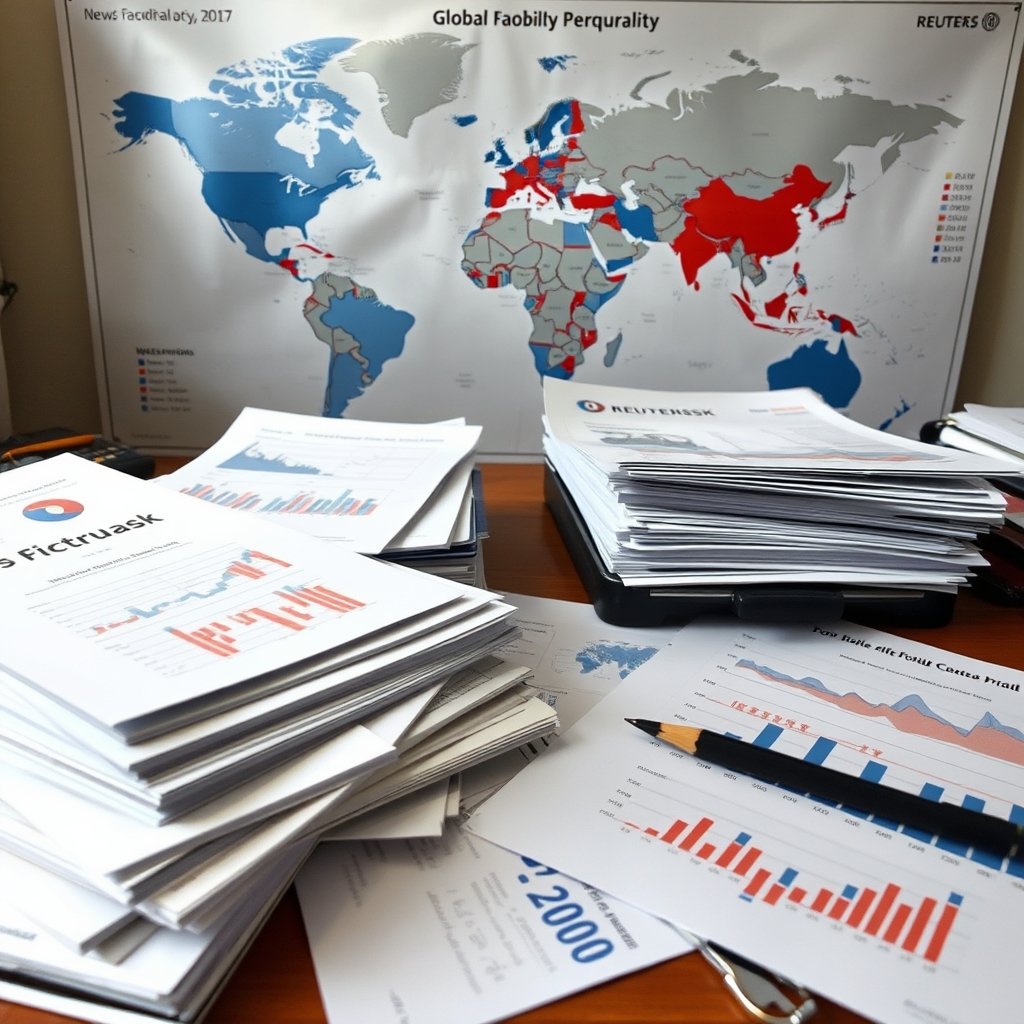
The shift in global favorability towards China over the US, as indicated by a recent Pew survey, marks a significant turning point in the geopolitical landscape, with China now viewed more favorably than the US, according to a report by Axios. This development can be attributed, in part, to the tensions between the US and its allies, as well as the unpredictable nature of US foreign policy, particularly under the Trump administration, which has been marked by incidents such as the expulsion of American correspondents from China, as documented on en.wikipedia.org. The US-China relations have been strained in recent years, with ongoing trade wars and diplomatic tensions, as covered by scmp.com, and this has likely contributed to the decline in US favorability.
The fact that China is now seen as a more predictable entity, despite being led by a major authoritarian figure in Xi Jinping, suggests that the global community is increasingly valuing stability and consistency in international relations, even if it means tolerating authoritarianism. This is particularly evident in developing countries, where China has been actively working to improve its image and expand its influence. The US, on the other hand, has been embroiled in conflicts such as the escalating US-Iran Conflict, which has likely further eroded its global standing. Furthermore, the US has also imposed sanctions on supporters of the IRGC, as reported in US Sanctions IRGC Supporters, and resumed its blockade on Iran, as detailed in US Resumes Blockade on Iran, which may have contributed to the perception of the US as an aggressive and unpredictable actor on the global stage.
The implications of this shift in global favorability are far-reaching, with potential consequences for US influence and credibility around the world. As China continues to expand its economic and diplomatic reach, the US may find itself increasingly isolated and struggling to maintain its position as a global leader. The US will need to reassess its foreign policy approach and work to rebuild its relationships with allies and partners if it hopes to regain its standing as a respected and trusted global actor. The ongoing tensions between the US and China, as well as the US's conflicts with other nations, will likely continue to shape the global landscape and influence the trajectory of international relations in the years to come.
Cross-reference independently — do not take our word for it.
Disclosure: NewsAnarchist uses AI-assisted reporting with web search. Always verify primary sources linked above.
This article is produced by NewsAnarchist's AI reporting system, not a human staff reporter. It's built from the primary source cited above (an official government or diplomatic statement, wire-service reporting (Reuters, AP, AFP) we cite by name, or a named think-tank/NGO report) and reports what that source states, attributed to it — it reports what that source states and does not predict how a conflict or negotiation resolves. Part of our Global Power hub. Found an error? Tell us.