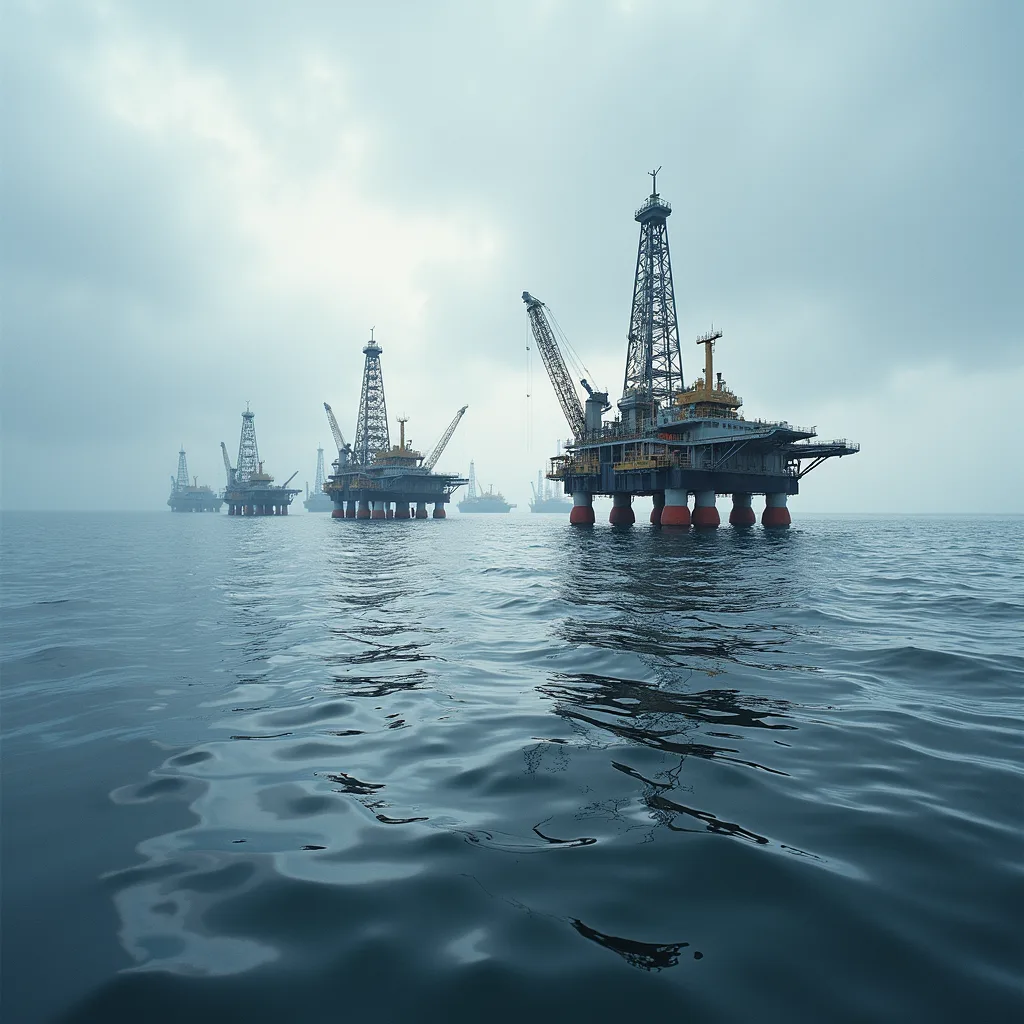
What they're not telling you: # UK Moves To Ban New North Sea Oil & Gas Licenses Permanently Britain's government is legislating a permanent ban on North Sea oil and gas exploration licenses, a move that simultaneously increases the nation's dependence on imported fossil fuels while ceding energy profits and jobs to foreign competitors. The UK government announced the ban as part of its Energy Independence Bill during the King's Speech, transforming Labour's 2024 campaign pledge into permanent legislation. The stated goal is positioning Britain as a "clean energy superpower" by 2030, yet the policy creates a paradox: while Britain forbids domestic drilling, three-quarters of its energy still comes from fossil fuels.

# THE TAKE: Britain's Performative Energy Exit The UK's permanent North Sea ban is geopolitical theater masquerading as climate leadership. London is shutting the door *after* extracting the wealth. North Sea fields will produce for decades—this legislation merely prevents *new* exploration, not existing operations. It's the energy equivalent of quitting smoking after the emphysema diagnosis. The real tell? Britain outsources its hypocrisy. While banning domestic licenses, it'll remain dependent on imported LNG—much of it from regimes with worse environmental records than Norwegian operators. Russian gas gets replaced with Qatari and American supplies, none requiring UK regulatory oversight. This plays brilliantly domestically: Green voters get symbolism. Oil majors get transition predictability. Labour avoids the "anti-business" label while appearing radical. Meanwhile, energy poverty accelerates across the Global South, and geopolitical leverage shifts eastward. It's not climate policy. It's managed decline dressed as principle.
What the Documents Show
The difference is that most are now imported, meaning the tax revenue, job creation, and economic benefits flow to other nations rather than staying in the UK economy. Scotland's oil and gas industry—historically vibrant—faces collapse under the ban, and critics argue the environmental calculus doesn't improve when energy simply gets sourced elsewhere. The timing reveals political fragility beneath the climate rhetoric. Since Labour took office, mounting pressure has forced ministers to defend a policy they're reluctant to fully champion. Rising oil prices following Iran conflict disruptions nearly doubled crude costs within a month, intensifying calls for the government to reconsider.
Follow the Money
Even as global demand surges, Norway—drilling in the identical North Sea zone—has responded by reopening three gasfields that had been mothballed for decades. The contrast is stark: while Britain legislates to abandon its own resources, its neighbor captures market opportunity and economic benefit. The ban represents a peculiar form of energy independence that achieves the opposite. By restricting domestic supply while remaining dependent on fossil fuels, Britain has surrendered negotiating leverage and exposed itself to global price volatility and supply shocks. The government hasn't explained how permanent prohibition improves national security when the result is increased reliance on foreign suppliers and refined imports. Energy independence typically means controlling your own resources; this policy instead guarantees British consumers will pay whatever foreign producers charge, while Scotland loses thousands of jobs tied to drilling and refining operations.
What Else We Know
For ordinary Britons, the consequences compound quietly. Higher energy costs from imported fuels, reduced tax revenue available for public services, and job losses concentrate in regions most dependent on extraction industries. The policy bakes into law a commitment made in campaign rhetoric, but the mainstream framing—focused on climate symbolism—omits the economic transfer occurring in real time: billions in potential tax receipts permanently redirected to Norway and other producers, and energy security ironically weakened despite claims otherwise.
Primary Sources
- Source: ZeroHedge
- Category: Global Power
- Cross-reference independently — don't take our word for it.
Disclosure: NewsAnarchist aggregates from public records, API feeds (Federal Register, CourtListener, MuckRock, Hacker News), and independent media. AI-assisted synthesis. Always verify primary sources linked above.