$150 Humanoid Robot House Cleaning Service Threatens To Undercut Maid Services

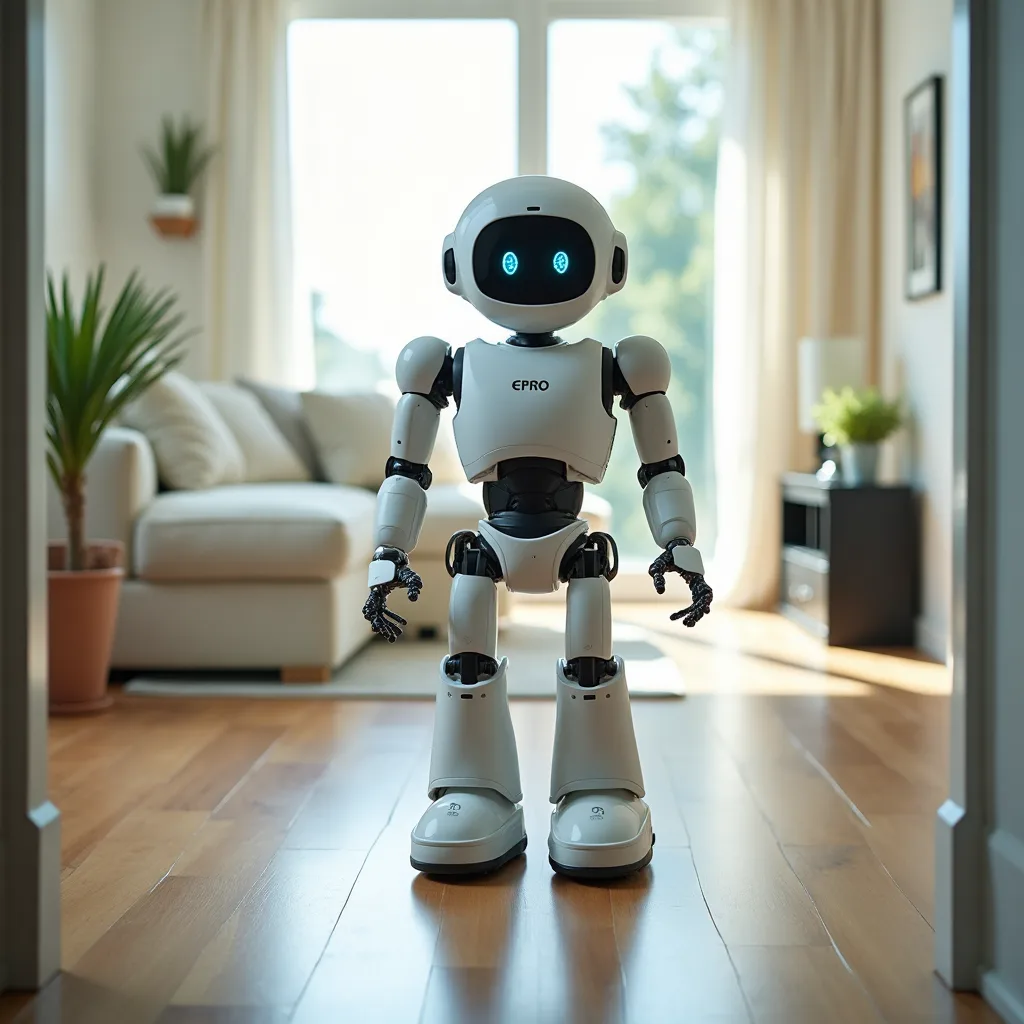
$150 Humanoid Robot House Cleaning Service Threatens To Undercut Maid Services
It's no secret that some humanoid robotics companies are training their machines for work on factory floors, while others are positioning their bots to enter homes in the coming years.
One of the first real signs of humanoids entering homes today is a new cleaning service in San Francisco that uses what appear to be Unitree humanoid robots trained to clean everything from floors and count
What the Documents Show
This is the first documented consumer deployment of its kind in the United States. The significance isn't the novelty—it's the price point and what it signals about what comes next. The professional cleaning market in America runs roughly $200 to $400 for a standard deep clean, with larger homes commanding $500 or more, according to Angi List data. The workforce performing this labor skews heavily toward migrant workers, many of whom lack formal employment status and bargaining power. Gatsby's $150 robot cleaning doesn't just undercut that market; it eliminates the human variable entirely.
Follow the Money
No worker's compensation claims. Humanoid robot shipments are expected to accelerate through the end of this decade, according to a UBS analyst note. The deployment sequence is transparent: factory floors first (where labor is already unionized or regulated), then warehouses and logistics hubs, then consumer markets. Each stage removes a layer of regulatory scrutiny. A robot replacing workers on a factory floor triggers OSHA oversight, union contracts, and documented employment records. A robot cleaning homes operates in the legally gray space between consumer products and labor displacement.
What Else We Know
What the Gatsby announcement obscures is the institutional void beneath it. There is no federal agency systematically tracking robot job displacement in service sectors. The Department of Labor does not require notification when automation eliminates a job category. State labor boards have no authority over machines. The FTC has opened zero investigations into anticompetitive labor displacement through automation. The SEC does not require robotics companies to disclose labor market impact in their filings.

The pattern here is regulatory capture in reverse: the government doesn't need to be corrupted when the rules simply don't exist yet. I find it striking that we have more detailed SEC disclosure requirements for stock buyback timing than we have labor impact reporting for technologies designed to replace entire occupational categories.
What this story reveals is an institutional failure to plan. The robotics boom isn't a surprise. The labor displacement isn't accidental. Yet no federal agency is mapping it, no Congress member is demanding transparency from manufacturers about deployment targets, and no administration has tasked regulators with measuring the income loss that will concentrate in service-sector workers—disproportionately women, immigrants, and workers without college degrees.
The beneficiaries are obvious: Unitree and competitors in the humanoid robotics space capture the entire $200-$400 market value that previously went to workers. Early capital holders in these companies compound gains as labor costs vanish from their unit economics. No executive has to negotiate with anyone. No lobbying is necessary because the regulatory architecture simply hasn't caught up.
Watch the next filing from any major robotics company. Demand that the SEC require disclosure of expected labor displacement by sector. Track which regulatory agencies Congress funds to study automation impact versus which ones they starve. The story isn't whether robots work—it's whether anyone in government is even measuring what happens next.
Primary Sources
- Source: ZeroHedge
- Category: Corporate Watchdog
- Cross-reference independently — don't take our word for it.
Disclosure: NewsAnarchist aggregates from public records, API feeds (Federal Register, CourtListener, MuckRock, Hacker News), and independent media. AI-assisted synthesis. Always verify primary sources linked above.
This article is produced by NewsAnarchist's AI reporting system, not a human staff reporter. It's built from the primary source cited above (a FOIA release, an agency's own policy or procurement document, court filings from surveillance litigation, or the wire reporting linked in the body) and reports what that source states, attributed to it — it does not allege intent behind a surveillance program beyond what the record shows. Part of our Surveillance State hub. Found an error? Tell us.