Russian Fuel Tanker Aborts Cuba Delivery After Drifting In Caribbean For A Month

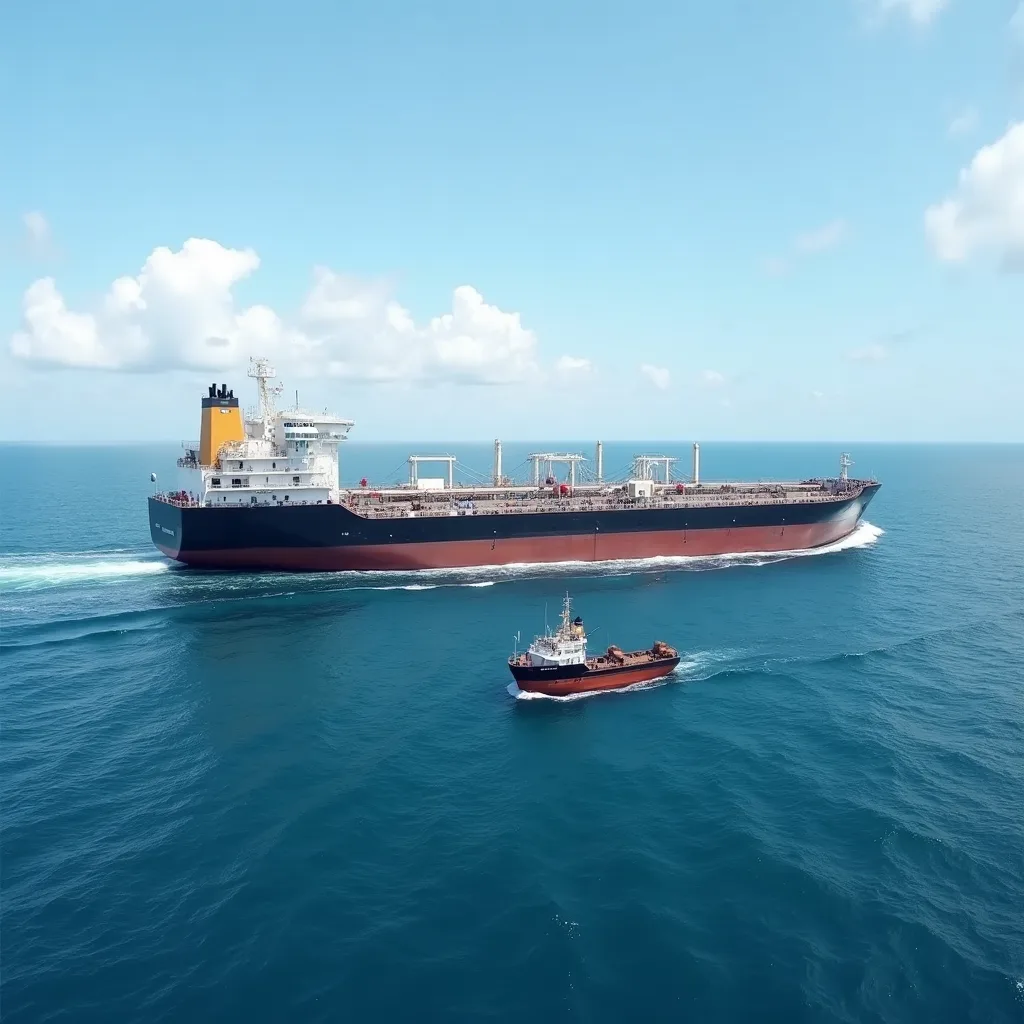
What they're not telling you: THE AMERICAN BLOCKADE OF CUBA JUST DEFEATED ITSELF—AND NOBODY'S TALKING ABOUT IT The Russian tanker Universal, carrying 270,000 barrels of diesel fuel and escorted by the Russian Black Sea Fleet frigate Admiral Grigorovich, has been forced to abandon its delivery to Cuba after drifting for nearly a month in the Sargasso Sea, unable to complete a journey that began in Russia's Baltic port of Vysotsk in April. This is not a story about Russian logistics failure. This is a story about the collapse of American sanctions architecture in the Western Hemisphere.
What the Documents Show
The Universal departed Vysotsk on April 6 under active Russian military escort through the English Channel—a precaution born from prior EU interdictions of sanctioned Russian vessels. The frigate Admiral Grigorovich shepherded the tanker into the Atlantic, signaling Moscow's determination to breach the fuel embargo suffocating Cuba. For weeks, the vessel moved through international waters toward the Caribbean, facing no overt military interdiction from US Navy assets despite Washington's explicit sanctions on both Russian shipping and Cuban imports. Instead, the tanker was simply denied transit permission—a passive enforcement mechanism that appears to have collapsed under its own contradictions. As of last week, the Universal's destination shifted to "For Order," maritime industry terminology meaning the vessel is in holding pattern awaiting routing instructions.
Follow the Money
The ship has now turned southward toward Brazil, abandoning the Cuba run entirely. US officials will frame this as sanctions success. What actually happened is that Washington demonstrated it cannot physically enforce its own blockade without military escalation it refuses to undertake. Cuba's fuel crisis has deepened throughout 2024. Rolling blackouts plague Havana; fuel shortages have crippled transportation networks; the island's population endures conditions unseen since the early 1990s Soviet collapse. The regime's survival depends on energy supplies.
What Else We Know
Russia—historically Cuba's primary fuel source after the Soviet Union's dissolution—attempted to restore that lifeline. The US sanctions regime, unilaterally imposed and internationally contested, was supposed to prevent exactly this scenario. What we're actually seeing is the operating frontier of American power in its own hemisphere. The Universal was not sunk. It was not even visibly challenged by US naval forces. Instead, it was administratively denied port access and left to drift.

The narrative you're hearing—sanctions work, American power is intact, the hemisphere is secure—obscures what I find striking: the US had to *not fight* to enforce its own embargo. That's not victory. That's the visibility of constraint.
What this reveals about larger patterns of institutional failure is straightforward. American sanctions architecture relies on three layers: unilateral legal declaration, multilateral economic cooperation, and implicit military backing. When Russia tested the third layer in April, Washington declined engagement. The EU had already broken the second layer through energy necessity. This leaves only the first—declarations of law that other nations simply ignore. Brazil's willingness to receive rerouted Russian fuel shows how quickly that layer crumbles when tested by mid-power states unafraid of Washington.
Who benefits from the official narrative? The State Department benefits because it can claim sanctions efficacy without exposing the gaps in enforcement capacity. Russia benefits because it proves the blockade is permeable to determined actors with military capacity. The real loser is American credibility in its own hemisphere—a credibility that matters far more than one failed fuel delivery to Cuba.
Watch what Brazil does with that tanker. If Brasília negotiates openly with Moscow for the fuel contract, you're seeing the Western Hemisphere's balance of power shift in real time. Demand clarity: can the US Navy actually enforce its own sanctions, or has it outsourced enforcement to administrative theater? That distinction matters for every small nation considering whether American economic pressure actually carries teeth.
Primary Sources
- Source: ZeroHedge
- Category: Global Power
- Cross-reference independently — don't take our word for it.
Disclosure: NewsAnarchist aggregates from public records, API feeds (Federal Register, CourtListener, MuckRock, Hacker News), and independent media. AI-assisted synthesis. Always verify primary sources linked above.