Second Chinese 'Combat' Patrol Buzzes Taiwan Within Days, On Heels Of Xi-Trump Summit

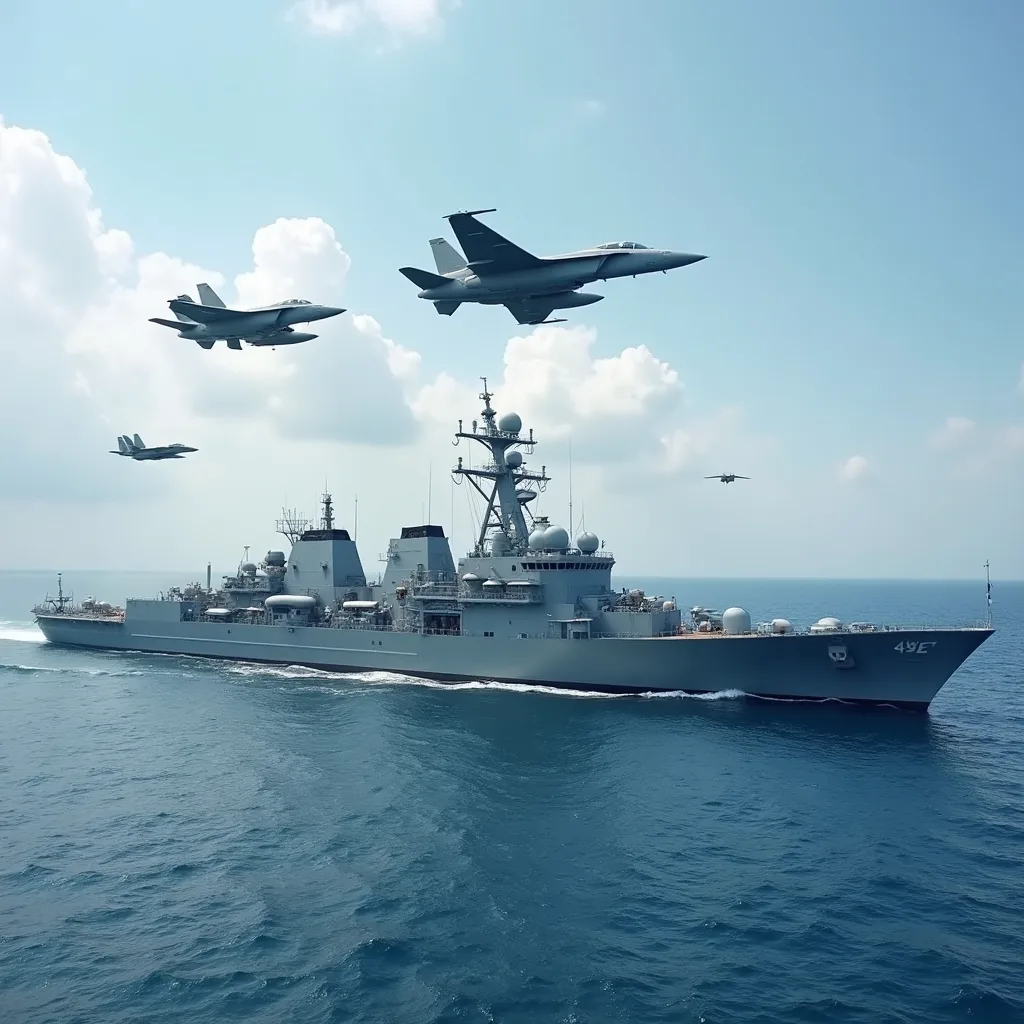
What they're not telling you: FOLLOW THE MONEY: Taiwan Weapons Sales and the Strategic Choreography of Geopolitical Tension The Trump administration is allowing a $14 billion weapons package to Taiwan to proceed precisely as China stages its largest military maneuvers near the island in years—a timing arrangement that raises hard questions about who profits when security crises intensify. This is not coincidence. On Tuesday, Taiwan's Ministry of National Defense reported 29 Chinese aircraft and seven warships conducting what Beijing termed a "joint combat readiness patrol" around the island—the second such operation in seven days, both occurring in the immediate aftermath of Trump's Beijing summit with Xi Jinping.
What the Documents Show
The stated rationale from Taipei's National Security Council secretary Joseph Wu: China is demonstrating "unprovoked" aggression and serving as "the sole source of instability in the Indo-Pacific." But the sequence matters more than the rhetoric. China held up a Pentagon visit by Elbridge Colby, the under-secretary of defense for policy, explicitly to pressure Trump over the Taiwan weapons package. The Pentagon official never arrived. The weapons package moved forward anyway. Then, within days, China executed its largest coordinated military exercise near Taiwan since the summit concluded.
Follow the Money
Wu's framing omits the structural incentive: when Taiwan's security appears threatened, approval and delivery of U.S. weapons systems becomes politically effortless. The $14 billion figure warrants scrutiny. Defense contractors including Raytheon Technologies, Lockheed Martin, and General Dynamics stand to capture significant portions of this contract if systems are delivered. These same firms employ dozens of former Pentagon officials as consultants and board members—a revolving door that ensures institutional alignment between military procurement timelines and corporate revenue forecasts. When geopolitical temperature rises, so does the urgency of weapons transfers.
What Else We Know
When weapons transfers face resistance, strategic military provocations nearby can reset political calculations in Washington. Taiwan's military is now on "high alert," dispatching ships and fighter jets to monitor Chinese operations. This is appropriate defensive posture. What deserves examination is whether U.S. policy actively manages the cadence of Chinese provocations and American weapons sales as complementary market dynamics rather than responding to them as separate events. Joseph Wu's statements frame China as the aggressor.

What I find striking is how neatly the institutional incentives align. China performs a provocative military exercise. Taiwan requests weapons. U.S. contractors have products ready for sale. Pentagon officials who approve the sales move seamlessly into private sector consulting roles where they advise those same contractors. And the cycle repeats because no one in the American policy apparatus has structural incentive to break it.
This pattern reveals something larger about how modern geopolitical risk is monetized. Defense contractors don't manufacture national security crises—they don't need to. They simply ensure their products remain relevant to every crisis that emerges, real or exaggerated. The beneficiaries are executives who see recurring revenue, consultants who fill the revolving door between government and industry, and Pentagon officials who approve contracts knowing private sector boards await.
What you should understand: every weapons sale exists within a market structure where the seller profits from threat perception, not threat resolution. Watch whether the $14 billion Taiwan package is delivered rapidly (profitable) or delayed (keeps threat perception active for future approvals). Either outcome serves the same constituency.
Primary Sources
- Source: ZeroHedge
- Category: Corporate Watchdog
- Cross-reference independently — don't take our word for it.
Disclosure: NewsAnarchist aggregates from public records, API feeds (Federal Register, CourtListener, MuckRock, Hacker News), and independent media. AI-assisted synthesis. Always verify primary sources linked above.