Taiwan Defense Chief Contradicts Trump On Enormous Arms Package Moving Forward

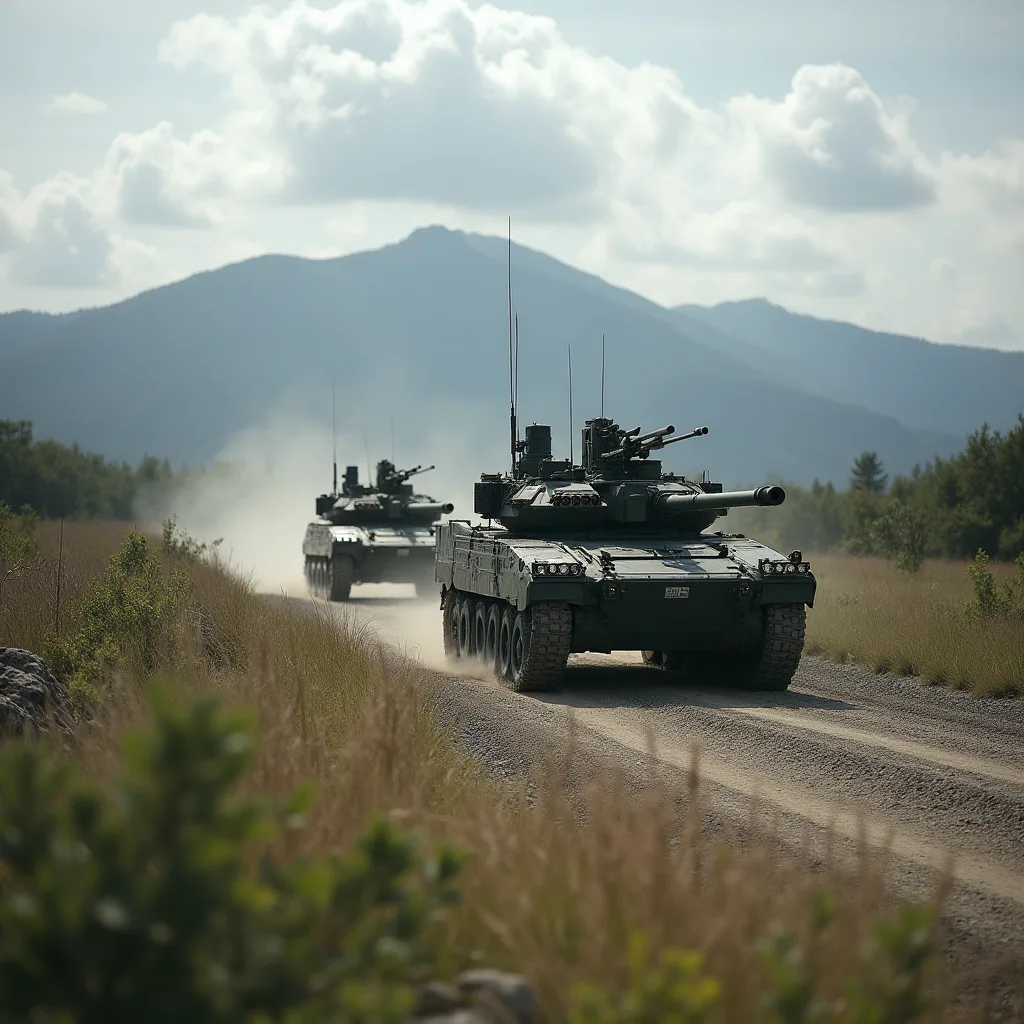
What they're not telling you: The $14 Billion Taiwan Arms Deal Is Now a Negotiating Chip—And Nobody's Asking Who Actually Gets Paid The U.S. government is treating a $14 billion weapons package to Taiwan as a bargaining tool in its relationship with China, even as senior defense officials publicly contradict each other about whether the sale will proceed. Acting Navy Secretary Hung Cao told Congress last week that the Pentagon is "doing a pause" on Taiwan's massive arms request to prioritize munitions for what the military calls "Epic Fury"—the ongoing U.S.-Israeli operations against Iran.
What the Documents Show
That statement should have ended the question: the deal is frozen. But Taiwan's Defense Minister Wellington Koo Li-hsiung contradicted Cao on Monday, saying he remains "cautiously optimistic" the package will move forward because Taiwan received "no notification" of any policy change. Meanwhile, President Trump has suggested the $14 billion sale could function as leverage in negotiations with China's Xi Jinping, who recently warned the U.S. president that mishandling Taiwan could trigger "clashes and conflicts" between superpowers. Three senior officials.
Follow the Money
Three different understandings of the same transaction. That contradiction is the real story—and it reveals how defense procurement has become an instrument of executive diplomacy, with no clear beneficiary except the contractors waiting to know whether they're building weapons or not. The timeline matters for understanding who benefits from this uncertainty. In December, the Trump administration fast-tracked an $11 billion Taiwan arms package—more than the entire Biden administration approved over four years. That decision triggered immediate Chinese military exercises simulating a blockade of Taiwan. Now, with a $14 billion package in limbo, Beijing is reportedly preparing similar drills.
What Else We Know
The weapons themselves haven't changed. Taiwan's defensive needs haven't changed. But their status has shifted from security commitment to diplomatic currency. Here's what the mainstream coverage misses: we don't know which defense contractors are actually positioned to fulfill this $14 billion order, what their lobbying expenditures look like, or how many jobs in which congressional districts depend on these sales moving forward. The Reagan National Defense Forum, where senior Pentagon officials court weapons manufacturers, isn't where this gets decided anymore—it's decided in back channels between the White House and Beijing. Cao's public statement about munitions priorities for Iran operations may be entirely accurate, but it's also a useful cover story for a decision that was actually made based on geopolitical positioning.
Primary Sources
- Source: ZeroHedge
- Category: Corporate Watchdog
- Cross-reference independently — don't take our word for it.
Disclosure: NewsAnarchist aggregates from public records, API feeds (Federal Register, CourtListener, MuckRock, Hacker News), and independent media. AI-assisted synthesis. Always verify primary sources linked above.