US Conducts New Strikes In Iran Around Hormuz Strait After Drone Intercepts

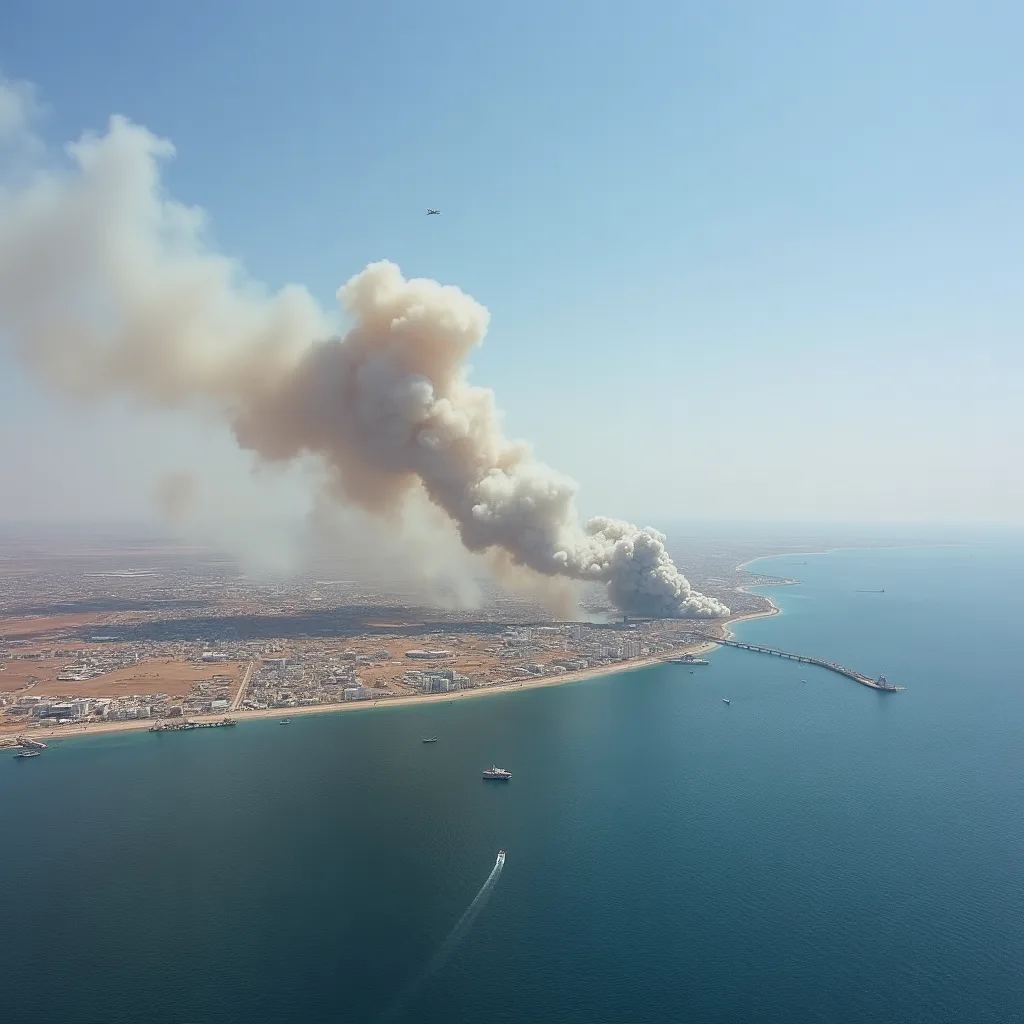
What they're not telling you: THE AMERICAN ESCALATION SPIRAL: US STRIKES IRAN AFTER DRONE INTERCEPTS AS ECONOMIC WARFARE REPLACES DIPLOMACY The United States military has resumed direct strikes inside Iran, targeting what Washington claims were Iranian drones launched toward American forces and commercial shipping near the Strait of Hormuz—a critical chokepoint through which roughly 21 percent of global petroleum trade passes daily. According to Reuters reporting confirmed by American officials, the strikes followed an Iranian drone intercept operation in the early Thursday hours. CENTCOM assessed the targeted Iranian military site as posing a direct threat to both U.S.
What the Documents Show
personnel and the commercial vessels navigating the Hormuz corridor. Three explosions were reported east of Bandar Abbas, Iran's major naval base, around 1:30 a.m. local time, according to Iran's Fars News Agency. What matters here is the sequence: Iran launched drones, the U.S. intercepted them, then the U.S.
Follow the Money
conducted retaliatory strikes. This is not defensive action—this is kinetic response to a probing action. CENTCOM's own assessment reveals the deeper calculation: "Clearly the Iranians are trying to hedge their bets here and put more pressure on the US." Translation: Iran is testing American resolve while maintaining a negotiating position it knows is deteriorating. The White House, meanwhile, has drawn a hardline. Trump stated flatly in a cabinet meeting that Iran would receive no sanctions relief unless it surrendered enriched uranium stockpiles. The language was brutally clear: "Iran negotiating on fumes." The administration rejected what it called a "complete fabrication" of Iranian claims regarding a memorandum of understanding or draft agreement status.
What Else We Know
Tehran's media had suggested negotiations were progressing; Washington's response was categorical denial. This is the rhetoric of an administration that has determined the Iranian government lacks leverage—and believes time is on America's side. The Iranian response reveals Tehran understands this too. President Raisi reframed the conflict explicitly: "The main battleground today is the economic war." This is not rhetorical posturing. Iran has watched its currency collapse, its oil exports strangled by American sanctions architecture, its airports damaged and only recently reopened (20 of them now back online after American strikes). The IRGC's threat to "turn the area from Chabahar to Mahshahr into a graveyard for aggressors" is bravado masking a state under genuine economic siege.

Washington is betting that Iran will collapse before it retaliates, and the pattern here is that America's institutional confidence in this calculation is accelerating military escalation.
What strikes me about this sequence is how completely it inverts the stated American preference for negotiation. The White House rejected Iranian diplomatic overtures while simultaneously striking Iranian military targets. This is not mixed messaging—it is policy coherence. The institution believes Iran has exhausted its options. Tehran's currency is worthless, its oil cannot be sold, and now even a defensive drone intercept triggers American bombing.
The larger pattern I find striking is that economic warfare has replaced diplomacy entirely. SWIFT exclusions, currency strangulation, and oil embargo function as slower methods of achieving what military strikes accomplish faster. The two are now operating in sequence: economic asphyxiation, followed by kinetic punctuation when the target shows signs of resistance. This is the architecture of maximum pressure without the institutional restraint that negotiation implies.
Who benefits? The American military-industrial apparatus, which receives legitimacy for expanded operations. Regional allies—Saudi Arabia, the UAE, Israel—who gain Washington's security guarantee as long as Iran remains contained. And oil markets, where constrained Iranian supply keeps prices elevated.
Watch for whether Iran retaliates against American targets or restrains itself. If restraint holds, you're watching a state choose economic death over military confrontation. That is the definition of capitulation.
Primary Sources
- Source: ZeroHedge
- Category: Global Power
- Cross-reference independently — don't take our word for it.
Disclosure: NewsAnarchist aggregates from public records, API feeds (Federal Register, CourtListener, MuckRock, Hacker News), and independent media. AI-assisted synthesis. Always verify primary sources linked above.