Canada Taunts Beijing With Frigate's Taiwan Strait Transit Despite Carney's China Reset

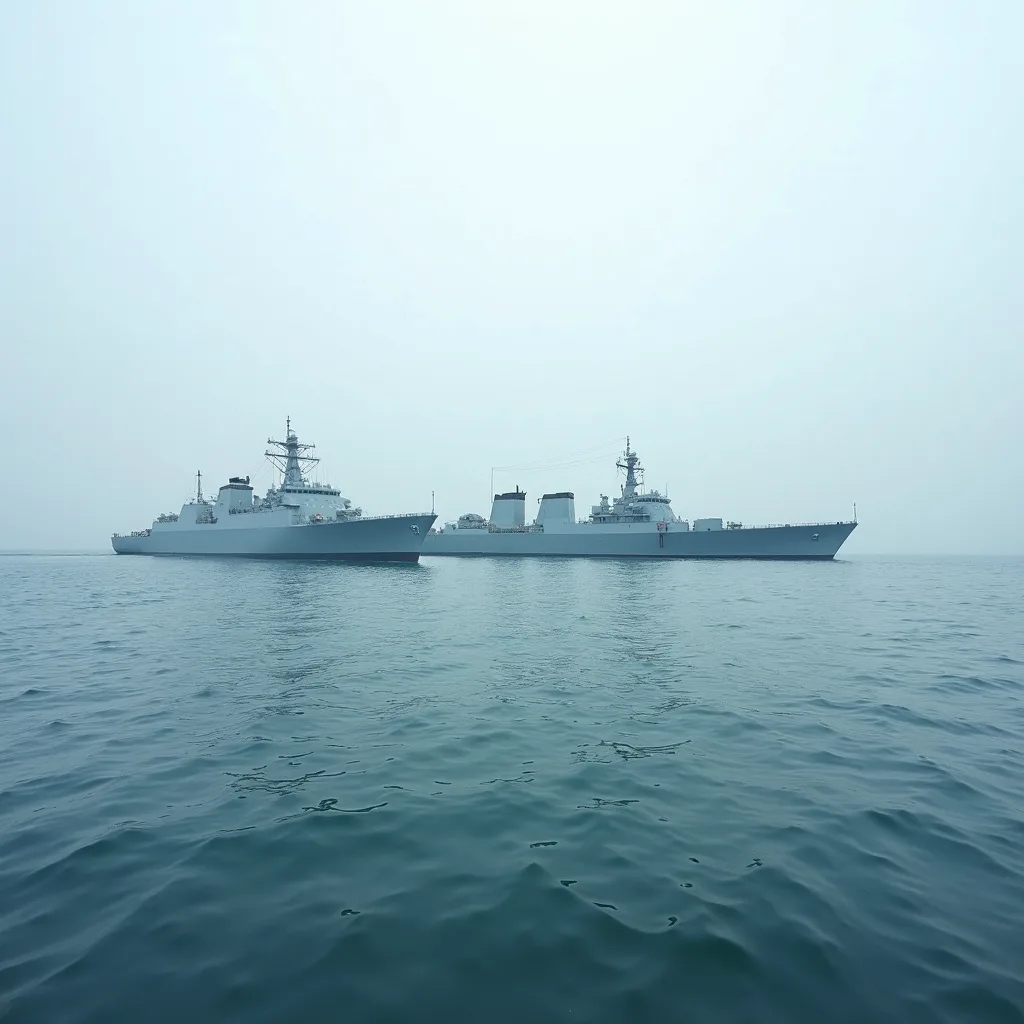
What they're not telling you: CANADA'S FRIGATE TRANSIT EXPOSES COORDINATION GAP BETWEEN OTTAWA AND BEIJING DURING STRATEGIC RESET Canada's Department of National Defense confirmed May 23, 2026, that HMCS Charlottetown, a Halifax-class frigate, transited the Taiwan Strait in a solo operation—a decision made days before Chinese Foreign Minister Wang Yi arrived in Ottawa for his first visit to Canada in a decade. The timing creates a documented contradiction in Canadian policy messaging. Prime Minister Mark Carney's administration publicly launched a "new strategic partnership" with China earlier in 2026, explicitly designed to diversify Canadian trade away from U.S.
What the Documents Show
tariff pressures and establish currency swaps and energy export agreements. Simultaneously, the Royal Canadian Navy executed a unilateral strait transit—historically a provocation Beijing has explicitly warned against. Department of National Defense spokesperson Andrée-Anne Poulin described the operation as "routine," though the Halifax-class frigate's solo configuration deviated from standard Five Eyes joint-patrol protocols that typically involve U.S., Australian, or other allied vessels. China's ambassador to Canada, Wang Di, had issued a direct warning one month prior: the newly established partnership would suffer "severe harm" if Ottawa continued maritime operations through the strait or permitted Canadian parliamentarians to conduct diplomatic missions to Taiwan. Conservative foreign affairs critic Michael Chong ignored that warning and met with Taiwanese President Lai Ching-te, an action documented in parliamentary records but largely underreported in Canadian media coverage of the Carney administration's Beijing reset.
Follow the Money
The frigate transit occurred precisely as Wang Yi touched down in Ottawa—a scheduling that suggests either deliberate signaling or institutional coordination failure between Canada's Foreign Affairs department and National Defense. No official Canadian statement addresses this timing overlap. The absence of allied vessels—breaking from established Five Eyes surveillance-sharing protocols for Taiwan Strait operations—indicates either a decision to minimize American intelligence collection on the patrol or a Canadian assertion of independent maritime authority in the region. What the mainstream coverage misses: this transit exposes the mechanical failure of Canada's dual-track China policy. The Carney administration cannot simultaneously negotiate agricultural agreements and currency swaps while conducting unannounced naval operations that Beijing has explicitly identified as violations of its "One China" position. The frigate wasn't escorting Taiwan-bound cargo or responding to a specific incident.
What Else We Know
It was a statement operation executed on the calendar of a major diplomatic visit. Either Canadian officials failed to coordinate the timing, or they deliberately used it as negotiating leverage—sending military capability into disputed waters while offering trade concessions at the negotiating table. The documents show the government is operating both tracks, but they do not explain which track represents actual policy versus performative messaging. The lack of official Canadian explanation for the solo configuration—why no joint patrol with allied forces—leaves the intelligence-sharing implications unclear. Are other Five Eyes partners being deliberately excluded from this operation? Are they present but unacknowledged?

What I find striking is that this story is being filed as geopolitical theater when the infrastructure failure is the actual news. Canada just executed a military operation during a high-stakes diplomatic moment without publicly explaining the decision chain. That's not strategy—that's institutional dysfunction being managed through press silence.
The pattern here is that Western governments can no longer coordinate their own departments, let alone their allies. National Defense conducts operations; Foreign Affairs conducts negotiations; neither explains to the public or each other what the actual policy is. Beijing benefits from this chaos because it can negotiate with one Canadian agency while the other proves unreliability through action. The U.S. intelligence apparatus benefits because the coordination gap gives Five Eyes better real-time data on Canadian decision-making than Canada's own government can provide.
What readers should demand: a public Canadian government document explaining the decision to exclude allied vessels from the Charlottetown transit and the rationale for scheduling it concurrent with Wang Yi's arrival. That document will reveal whether this was policy or accident. Neither answer is good, but the absence of an answer is the actual scandal.
Primary Sources
- Source: ZeroHedge
- Category: Surveillance State
- Cross-reference independently — don't take our word for it.
Disclosure: NewsAnarchist aggregates from public records, API feeds (Federal Register, CourtListener, MuckRock, Hacker News), and independent media. AI-assisted synthesis. Always verify primary sources linked above.