NSA was forced to release 334 pages of TOP SECRET UMBRA UAP documents after losing a FOIA appeal. They fought to keep them hidden for 46 years.

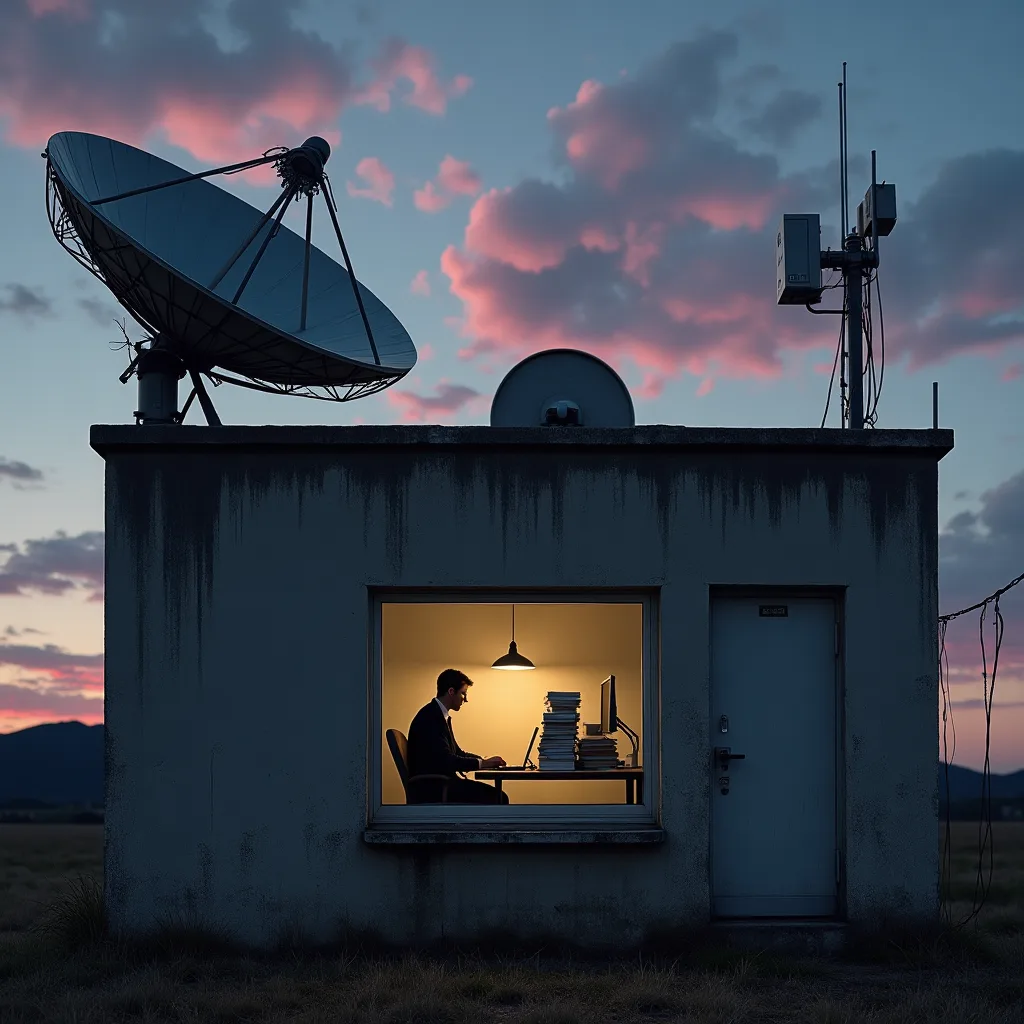
What they're not telling you: NSA Lost 46-Year FOIA Fight Over Soviet Airspace UAP Documents—And Forced Disclosure Reveals What It Wanted Hidden The National Security Agency fought a legal appeal by the Disclosure Foundation and lost, resulting in the release of 334 pages of TOP SECRET UMBRA–classified documents describing a 1979 incident in Soviet airspace involving multiple unidentified aerial phenomena tracked at extreme altitudes over a single night. According to the released material, the NSA initially denied the FOIA request entirely. The Disclosure Foundation pursued a legal appeal, ultimately compelling the agency to declassify and release the documents after nearly five decades of withholding them.
What the Documents Show
The specificity of what came out raises questions about why institutional pressure—not voluntary transparency—was required to make information available to the public and Congress. The documents describe a single incident: 1979, Soviet airspace. Ten unidentified objects tracked at altitudes between 66,000 and 85,300 feet. Twelve more at 10,000 to 15,000 feet. Seven moving slowly westward across the region.
Follow the Money
A thirteenth cluster at 88,000 feet. The presence of these objects was significant enough that MiGs were scrambled in response—an operational detail that appears in the released material but has not been widely amplified in mainstream coverage. What makes this disclosure significant is not the phenomena itself, but the institutional behavior surrounding it. The NSA did not volunteer this information. It resisted release for 46 years. Only when the Disclosure Foundation invested resources into a legal appeal did the classification hold break.
What Else We Know
This pattern—initial denial, legal pressure, eventual release—is not unique to this case. It reflects a documented pattern of information control at the agency level that has persisted across administrations and decades. The documents are now public. The contents—multiple objects at operationally significant altitudes, enough to trigger fighter interception protocols—suggest this was treated as a matter of strategic significance at the time of collection. Whether those objects were classified foreign technology, sensor artifacts, natural phenomena, or something else remains unestablished by the source material. But the fact that establishment of this record required litigation rather than routine declassification review indicates something about how these institutions manage information: they control release through resistance, not through transparent process.
Primary Sources
- Source: r/conspiracy
- Category: Unexplained
- Cross-reference independently — don't take our word for it.
Disclosure: NewsAnarchist aggregates from public records, API feeds (Federal Register, CourtListener, MuckRock, Hacker News), and independent media. AI-assisted synthesis. Always verify primary sources linked above.