“If This Is My Final Duty of Public Service”: Grusch Joins New Disclosure Appeal

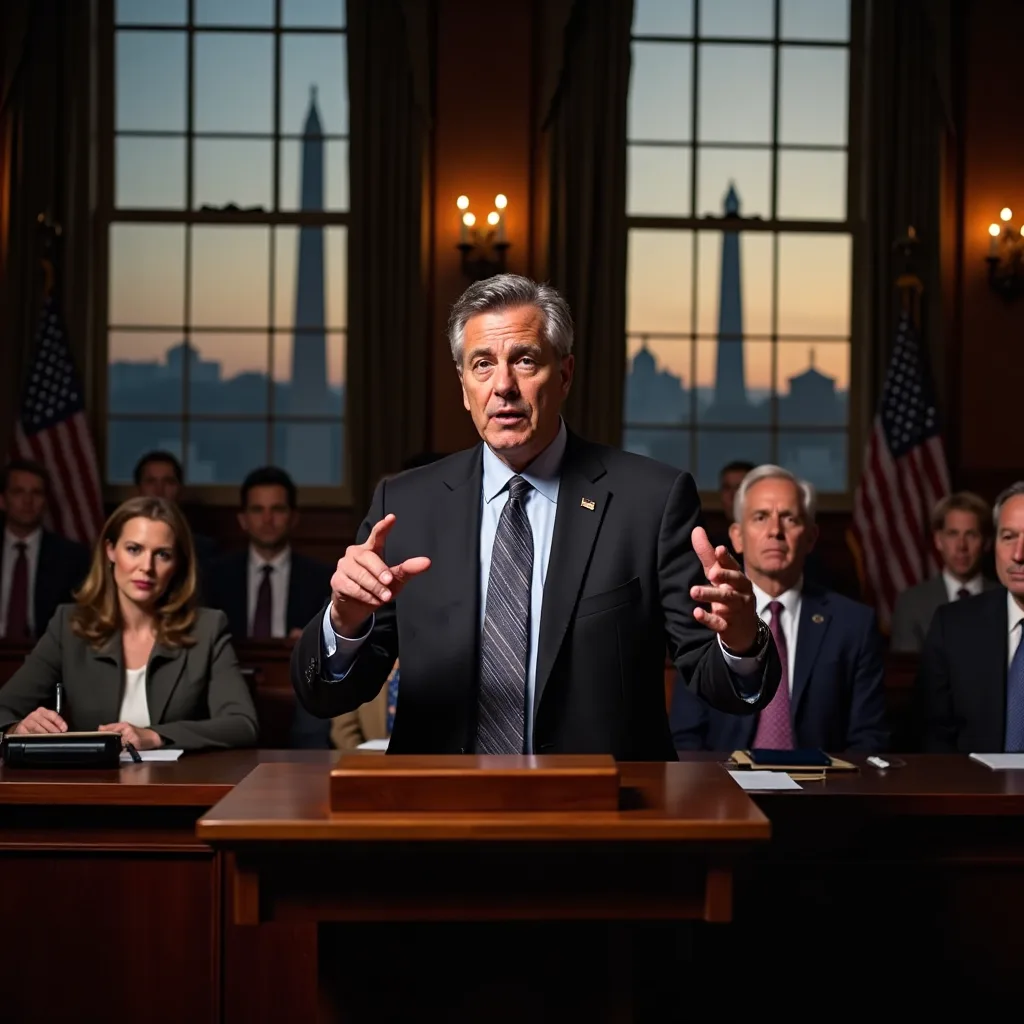
What they're not telling you: "If This Is My Final Duty": Grusch and Coalition Press Capitol for UAP Records Beyond Recent Disclosures A coalition of seven current and former government officials gathered at the Capitol on June 9 to argue that recent Pentagon UAP disclosures represent only a fraction of classified material the public should examine—and that Congress itself may lack access to the most sensitive programs involved. The event featured former Air Force intelligence officer David Grusch, along with Representatives Anna Paulina Luna, Tim Burchett, and Eric Burlison, investigative journalist Leslie Kean, filmmaker James Fox, and Air Force veteran Jeffrey Nuccetelli. Their unified message departed sharply from celebrating transparency gains: they pressed for substantially expanded declassification, stronger whistleblower legal protections, and congressional investigation into what they characterized as programs operating outside traditional oversight channels.
What the Documents Show
The most consequential claim advanced at the press conference concerned the existence of advanced technologies allegedly developed and deployed without conventional congressional appropriations. Grusch, speaking from prepared notes, referenced what he called "foreign adversary UAP crash retrieval" activities and stated that audiovisual records exist relating to "recovered vehicles and recovered biological material." These allegations remain unverified and have not been independently confirmed through declassified government documents or corroborating official testimony made public to date. What distinguishes this event from previous UAP disclosure efforts is its explicit focus on institutional failure. Rather than celebrating the Pentagon's recent acknowledgment of unidentified phenomena, speakers emphasized that many elected officials lack direct knowledge of programs potentially funded through classified channels. The implication—familiar to observers of Defense Department budget structures—is that significant activities may operate with appropriated funds but without clear visibility to most members of Congress responsible for authorizing those funds.
Follow the Money
Grusch's closing remark carried particular weight. "If this is one of my final duties of public service, I want it to be this," he stated, characterizing the disclosure push as potentially terminal to his government career. His willingness to attach personal stakes to the effort distinguished it from routine congressional advocacy. The comment also reflected a pattern observable across all speakers: each framed expanded UAP transparency not as peripheral to their institutional roles but as central to their understanding of government accountability. The coalition did not present newly declassified documents at the event. Instead, they argued that existing classified material—allegedly held by the Pentagon, intelligence agencies, and contractor facilities—should be released to Congress and the public.
What Else We Know
Representatives Luna and Burchett have introduced legislative vehicles to compel such release, though the status and prospects of those measures remain unclear from the available record. What remains absent from the public record is direct response from Pentagon leadership or intelligence agency officials addressing the specific claims made during the press conference. The Defense Department has previously acknowledged UAP as a legitimate operational concern. Whether officials will directly engage with allegations about programs operating outside congressional visibility, or the specific claims regarding recovered materials, remains an open question.

What strikes me about this Capitol gathering is that it exposes a real institutional vulnerability that transcends whether UAPs represent genuine unknown phenomena or misidentified conventional objects. The core claim—that Congress may lack full visibility into classified programs—isn't controversial in principle; it's the standard structure of compartmentalized security. What *is* noteworthy is that sitting members of Congress are publicly stating they don't possess access to information they believe should exist within their jurisdiction.
This reveals a pattern: oversight bodies operating in the dark regarding their own budget allocations. Whether the material in question involves UAPs or any other classified activity, the dynamic reveals power concentrated in executive-branch gatekeepers who determine what elected legislators are permitted to know.
The beneficiaries of this arrangement are clear—agencies and contractors whose programs remain insulated from the scrutiny Congress was designed to provide. The cost is institutional legitimacy when oversight becomes theater.
Watch whether Congress actually obtains and reviews the material in question. That answer tells you whether this pressure achieves structural change or becomes another disclosure cycle without consequences.
Primary Sources
- Source: Unknown Country
- Category: Unexplained
- Cross-reference independently — don't take our word for it.
Disclosure: NewsAnarchist aggregates from public records, API feeds (Federal Register, CourtListener, MuckRock, Hacker News), and independent media. AI-assisted synthesis. Always verify primary sources linked above.