Hormuz Transit
Global shippers cautious despite US-Iran deal

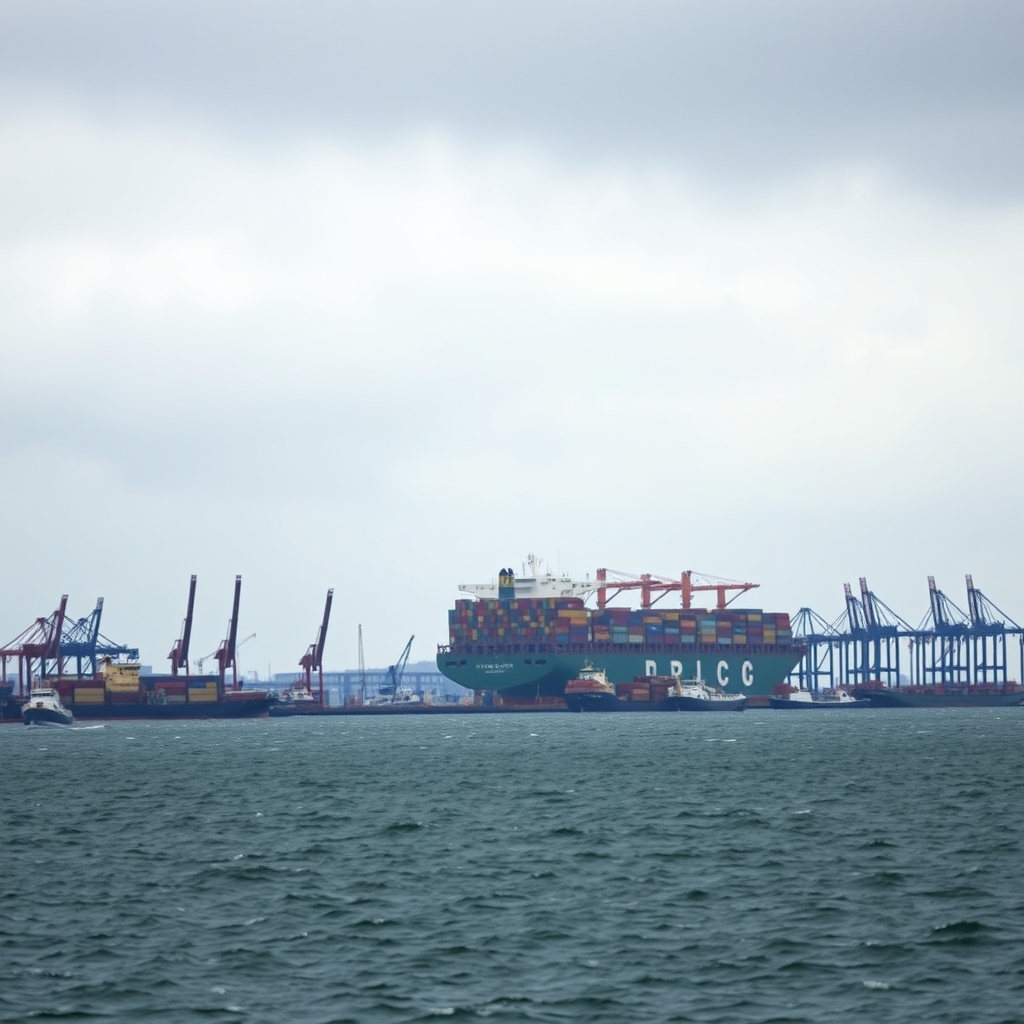
Global shippers remain cautious about transiting the Strait of Hormuz, a critical waterway for international oil trade, despite a recent deal between the United States and Iran. The agreement, announced in May 2026, aims to reduce tensions in the region and ensure the safe passage of ships through the strait. However, shippers are still wary of potential risks and disruptions, given the history of conflicts and attacks on oil tankers in the area.
According to reports, the US-Iran deal has not significantly eased concerns among global shippers, who continue to factor in higher insurance costs and potential delays when navigating the Strait of Hormuz. The strait, which connects the Persian Gulf to the Gulf of Oman, is a vital chokepoint for international oil trade, with approximately 20% of the world's oil supply passing through it every day. A disruption to shipping in the area could have significant implications for global energy security and the economy.
Industry experts estimate that the cost of shipping oil through the Strait of Hormuz has increased by as much as 10% since the start of 2026, due to higher insurance premiums and other risk-related costs. This increase is expected to be passed on to consumers, potentially leading to higher fuel prices and inflation. The situation is being closely monitored by major oil-producing countries, including Saudi Arabia and the United Arab Emirates, which rely heavily on the strait for their oil exports.
In related news, Indian Prime Minister Narendra Modi is scheduled to visit France and Slovakia in the coming weeks, where he is expected to discuss the Strait of Hormuz crisis and its implications for global energy security. Modi's visit is seen as an effort to strengthen India's ties with European countries and secure their support for India's growing energy needs. The trip is expected to cost an estimated $1 million, with a significant portion of the budget allocated to security and logistics.
As the situation in the Strait of Hormuz continues to evolve, global shippers and oil producers are bracing themselves for potential disruptions and increased costs. The US-Iran deal has provided some relief, but it is clear that the region remains a critical flashpoint for global energy security and geopolitics. With the Global Energy Forum 2026 scheduled to take place in New York on June 23-24, industry leaders and experts will gather to discuss the challenges and opportunities facing the global energy sector, including the ongoing situation in the Strait of Hormuz.
As I reflect on the Hormuz Transit, I firmly believe that the current state of affairs is unsustainable. The strategic waterway is a critical chokepoint, with nearly a fifth of the world's oil passing through it. If nothing changes, Iran wins, as it can leverage its geographical position to exert influence over global energy markets. This is unacceptable, as it allows a single nation to hold the world hostage. I argue that it is imperative for the international community to develop alternative routes and strategies to reduce dependence on the Hormuz Transit, thereby mitigating Iran's stranglehold on global energy supplies.
Cross-reference independently — do not take our word for it.
Disclosure: NewsAnarchist uses AI-assisted reporting with web search. Always verify primary sources linked above.