Hormuz Transit Concerns
Global shippers cautious on Hormuz transit despite US-Iran deal

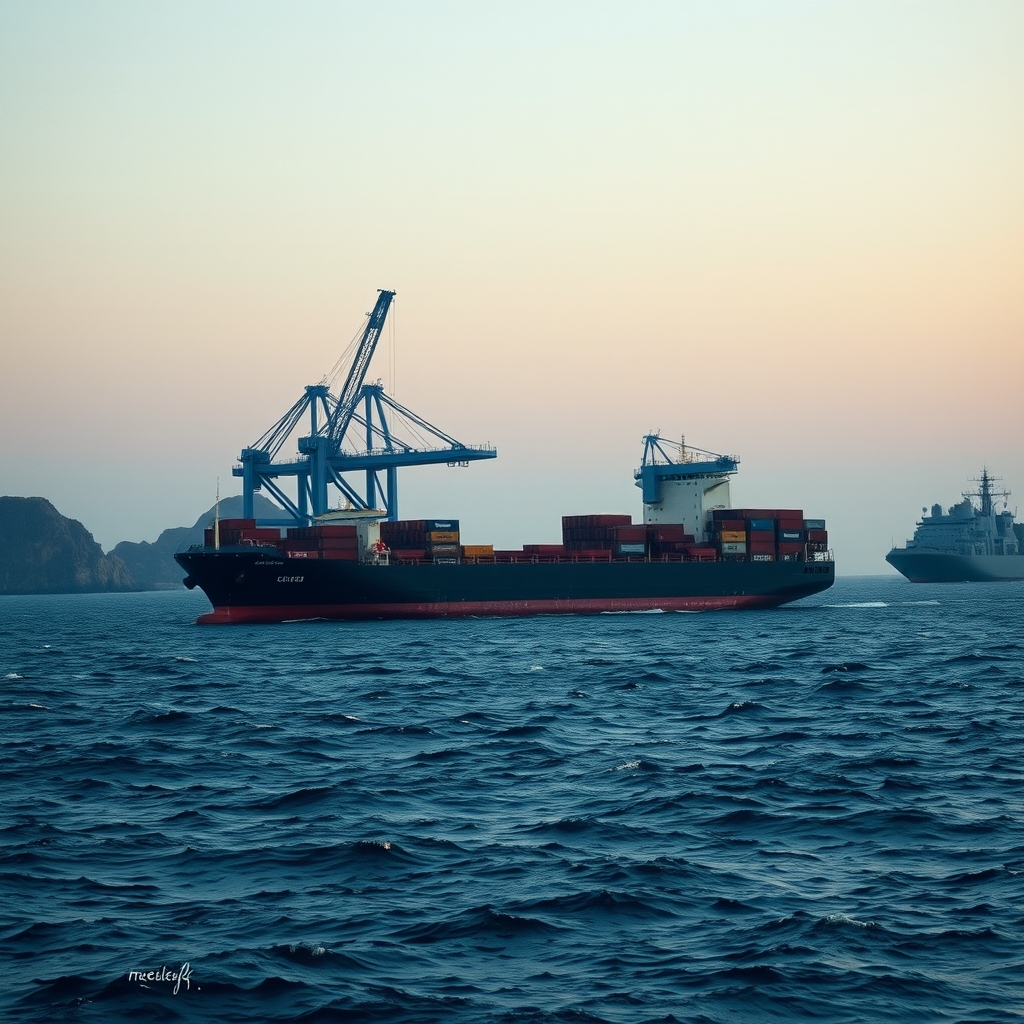
The Strait of Hormuz, a critical waterway connecting the Persian Gulf to the Gulf of Oman, has become a focal point of concern for global shippers despite a recent deal between the United States and Iran. On June 23-24, the Global Energy Forum 2026 in New York will address the ongoing tensions in the region and their impact on global energy security. The forum comes at a time when the international community is closely watching the situation in the Middle East, with India's Prime Minister Narendra Modi scheduled to visit France and then make a historic first visit to Slovakia, where the Strait of Hormuz crisis is expected to be a major topic of discussion.
According to reports from Reuters, the US-Iran deal has not alleviated concerns among global shippers, who continue to exercise caution when transiting the Strait of Hormuz. The waterway is a vital route for oil tankers, with approximately 20% of the world's oil passing through it every day. Any disruption to traffic in the strait could have significant implications for the global energy market, potentially leading to increased costs and decreased supply. In 2020, the cost of shipping oil through the strait increased by $1-2 per barrel due to heightened tensions in the region.
The situation in the Middle East is complex and multifaceted, with various countries vying for influence and control. The ongoing power struggle in the region has significant implications for global energy security, with countries such as India closely watching developments. India's economy is heavily reliant on imported oil, and any disruption to supply could have significant economic implications. In 2020, India imported approximately 84% of its oil, with a significant portion coming from the Middle East.
As the global community continues to monitor the situation in the Strait of Hormuz, experts are warning of the potential for further escalation. The US-Iran deal has provided some relief, but tensions in the region remain high. On May 1, 2026, a media tour of the Tokyo Electric Power Company's Kashiwazaki-Kariwa nuclear power station in Japan highlighted the importance of diversifying energy sources and reducing reliance on fossil fuels. However, for now, the Strait of Hormuz remains a critical route for oil tankers, and any disruption to traffic could have significant implications for the global energy market.
The international community is calling for calm and restraint in the region, with the United Nations urging all parties to respect the sovereignty and territorial integrity of countries in the Middle East. As the situation continues to unfold, global shippers will be closely watching developments, with many taking steps to mitigate potential risks. The cost of shipping oil through the Strait of Hormuz is expected to remain high, with some estimates suggesting an increase of $5-10 per barrel in the coming months.
As I reflect on the Hormuz transit concerns, I strongly believe that the current situation is unsustainable. The strategic waterway is a critical chokepoint for global oil trade, and any disruption can have far-reaching consequences. If nothing changes, Iran wins, as it can exploit its geographical advantage to exert pressure on the global economy. The international community must come together to address these concerns and ensure the safe and secure passage of ships through the Strait of Hormuz. It is imperative that we find a solution to prevent Iran from holding the global economy hostage, and I firmly believe that a collective effort is necessary to mitigate this threat.
Cross-reference independently — do not take our word for it.
Disclosure: NewsAnarchist uses AI-assisted reporting with web search. Always verify primary sources linked above.
This article is produced by NewsAnarchist's AI reporting system, not a human staff reporter. It's built from the primary source cited above (a declassified document, a FOIA release, an inspector general or congressional report, or a named whistleblower disclosure reported by outlets we cite) and reports what that source states, attributed to it — it reports what the document or disclosure states and does not speculate about what remains classified beyond that. Part of our Government Secrets hub. Found an error? Tell us.