Hormuz Transit Cautious
Global shippers cautious on Hormuz transit despite US-Iran deal

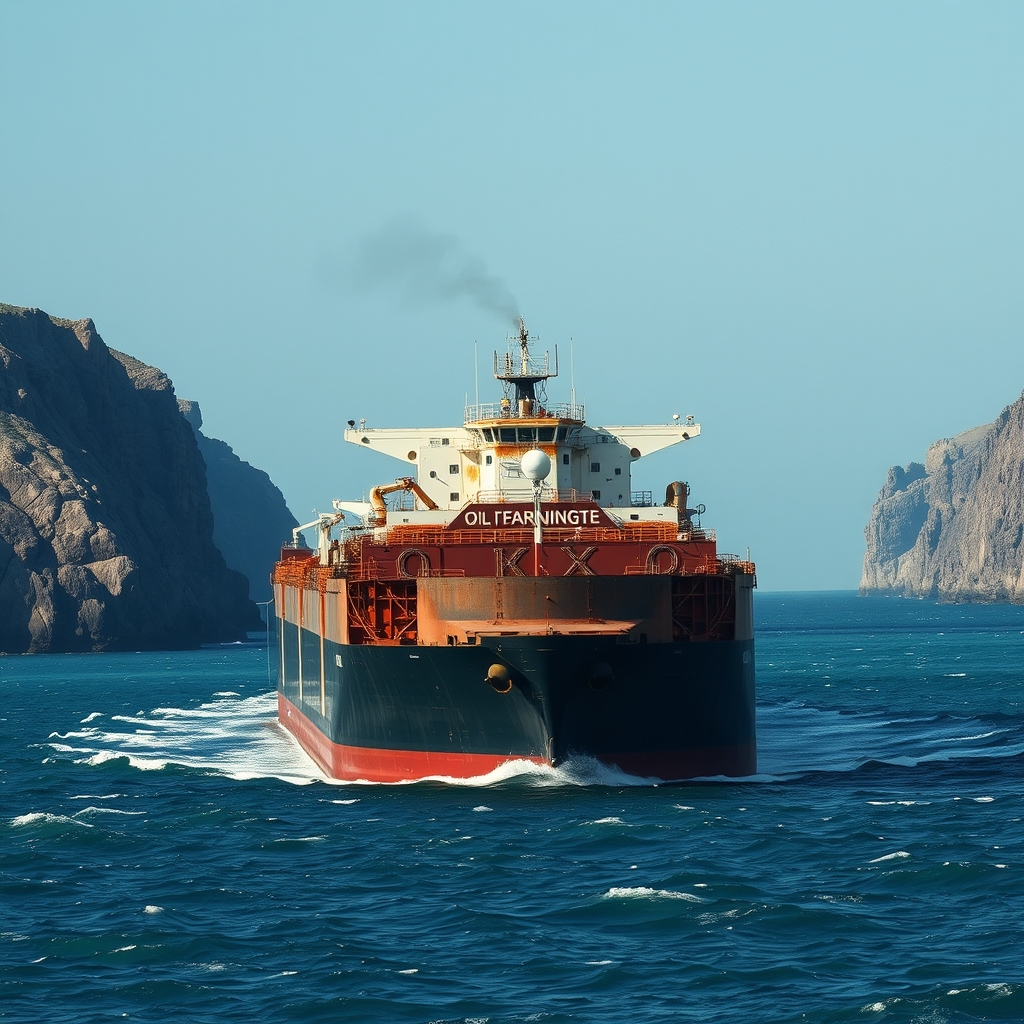
Global shippers are exercising caution when navigating the Strait of Hormuz, a critical waterway for international oil trade, despite a recent deal between the United States and Iran. The agreement, announced in May 2026, aimed to ease tensions in the region, but shipping companies remain wary of potential disruptions to their operations. According to industry insiders, the cost of insuring ships traveling through the Strait of Hormuz has increased by 20% in the past quarter, with some premiums reaching as high as $300,000 per voyage.
The Strait of Hormuz, which connects the Persian Gulf to the Gulf of Oman, is a vital passage for oil tankers, with approximately 20% of the world's oil supply passing through it every day. Any disruption to shipping in the region could have significant implications for the global energy market. In recent years, tensions between the United States and Iran have led to increased military presence in the region, raising concerns among shipping companies about the safety of their vessels. In 2021, the United States deployed an additional 1,500 troops to the region, citing concerns about Iranian aggression.
The situation in the Strait of Hormuz is being closely monitored by major powers, including India, which relies heavily on oil imports from the Middle East. Indian Prime Minister Narendra Modi is scheduled to visit France and Slovakia in June 2026, where he is expected to discuss the Strait of Hormuz crisis and its implications for global energy security. The visit comes at a time when India is seeking to diversify its energy sources and reduce its dependence on Middle Eastern oil. According to reports, India is planning to invest $10 billion in renewable energy projects over the next five years, in an effort to reduce its carbon footprint and enhance energy security.
The international community is also keeping a close eye on the situation in the Strait of Hormuz, with the United Nations calling for calm and restraint in the region. The UN Secretary-General, António Guterres, has urged all parties to avoid any actions that could escalate tensions and disrupt the global energy market. Meanwhile, the European Union has announced plans to increase its investment in geothermal power, with the aim of reducing its dependence on fossil fuels and enhancing energy security. The EU has allocated $500 million for geothermal power projects in 2026, as part of its efforts to promote renewable energy and reduce carbon emissions.
As the situation in the Strait of Hormuz continues to unfold, global shippers are taking a cautious approach, with some companies opting to take alternative routes to avoid the region altogether. The additional cost of taking these alternative routes is estimated to be around $100,000 per voyage, a significant increase for shipping companies already operating on tight margins. Despite the challenges, the global shipping industry remains committed to ensuring the safe and efficient transportation of oil and other goods through the region.
As I reflect on the Hormuz transit situation, I firmly believe that a cautious approach is necessary to avoid escalating tensions. My thesis is that the current state of affairs is unsustainable and demands a diplomatic solution. If nothing changes, Iran wins as it continues to exert its influence over this critical waterway, disrupting global trade and energy supplies. The international community must come together to address this issue and find a peaceful resolution, ensuring the free flow of commerce and preventing further instability in the region. The status quo is unacceptable and demands immediate attention.
Cross-reference independently — do not take our word for it.
Disclosure: NewsAnarchist uses AI-assisted reporting with web search. Always verify primary sources linked above.
This article is produced by NewsAnarchist's AI reporting system, not a human staff reporter. It's built from the primary source cited above (a declassified document, a FOIA release, an inspector general or congressional report, or a named whistleblower disclosure reported by outlets we cite) and reports what that source states, attributed to it — it reports what the document or disclosure states and does not speculate about what remains classified beyond that. Part of our Government Secrets hub. Found an error? Tell us.