Facial Recognition Expands
London's Met police to expand live facial recognition use into central London by Christmas despite controversy over algorithmic discrimination

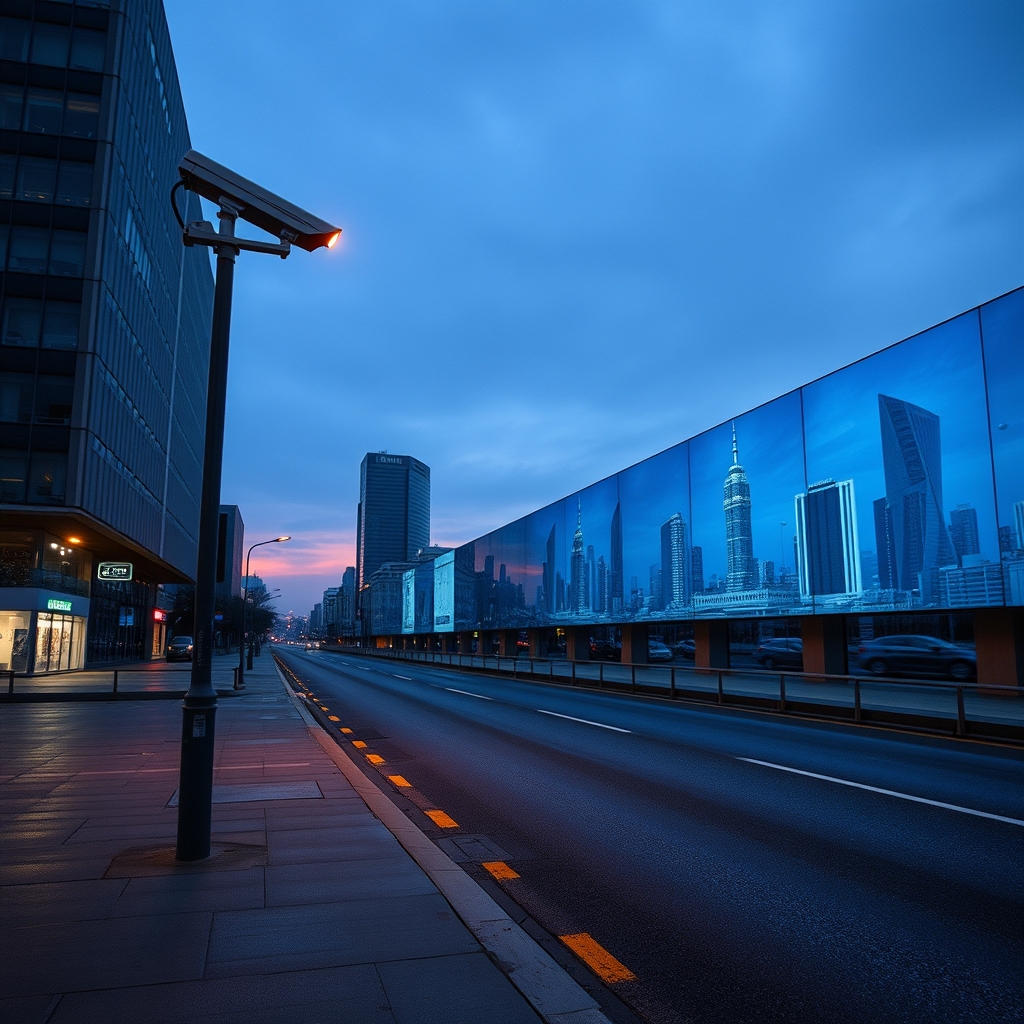
The expansion of facial recognition technology is a growing concern for civil liberties advocates, as it predominantly surveils the faces of innocent individuals when they walk past the system's cameras, as reported by facial recognition expansion plans in central London by Christmas. The algorithm used to power it can also discriminate against black people, raising significant civil rights issues. Despite these concerns, police and government agencies, such as the Metropolitan Police, are backing the expanded use of live facial recognition, claiming that the civil rights issues are minimal.
The use of facial recognition technology is not limited to law enforcement agencies, as private companies are also utilizing it to monitor and track individuals, such as the case of MSG Targets Activist Faces, where Madison Square Garden made a dossier on activists who opposed facial recognition. This raises concerns about the potential for abuse of this technology and the impact on individuals' right to privacy. Furthermore, the FCC's proposal to collect new and renewing customers' government-issued identity number and physical address has sparked debate about the balance between national security and individual privacy.
The advancement of artificial intelligence has also led to the creation of highly convincing scams, such as deepfakes, which can clone voices and faces, as explained in how to spot deepfakes. This has significant implications for individuals and government officials, who may be targeted by these scams. In related news, the NSA Loses AI Access due to an export control directive issued by the US government, which required Anthropic to suspend all access to Fable 5 and Mythos 5 by foreign nationals.
The use of facial recognition technology is becoming increasingly widespread, with Western Australia Police being the first in Australia to use live facial recognition technology, as reported by ABC News, sparking concerns about overreach and authoritarianism. Greens MP Brad Pettitt described the extra police powers and the real-time facial recognition cameras as a "deeply concerning development" from the government. As the use of facial recognition technology continues to expand, it is essential to consider the potential implications for individual privacy and civil liberties.
As I consider the rapid expansion of facial recognition technology, I firmly believe that our personal freedoms are at stake. My thesis is that if left unchecked, facial recognition will erode our right to privacy and create a surveillance state. The winners in this scenario are corporations and governments that seek to exploit our personal data for their own gain. They will reap the benefits of increased control and profits, while the average citizen will be left with diminished autonomy and a loss of anonymity. If nothing changes, these powerful entities will continue to shape our lives without our consent.
Cross-reference independently — do not take our word for it.
Disclosure: NewsAnarchist uses AI-assisted reporting with web search. Always verify primary sources linked above.