UK Expands Facial Recognition
London police to deploy live facial recognition in central London by Christmas, sparking civil rights concerns

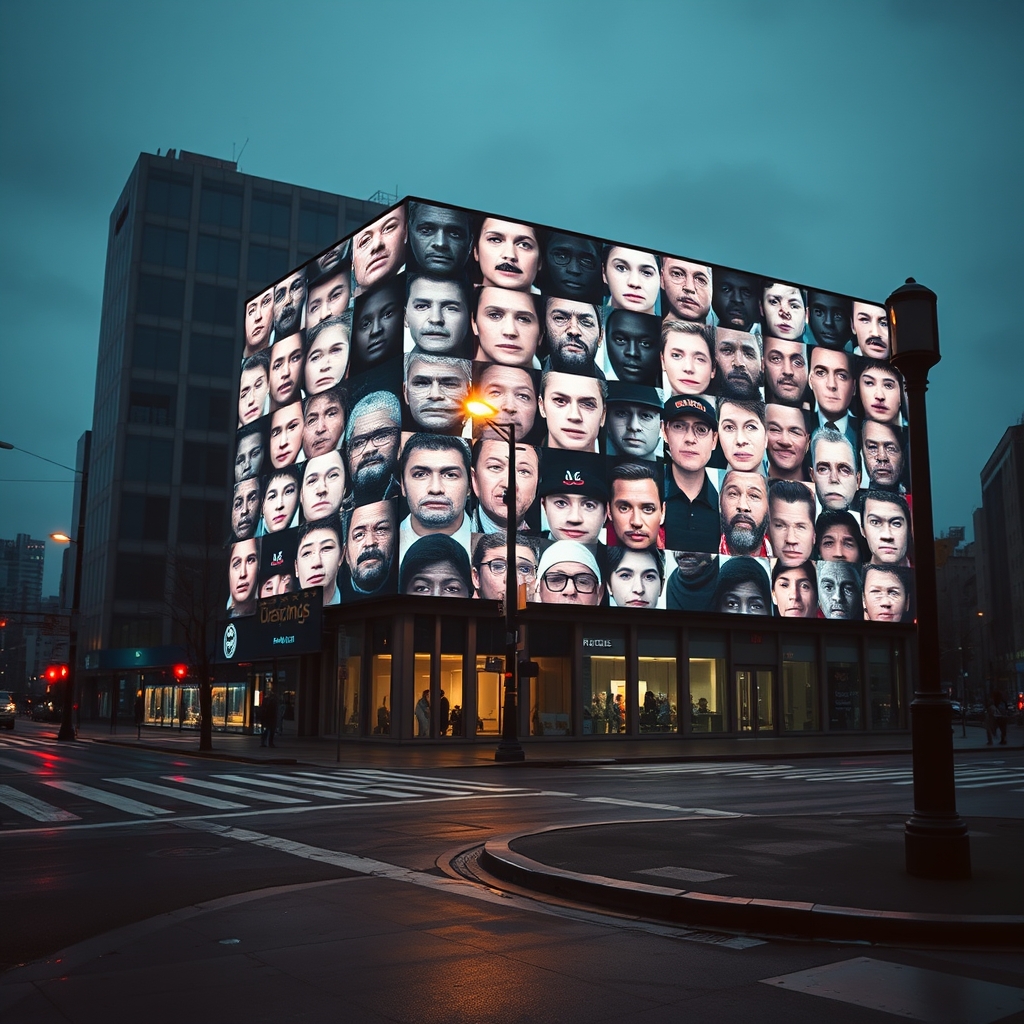
The UK government's expansion of facial recognition technology has raised concerns among civil liberties groups, as the Met plans to expand the use of live facial recognition into central London by Christmas, as reported by the latest technology news. This move is part of a broader effort to increase surveillance and tracking capabilities, with the police and government backing the expanded use of the technology, despite concerns over its potential to discriminate against black people. The algorithm used to power the facial recognition system has been shown to have a higher error rate when identifying individuals with darker skin tones, which could lead to wrongful arrests and further erode trust in the system.
The UK government's intention to implement facial recognition and digital ID to access social media, as announced by Keir Starmer at a press conference, has also sparked controversy, with critics arguing that such measures would be an overreach of government authority and a threat to individual privacy, as discussed in the context of NSA Loses AI Access. The plan to ban social media access to under-16s from early next year, using facial recognition software and digital IDs, has been met with resistance from privacy advocates, who argue that such measures would be an invasion of personal privacy and a potential threat to free speech. The technical integration of facial recognition technology with law enforcement agencies' systems, as outlined in the ID Tech Digest, will enable real-time tracking of wanted suspects and missing persons, but also raises concerns about the potential for abuse and the impact on marginalized communities.
The expansion of facial recognition technology in the UK is part of a larger trend of increased surveillance and tracking, with the London police force planning to significantly step up its use of technology, including live facial recognition, a city-wide emergency services drone network, and AI to analyze footage from the capital's one million CCTV cameras, as stated by MPS Commissioner Mark Rowley on June 24. The force's budget for technology has been repeatedly cut, with spending of around £6,000 per person, compared to budgets of more than double that at some government agencies, which has led to concerns about the effectiveness and potential biases of the technology. The issue of facial recognition is also closely tied to the FISA Expiration and the ongoing debate over the balance between national security and individual privacy. Furthermore, the use of facial recognition technology has been criticized by activists, who have been targeted by companies such as Madison Square Garden, which made a dossier on activists who opposed facial recognition, and the UK government's plan to implement facial recognition and digital ID to access social media has been announced on hopegirlblog.com, sparking widespread concern about the potential impact on individual privacy and freedom of speech. The expansion of facial recognition technology is a trend that is being closely watched, as discussed in the article Facial Recognition Expands, and its implications for individual privacy and civil liberties are far-reaching.
As I reflect on the UK's expansion of facial recognition, I firmly believe that this move threatens our fundamental right to privacy. My thesis is that unchecked facial recognition technology will lead to a surveillance state where citizens are constantly monitored. If nothing changes, it's clear that the government and corporations will be the winners, gaining unparalleled access to our personal data and behaviors. They will reap the benefits of increased control and profits, while we, the citizens, will be left with a diminished sense of freedom and autonomy. It's imperative that we take a stand against this intrusive technology.
Cross-reference independently — do not take our word for it.
Disclosure: NewsAnarchist uses AI-assisted reporting with web search. Always verify primary sources linked above.