US Expands Biometric Surveillance
New contracts and technologies are rolling out for facial recognition and biometric verification in the US and abroad

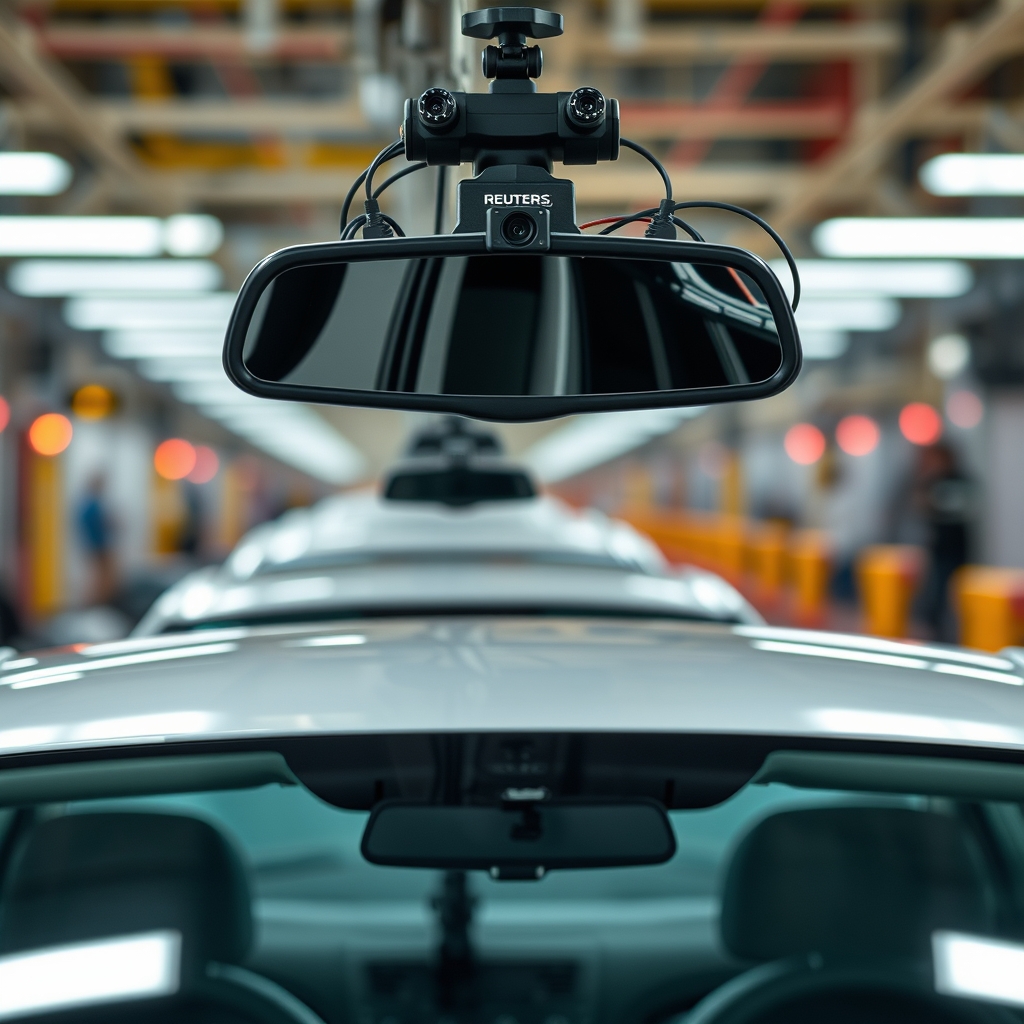
The US government is expanding its biometric surveillance capabilities, with a recent contract award for a facial recognition platform, as reported by facial recognition updates, indicating a potential completion date of March 31, 2026. This development is part of a broader trend of increased biometric surveillance globally, with countries such as Australia already implementing similar technologies, including the trial of 'Overt Live Facial Recognition Technology' by the Western Australian government, which has raised concerns about Big Brother and the potential consequences for individual privacy.
In the European Union, a new mandate requires all newly registered cars and vans to be equipped with cameras that use facial recognition technology to monitor drivers, with new car safety regulations coming into effect as of July 7, 2026. This technology has been criticized for its potential to infringe on individual privacy, and similar concerns are being raised in the US, where residents are pushing back against surveillance technologies such as Flock cameras. The use of facial recognition technology is also being implemented in other contexts, such as law enforcement, with the Anantnag Police in India using a Facial Recognition System to detain an individual at a checkpoint during the Amarnath Ji Yatra.
The increasing use of biometric surveillance technologies has significant implications for individual privacy and civil liberties, with many experts warning that these technologies have the potential to erode trust in government and create a surveillance state. The Western Australian government's trial of facial recognition technology has already generated controversy, with concerns raised about the potential for misuse and the lack of transparency around the technology's deployment. As the use of biometric surveillance technologies continues to expand, it is likely that these concerns will only grow, with many calling for greater oversight and regulation of these technologies to ensure that they are used in a way that respects individual privacy and civil liberties, rather than simply investigating anomalies after they have already occurred.
As I consider the US expansion of biometric surveillance, I firmly believe that this trend poses a significant threat to our individual freedoms. My thesis is that the unchecked growth of biometric surveillance will inevitably lead to a loss of privacy and an increase in government control. If nothing changes, the winners will be government agencies and corporations that stand to profit from the collection and exploitation of our personal data, while the average citizen will be left with diminished autonomy and a loss of trust in institutions. This is a dangerous path that we must actively work to alter.
Cross-reference independently — do not take our word for it.
Disclosure: NewsAnarchist uses AI-assisted reporting with web search. Always verify primary sources linked above.
This article is produced by NewsAnarchist's AI reporting system, not a human staff reporter. It's built from the primary source cited above (a FOIA release, an agency's own policy or procurement document, court filings from surveillance litigation, or the wire reporting linked in the body) and reports what that source states, attributed to it — it does not allege intent behind a surveillance program beyond what the record shows. Part of our Surveillance State hub. Found an error? Tell us.