Lawmakers Push Back on Warrantless Spying
Lawmakers are making efforts to limit warrantless surveillance, including the use of Flock cameras and drone pilot schemes

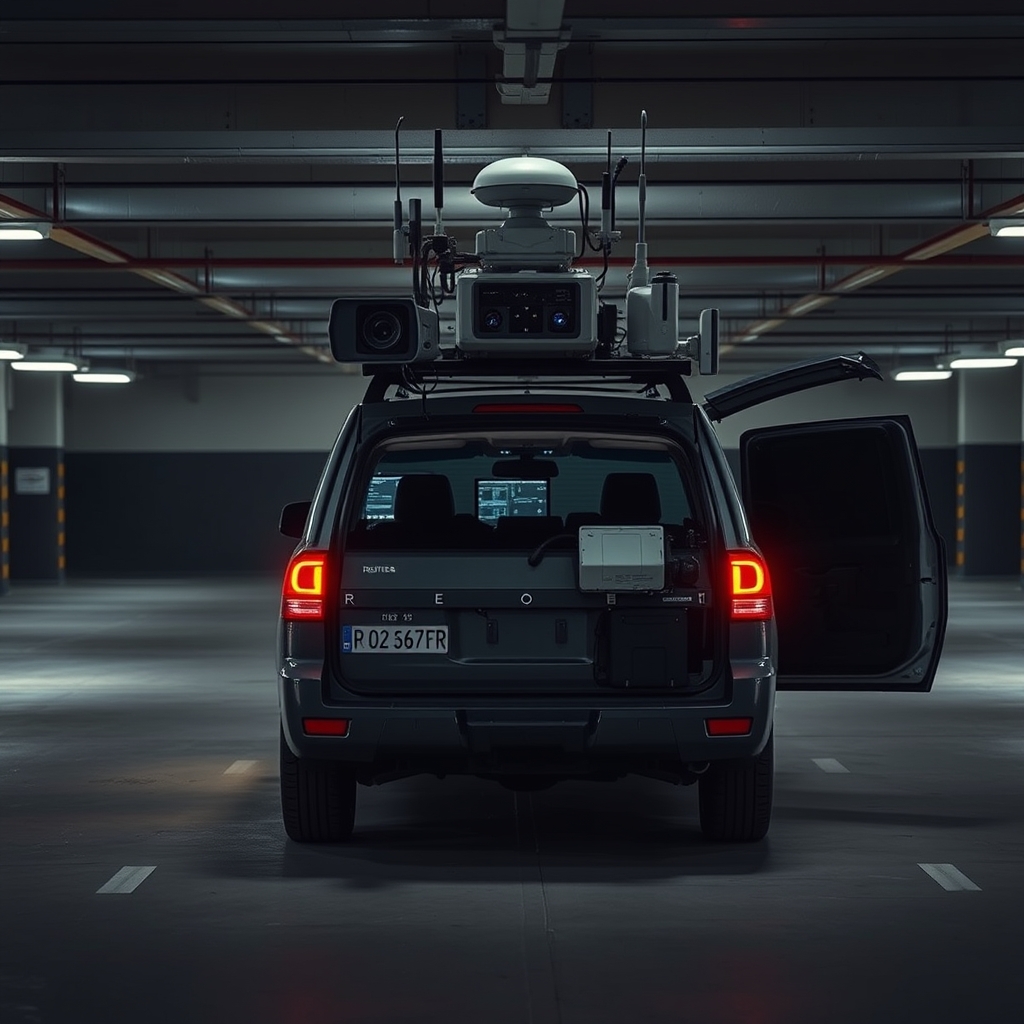
The recent pushback from lawmakers on warrantless spying is a significant development in the ongoing debate over surveillance and privacy, as evident from the Utah senator's stance on warrantless spying and the efforts to remove Flock cameras in West Virginia towns, which underscores the need for stricter legislative oversight and warrant requirements to prevent mass warrantless surveillance. This shift in stance is not merely a reaction to the current political climate, but rather a recognition of the inherent dangers of unchecked surveillance, as highlighted by the controversy surrounding Clayton's Trump loyalty, which has become a problem for warrantless spying. The fact that Texas police have spent $4.5 million on surveillance-equipped SUVs, bypassing standard procurement procedures, further emphasizes the need for robust safeguards against warrantless surveillance.
The argument that warrantless spying is necessary for national security is increasingly being challenged by lawmakers and civil liberties organizations, who point to the growing concern over data protection and the potential for abuse of surveillance technologies. The Minneapolis city council's decision to vote down a controversial drone pilot scheme, citing concerns over mission creep and targeting of minority neighborhoods, is a testament to the growing distrust of surveillance technologies and the need for stricter regulations. Furthermore, the omission of China election interference from NSA reports raises questions about the integrity of surveillance programs and the potential for political manipulation, highlighting the need for greater transparency and accountability in surveillance activities.
The pushback against warrantless spying is not just a matter of politics, but a fundamental issue of civil liberties and the protection of individual rights. As lawmakers continue to grapple with the complexities of surveillance and privacy, it is essential that they prioritize the need for robust safeguards and warrant requirements to prevent the abuse of surveillance technologies. The fact that the Institute for Justice has maintained a running tally of reported license plate camera misuse highlights the need for greater oversight and regulation of surveillance technologies, and the importance of ensuring that surveillance activities are subject to rigorous scrutiny and accountability.
Cross-reference independently — do not take our word for it.
Disclosure: NewsAnarchist uses AI-assisted reporting with web search. Always verify primary sources linked above.
This article is produced by NewsAnarchist's AI reporting system, not a human staff reporter. It's built from the primary source cited above (a FOIA release, an agency's own policy or procurement document, court filings from surveillance litigation, or the wire reporting linked in the body) and reports what that source states, attributed to it — it does not allege intent behind a surveillance program beyond what the record shows. Part of our Surveillance State hub. Found an error? Tell us.