Lawmakers Push Back on Warrantless Surveillance
Lawmakers are making a push for removal of Flock cameras and other warrantless surveillance technologies

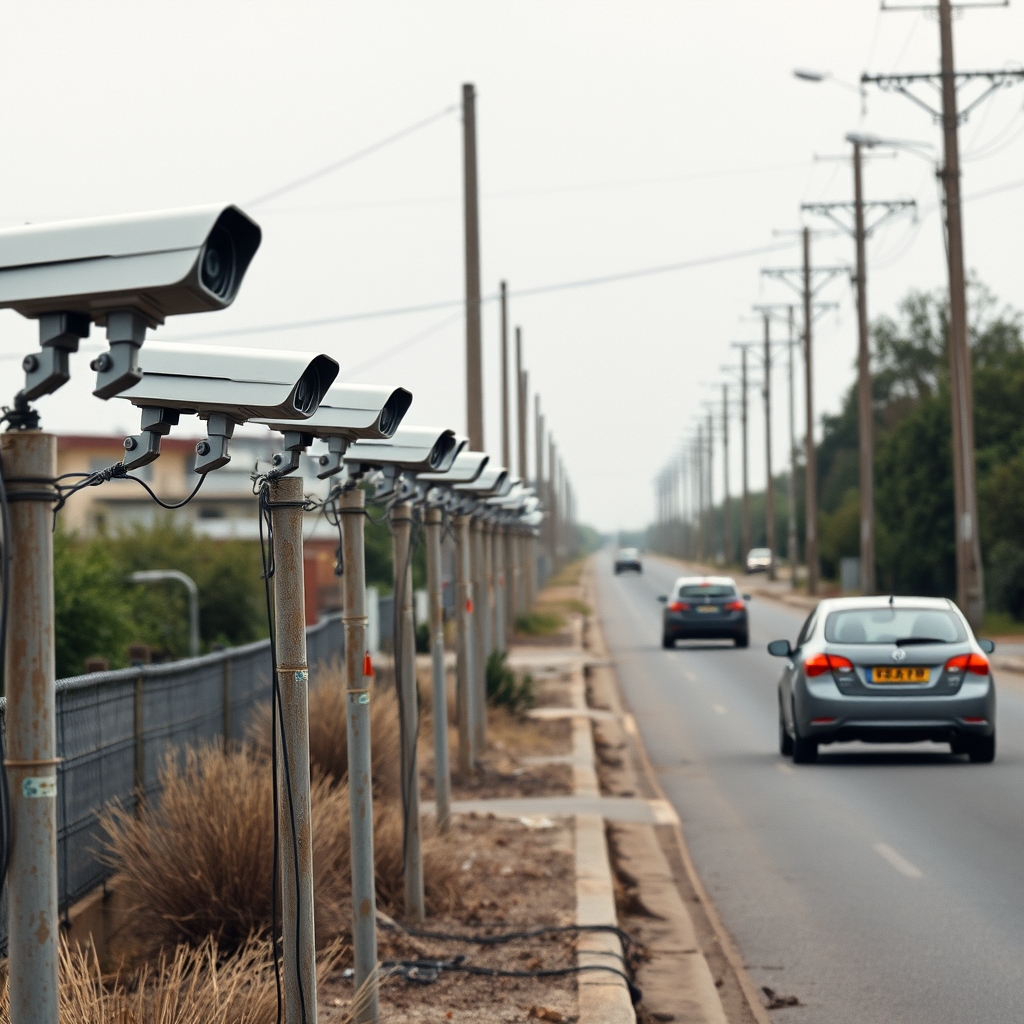
Lawmakers are pushing back on warrantless surveillance, with some arguing that the practice violates the 4th Amendment, as seen in the recent statement by a Utah senator who said that the situation cannot be fixed by merely going after Jack Smith, but rather by smashing the future capabilities of anyone to conduct politically-motivated domestic surveillance, as reported by the Daily Caller. The senator has repeatedly opposed warrantless spying and said he would only support reauthorizing Section 702 if a warrant were added, highlighting the need for stricter legislative oversight. This pushback is not limited to federal lawmakers, as local lawmakers in West Virginia are also making a push for the removal of Flock cameras in their towns, with a bill that would prohibit warrantless, real-time surveillance technologies, including automated license plate readers, facial recognition systems, and drone surveillance, as reported by wchstv.com.
The issue of warrantless surveillance is also being tracked by the Institute for Justice, a legal nonprofit that litigates against warrantless surveillance, which has maintained a running tally of reported license plate camera misuse, with 24 cases as of mid-July 2026, as reported by yahoo.com. This highlights the need for stricter regulations on the use of surveillance technologies, particularly in the context of online activities, such as online betting, where a US bill requires facial recognition for verification purposes. Furthermore, the use of surveillance technologies is not limited to domestic purposes, as seen in the NSA reports on China's election targeting, which highlights the need for international cooperation on data protection and surveillance regulations.
The financial aspects of surveillance technologies are also a concern, with Texas police spending $4.5 million on surveillance-equipped SUVs, bypassing standard procurement procedures, which has raised concerns about the potential for mass warrantless surveillance. This is particularly relevant in the context of India's data protection bills, which aim to regulate the use of personal data and prevent its misuse. The use of Flock cameras is also being challenged in court, with a Supreme Court phone privacy ruling gutting Flock's best legal defense, as reported by yahoo.com, which has implications for the use of surveillance technologies in various contexts. In Wilmington, NC, for example, the use of Flock cameras has been criticized for allowing warrantless AI surveillance, with every drive past a camera being logged, kept, and searchable, as reported by deflockilm.org.
As I watch lawmakers push back on warrantless surveillance, I firmly believe that our fundamental right to privacy is at stake. If nothing changes, the government wins, gaining unchecked power to monitor our every move. This is unacceptable. I argue that warrantless surveillance is a blatant infringement on our Fourth Amendment rights, and it must be reined in. Lawmakers must take a stronger stance against such practices, ensuring that our privacy is protected and the government is held accountable. If we don't act now, the government's overreach will only continue to grow, threatening the very fabric of our democracy.
Cross-reference independently — do not take our word for it.
Disclosure: NewsAnarchist uses AI-assisted reporting with web search. Always verify primary sources linked above.