Whistleblowers Face Retaliation
Whistleblowers around the world are facing retaliation for speaking out against wrongdoing

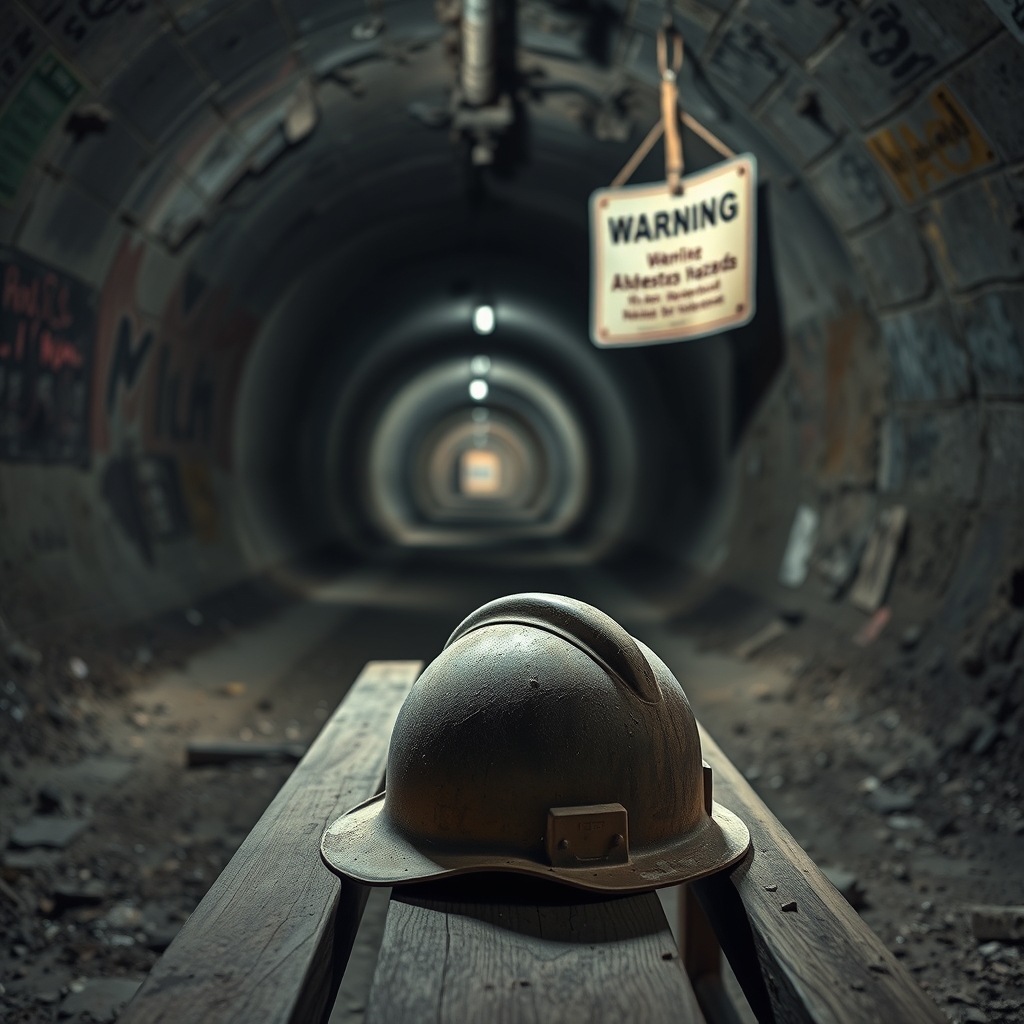
The pervasive culture of retaliation against whistleblowers is a stark reminder of the systemic failures that perpetuate corruption and abuse of power, as evident in the recent case of a London Underground worker who was unfairly sacked after raising concerns about exposure to asbestos and other toxic dust, with the worker now seeking to inform the public about the potential hazards, as reported by the latest news on toxic dust risks. This phenomenon is not limited to any one sector or industry, as whistleblowers in various fields, including government and private companies, face severe repercussions for speaking out against wrongdoing, such as the Meta whistleblower Sarah Wynn-Williams, who has been accused of being targeted by the company through lawfare, according to recent reports on Meta's dealings with China. The fact that whistleblowers are often forced to suffer in silence or face retaliation is a clear indication of the need for stronger protections and support systems, as highlighted by the ongoing coverage of health care fraud cases, which demonstrate the importance of whistleblower testimony in uncovering large-scale corruption.
The lack of accountability and transparency in many organizations allows retaliation against whistleblowers to go unchecked, as seen in the case of Jeannie-Marie Blake, a robodebt whistleblower who was allegedly told that her royal commission evidence could cost her her job, according to news reports on the robodebt scandal. This culture of fear and intimidation is further exacerbated by the fact that many whistleblowers are forced to rely on external sources, such as news outlets like The Guardian, to bring attention to their cases and seek justice. The recent disputes over whistleblower allegations, including the Kennedy Center's response to Senator Sheldon Whitehouse's claims, demonstrate the need for greater scrutiny and oversight of organizations that seek to silence whistleblowers. Furthermore, the declassification of sensitive information, such as Trump's declassification of election intel, highlights the complex and often fraught relationship between whistleblowers, government agencies, and the public interest.
Cross-reference independently — do not take our word for it.
This article is produced by NewsAnarchist's AI reporting system, not a human staff reporter. It's built from the primary source cited above (a declassified document, a FOIA release, an inspector general or congressional report, or a named whistleblower disclosure reported by outlets we cite) and reports what that source states, attributed to it — it reports what the document or disclosure states and does not speculate about what remains classified beyond that. Part of our Government Secrets hub. Found an error? Tell us.