Facial Recognition Expands
Facial recognition technology is being increasingly used in various sectors, including travel, education, and law enforcement

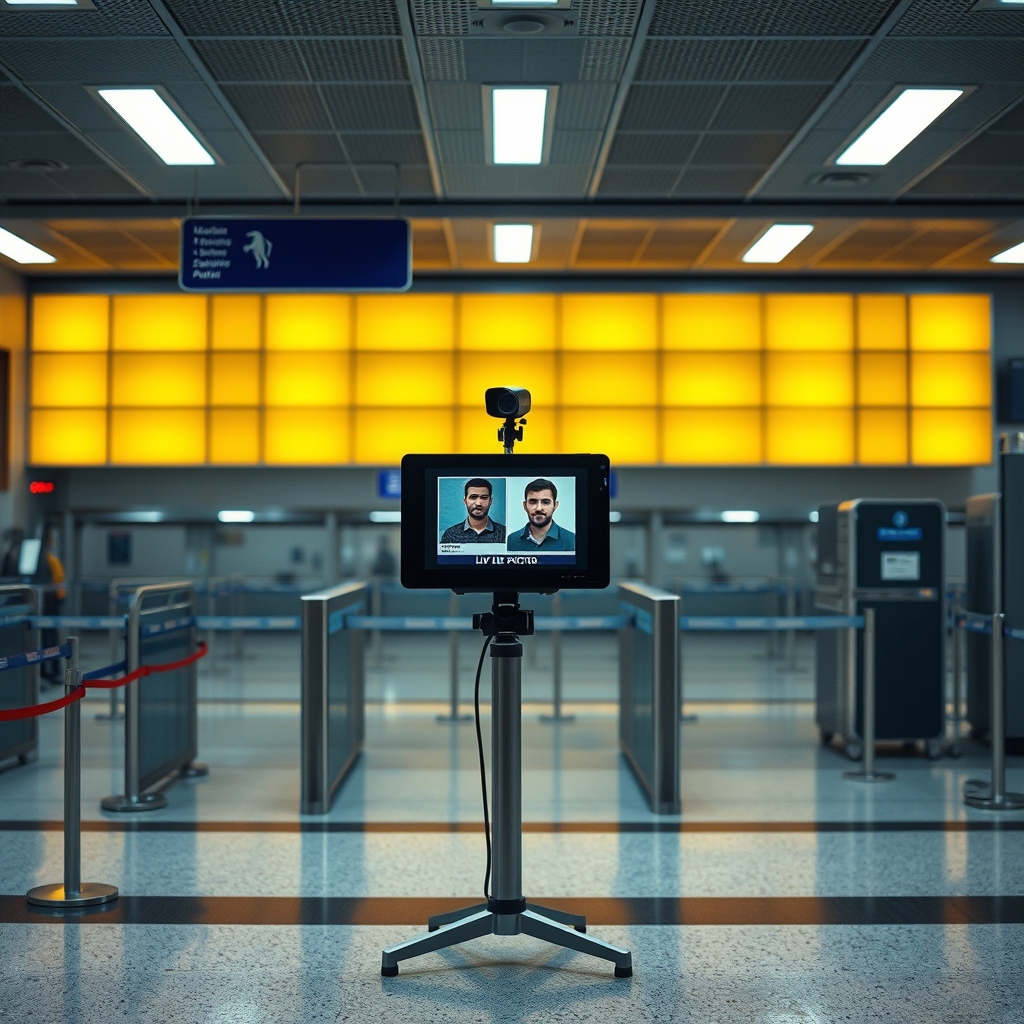
The expansion of facial recognition technology is a concerning trend that raises significant questions about privacy and surveillance, as evident in the TSA's use of facial recognition at security checkpoints, where a live photo of a person is compared to an image on their ID, such as a REAL ID or passport. This technology is not only being used in airports, but also in other areas, such as in surveillance selfies taken by Ring cameras, which share video data with security companies like Flock. The increasing use of facial recognition technology has led to concerns about its potential misuse, particularly in light of recent revelations about Meta's facial recognition feature in its smart glasses, which has sparked a PR disaster. Furthermore, the fact that facial recognition is being tied to exam eligibility in some institutions raises questions about the potential for this technology to be used as a tool of control, much like the withholding of information by government agencies can be used to manipulate public perception.
The implications of this technology are far-reaching, and its potential for abuse is significant, particularly in light of the fact that facial recognition systems have been shown to be biased against certain groups, such as black and Asian people. As a result, there is a growing need for financial firms to prioritize tokenization in order to protect sensitive information and prevent it from being used in conjunction with facial recognition technology. The fact that prosecutors are being removed for their relationships with defendants highlights the need for transparency and accountability in the use of this technology, and the potential consequences of its misuse. Additionally, the TSA's facial recognition technology is being used in conjunction with other forms of surveillance, such as Ring cameras, which raises significant concerns about the potential for widespread surveillance and the erosion of privacy rights.
Cross-reference independently — do not take our word for it.
This article is produced by NewsAnarchist's AI reporting system, not a human staff reporter. It's built from the primary source cited above (a FOIA release, an agency's own policy or procurement document, court filings from surveillance litigation, or the wire reporting linked in the body) and reports what that source states, attributed to it — it does not allege intent behind a surveillance program beyond what the record shows. Part of our Surveillance State hub. Found an error? Tell us.