Warrantless Surveillance Expands
US residents are being tracked without warrants through license-plate readers and phone taps

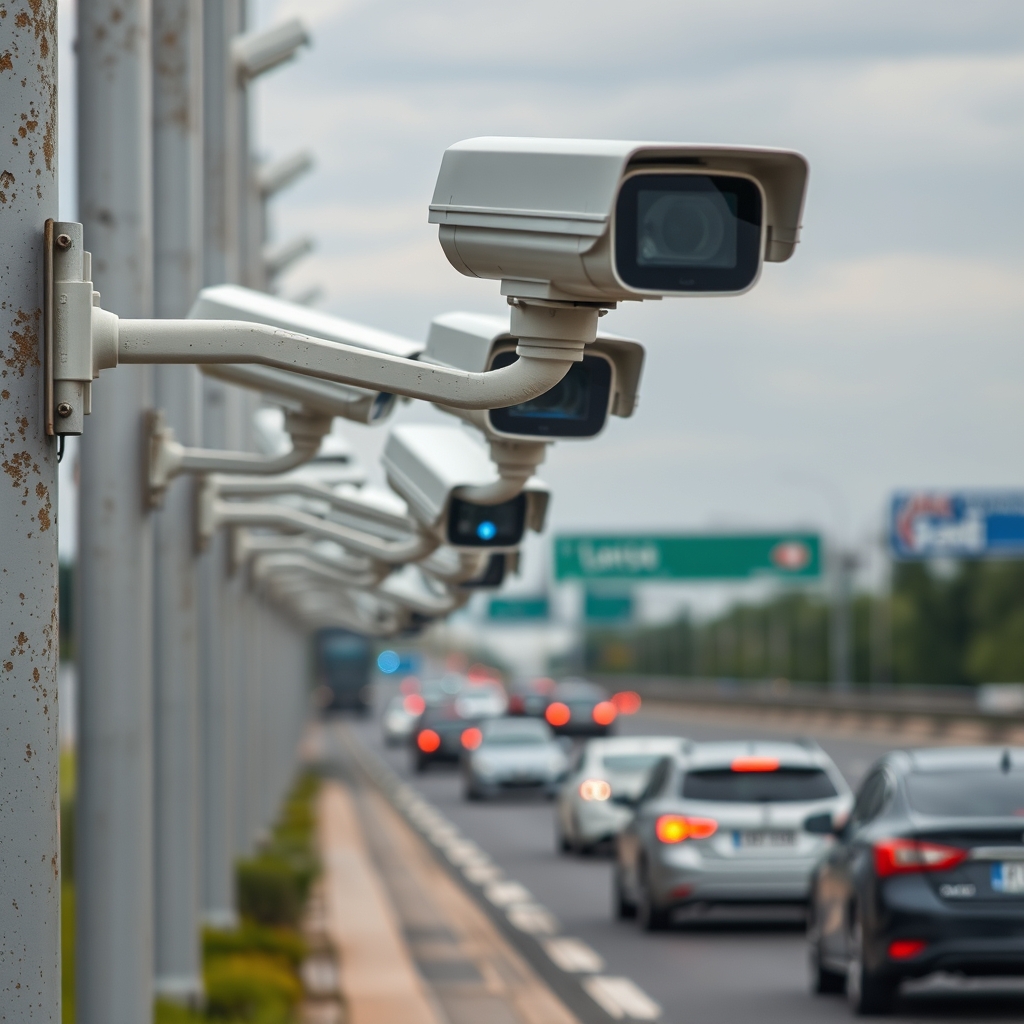
The expansion of warrantless surveillance has raised significant concerns about the erosion of privacy rights, as highlighted by Susan Shelley in an article published in the Whittier Daily News, which notes that Section 702 of the Foreign Intelligence Surveillance Act allows the government to collect electronic communications and phone records without a warrant. This has led to incidents where U.S. persons' communications can be collected incidentally, sparking debates about the balance between national security and individual privacy.
The use of automatic license plate reader (ALPR) cameras, such as those manufactured by Flock Safety, has also come under scrutiny, with two Boulder residents filing a class-action lawsuit against the Boulder Police Department, as reported by the coloradofreepress.com, alleging that the city's network of 31 Flock Safety ALPR cameras amounts to illegal, warrantless mass surveillance. The lawsuit claims that the cameras, which are capable of logging, keeping, and searching every drive past a camera, as explained on deflockilm.org, pose a significant threat to individuals' right to privacy.
The issue of warrantless surveillance is not limited to the use of ALPR cameras, as recent concerns about the 改正個人情報保護法の懸念 have highlighted the need for greater protections for individuals' personal information. Similarly, the history of violence exhibited by some law enforcement officers, such as the ICE Officer's History of Violence, has raised questions about the potential for abuse of surveillance powers. Furthermore, the actions of certain politicians, such as Mullin Threatens Election Officials, have sparked concerns about the potential for surveillance to be used as a tool for intimidation or coercion.
The expansion of warrantless surveillance has significant implications for individuals' privacy and civil liberties, and it is essential that lawmakers and law enforcement agencies take steps to ensure that any surveillance activities are proportionate, necessary, and subject to adequate oversight and safeguards. As the use of surveillance technologies continues to grow, it is crucial that individuals are aware of the potential risks and take steps to protect their privacy, such as staying informed about the latest developments in surveillance law and policy, and supporting organizations that advocate for privacy and civil liberties.
As I watch the erosion of our civil liberties, I firmly believe that warrantless surveillance is a threat to our fundamental rights. The expansion of such practices is alarming and sets a dangerous precedent. If nothing changes, the government and large corporations will be the winners, gaining unprecedented access to our personal lives and information. They will reap the benefits of increased control and power, while we, the citizens, will be left with diminished privacy and autonomy. It is imperative that we take a stand against warrantless surveillance and demand that our leaders prioritize our constitutional rights and freedoms.
Cross-reference independently — do not take our word for it.
This article is produced by NewsAnarchist's AI reporting system, not a human staff reporter. It's built from the primary source cited above (wire-service reporting (Reuters, AP, AFP), an official government or military statement, or a named NGO/UN report) and reports what that source states, attributed to it — casualty and battlefield claims in active conflicts are frequently contested by the parties involved, and we attribute them to whichever source made them rather than presenting them as settled fact. Part of our Conflict & Wars hub. Found an error? Tell us.