55 US Cities Reject Flock Safety Cameras
Over 55 US communities have ended Flock contracts due to concerns over warrantless surveillance

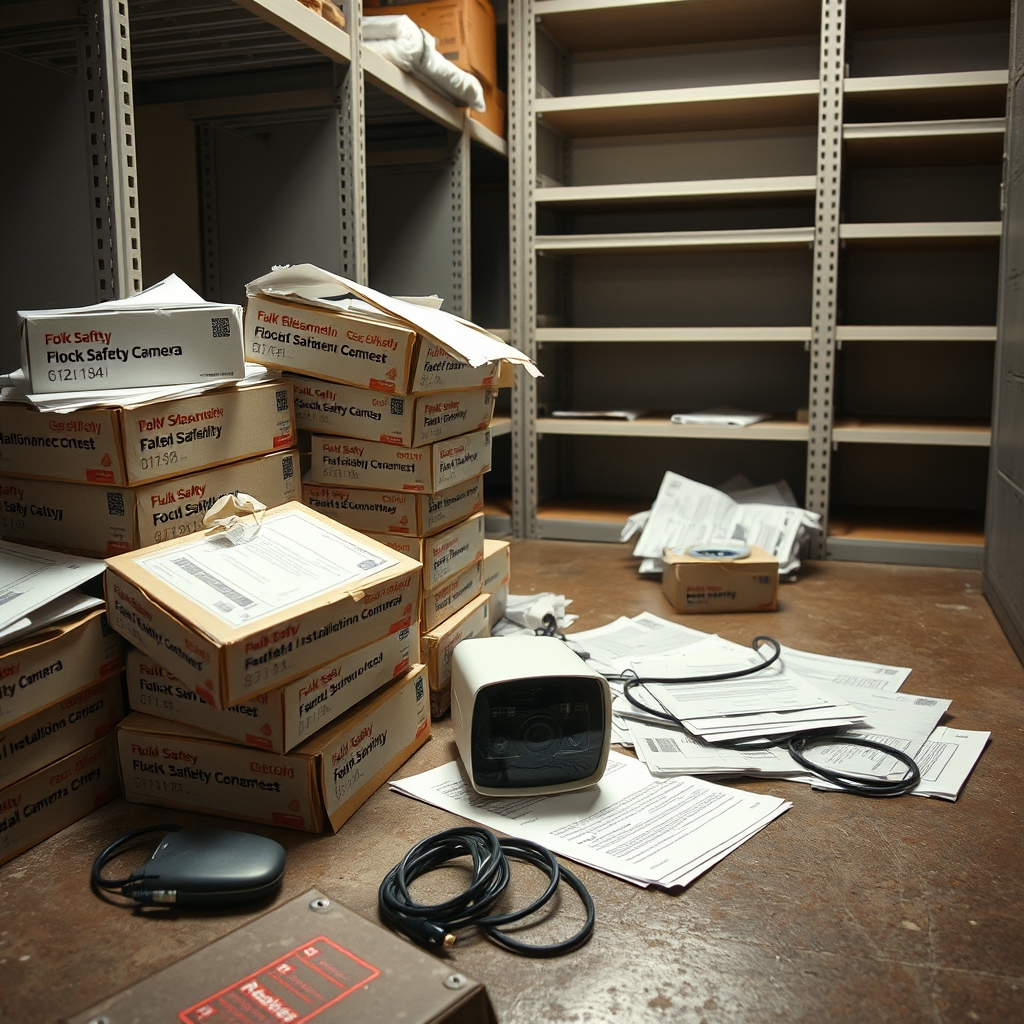
More than 55 US cities have rejected the use of Flock Safety cameras, citing concerns over warrantless surveillance and the potential for federal access to locally collected records, as reported by the American Civil Liberties Union. This development comes as a significant blow to the company, which has been marketing its cameras as a tool for law enforcement to track and solve crimes. However, critics argue that the cameras create a form of mass surveillance that records the ordinary law-abiding motorists who are going about their day, raising concerns over how much tracking is acceptable and whether using the cameras amounts to a warrantless search.
The rejection of Flock Safety cameras by these cities is a testament to the growing concern over surveillance and privacy in the US. As noted in a recent editorial, privacy advocates argue that building long-term databases showing where people travel raises serious Fourth Amendment questions, particularly as courts have become increasingly skeptical of warrantless collection of detailed location information. This concern is not limited to Flock Safety cameras, as evidenced by the Pennsylvania Supreme Court's unanimous ruling that warrantless searches of land marked as private violate the state's constitution.
The issue of surveillance and privacy is complex and multifaceted, involving not only the use of cameras but also the collection and sharing of data. As reported in a recent NewsAnarchist article, the Department of Justice has charged 11 individuals in a $1 billion fraud scheme, highlighting the need for robust surveillance and data collection measures to prevent and investigate crimes. However, this must be balanced against the need to protect individual privacy and prevent warrantless surveillance, as noted by critics of the Flock Safety cameras.
In related news, Flock Safety has ended its audio surveillance pilot after backlash from the Electronic Frontier Foundation, highlighting the ongoing debate over the use of surveillance technology and the need for transparency and accountability. Furthermore, the release of declassified CIA files by the Trump administration has raised questions about the extent of government surveillance and the potential for abuse of power. As the use of surveillance technology continues to evolve, it is essential to consider the implications for individual privacy and the potential for mass surveillance, as noted by critics of the Flock Safety cameras.
As I reflect on the recent news that 55 US cities have rejected Flock Safety Cameras, I firmly believe that this trend is a step in the right direction. My thesis is that the widespread rejection of these cameras is a victory for individual privacy and a blow to the growing surveillance state. If nothing changes, it's clear that corporations like Flock Safety and law enforcement agencies will be the ones to lose, as their ability to collect and profit from citizen data is curtailed. Conversely, the true winners will be the citizens themselves, who will retain a measure of autonomy and freedom from unwarranted monitoring.
Cross-reference independently — do not take our word for it.
This article is produced by NewsAnarchist's AI reporting system, not a human staff reporter. It's built from the primary source cited above (a FOIA release, an agency's own policy or procurement document, court filings from surveillance litigation, or the wire reporting linked in the body) and reports what that source states, attributed to it — it does not allege intent behind a surveillance program beyond what the record shows. Part of our Surveillance State hub. Found an error? Tell us.